Cav3.2 Antibody, Clone N55/10: ATTO 390
Product Sizes
100 ug
SMC-303D-A390-100UG
About this Product
- SKU:
- SMC-303D-A390
- Additional Names:
- Voltage-dependent T-type calcium channel subunit alpha-1H, Voltage-gated calcium channel subunit alpha Cav3.2, CACNA1H, KIAA1120, Cav3.2, CACNA1HB, calcium channel, voltage-dependent, T type, alpha 1H subunit, alpha 1Hb subunit, ECA6, EIG6, FLJ90484, Low-voltage-activated calcium channel alpha1 3.2 subunit, low-voltage-activated calcium channel alpha13.2 subunit, voltage dependent t-type calcium channel alpha-1H subunit, voltage-dependent T-type calcium channel subunit alpha-1H, voltage-gated calcium channel alpha subunit Cav3.2, voltage-gated calcium channel alpha subunit CavT.2
- Application:
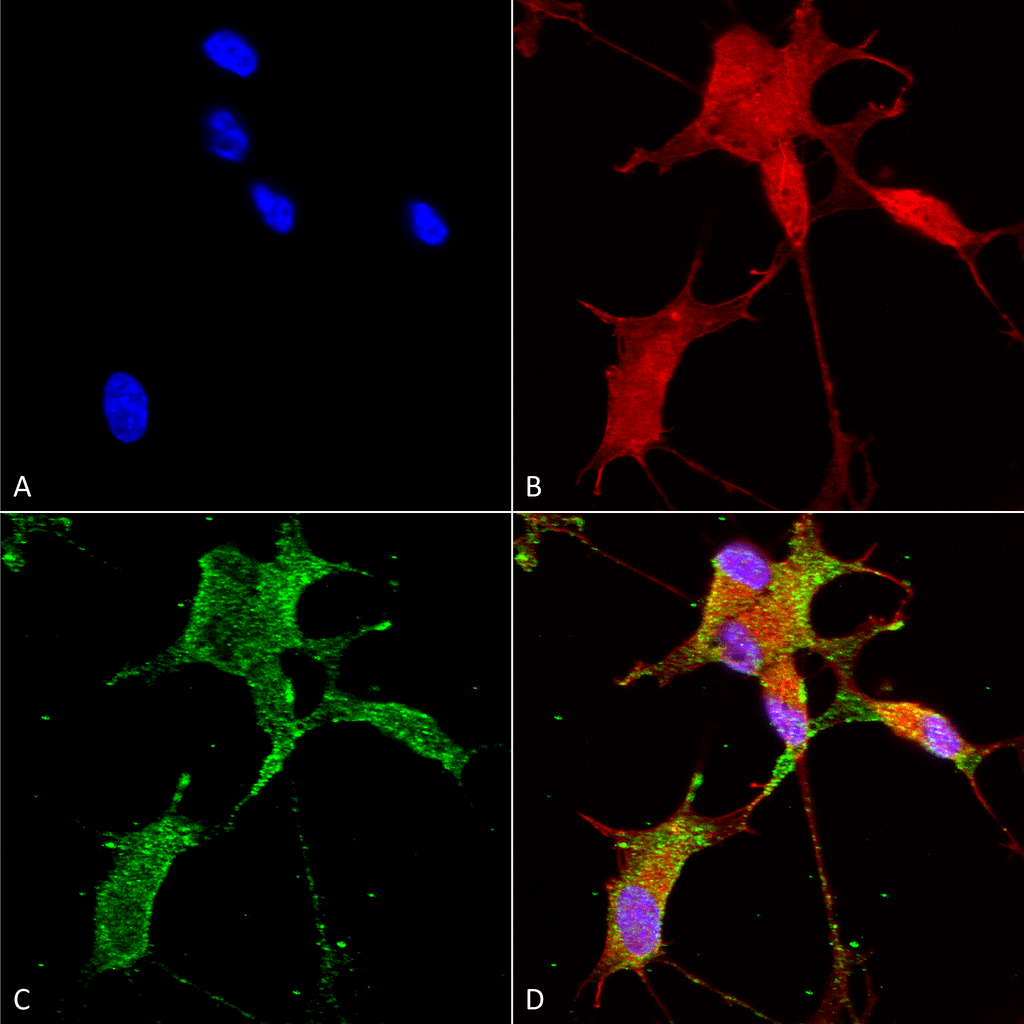
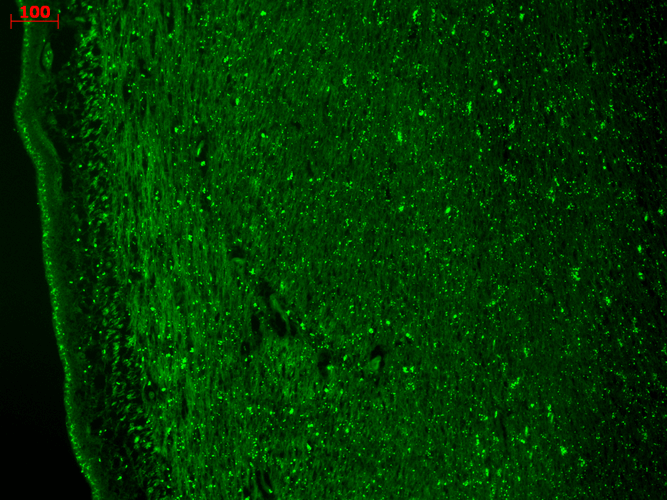
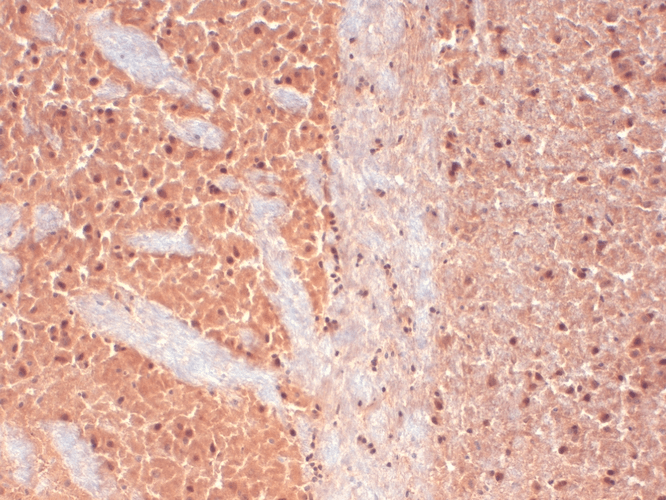
- Antibody Microarray, Immunocytochemistry, Immunofluorescence, Immunohistochemistry, Immunoprecipitation, Western Blot
- Buffer:
- 640.91mM DMSO, 136.36 mM Ethanolamine, 126.89 mM chlorides, 9.09mM phosphates, 9.09mM NaHCO3
- CE/IVD:
- RUO
- translate.label.attr.clone:
- N55/10 (Formerly sold as S55-10)
- Clonality:
- Monoclonal
- Conjugate:
- ATTO 390
- Concentration:
- 1 mg/ml
- Extra Details:
- Cav3.2, encoded by the CACNA1H gene, is a low-voltage-activated T-type calcium channel that plays a critical role in regulating neuronal excitability, rhythmic firing, and calcium homeostasis. It is widely expressed in the brain and peripheral tissues, where it contributes to burst firing in thalamic neurons and modulates sensory signal transmission. Genetic studies have linked mutations in CACNA1H to childhood absence epilepsy, highlighting Cav3.2's role in thalamocortical oscillations and seizure susceptibility. Beyond epilepsy, dysregulation of Cav3.2 expression and function has been associated with broader neurological and neurodegenerative conditions, including neuropathic pain, Parkinson's disease, and Alzheimer's disease. Its involvement in calcium dysregulation-a hallmark of neurodegeneration-positions Cav3.2 as a potential therapeutic target for modulating neuronal survival and excitability. Interestingly, Cav3.2 is also implicated in non-neuronal pathologies, such as prostate cancer progression, where its upregulation may support androgen-independent tumor growth. This underscores the channel's broader physiological relevance and potential as a drug target across multiple disease domains. Despite its clinical significance, many aspects of Cav3.2's in vivo function, regulatory mechanisms, and disease-specific roles remain under investigation. Advancing our understanding of Cav3.2 could open new avenues for targeted therapies in epilepsy, neurodegeneration, and beyond.
- Host:
- Mouse
- Immunogen:
- Fusion protein amino acids 1019-1293 (II-III loop) of human Cav3.2
- Isotype:
- IgG1
- Purification:
- Protein G Purified
- Reactivities:
- Human, Mouse, Rat
- Shipping Conditions:
- Blue Ice
- Specificity:
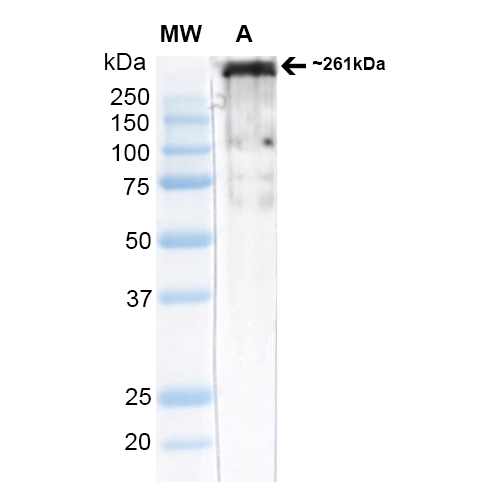
- Detects ~260kDa. No cross-reactivity against Cav1.3.
- Storage Conditions:
- See Manual
- Supplier:
- StressMarq Biosciences
- Type:
- Antibody: Monoclonal Antibody