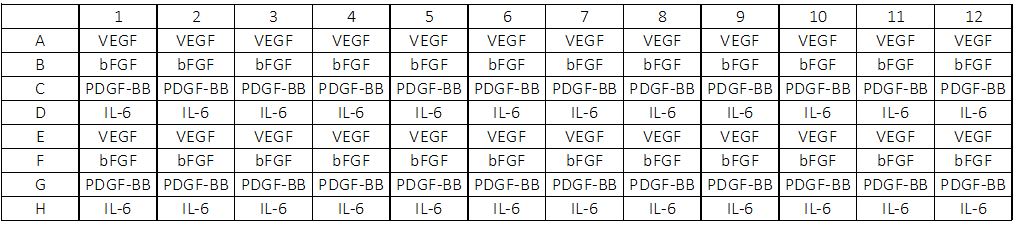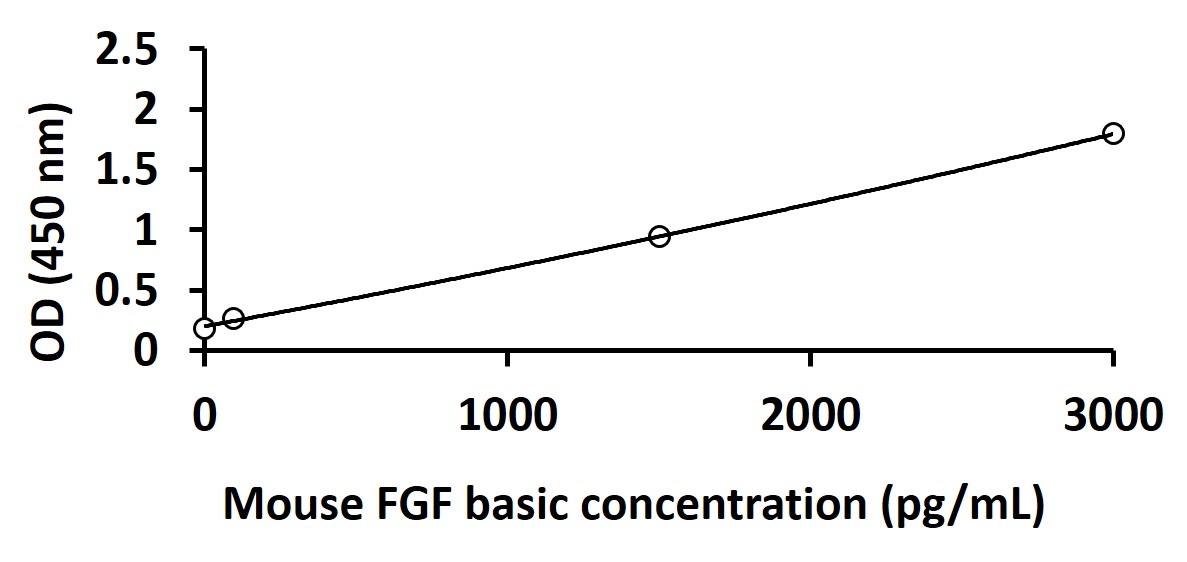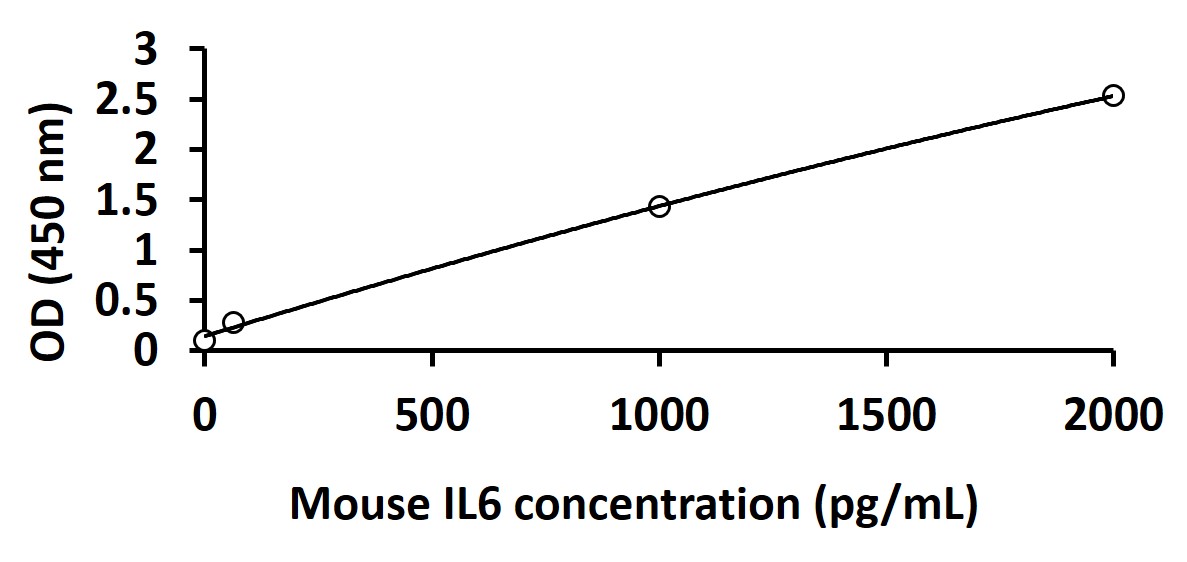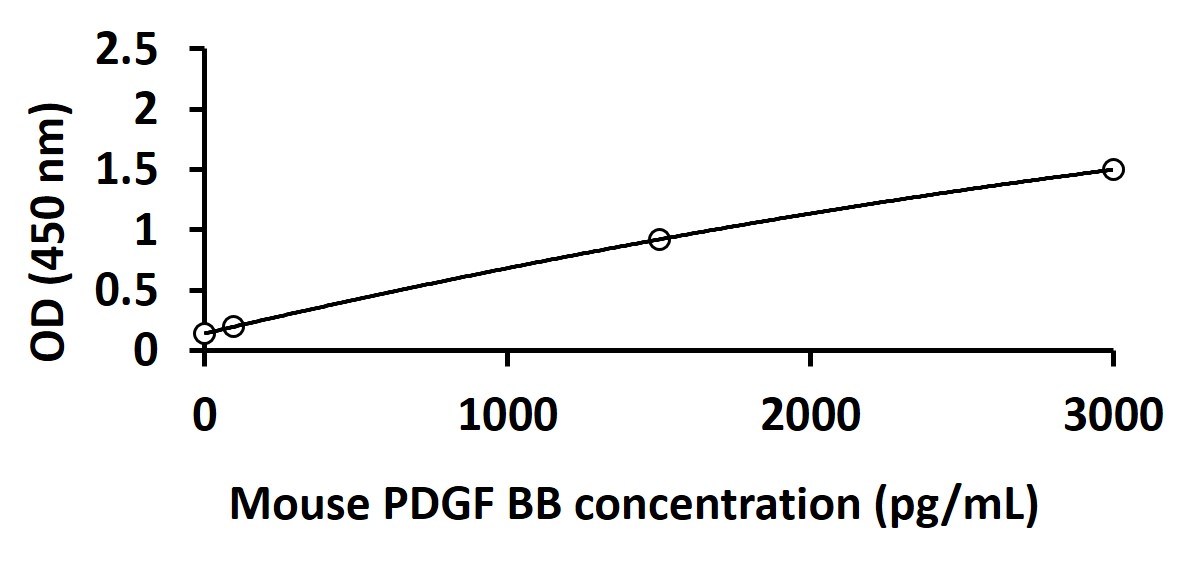
arigoPLEX[R] Mouse Angiogenic Marker Multiplex ELISA kit (VEGF, FGF basic, PDGF BB, IL6)
Product Sizes
96 wells
ARG83471-96WELLS
About this Product
- SKU:
- ARG83471
- Additional Names:
- VEGF: VEGFA, Vascular Endothelial Growth Factor A, VP, VEGF-A, VEGF, Vascular Permeability Factor, Vascular Endothelial Growth Factor A121, Vascular Endothelial Growth Factor A165, Vascular Endothelial Growth Factor, MVCD1FGF basic: FGF-2; Fibroblast growth factor 2; bFGF; FGFB; Heparin-binding growth factor 2; BFGF; HBGF-2; Basic fibroblast growth factorPDGF BB: SIS; Becaplermin; Platelet-derived growth factor subunit B; IBGC5; PDGF subunit B; c-sis; SSV; PDGF-2; Proto-oncogene c-Sis; Platelet-derived growth factor beta polypeptide; PDGF2; Platelet-derived growth factor B chainIIL6: B-cell stimulatory factor 2; CDF; HSF; BSF-2; Interferon beta-2; IL-6; IFNB2; CTL differentiation factor; Interleukin-6; HGF; Hybridoma growth factor; BSF2; IFN-beta-2
- Application:
- ELISA
- CE/IVD:
- RUO
- Conjugate:
- HRP
- Extra Details:
- VEGF:This gene is a member of the PDGF/VEGF growth factor family. It encodes a heparin-binding protein, which exists as a disulfide-linked homodimer. This growth factor induces proliferation and migration of vascular endothelial cells, and is essential for both physiological and pathological angiogenesis. Disruption of this gene in mice resulted in abnormal embryonic blood vessel formation. This gene is upregulated in many known tumors and its expression is correlated with tumor stage and progression. Elevated levels of this protein are found in patients with POEMS syndrome, also known as Crow-Fukase syndrome. Allelic variants of this gene have been associated with microvascular complications of diabetes 1 (MVCD1) and atherosclerosis. Alternatively spliced transcript variants encoding different isoforms have been described. There is also evidence for alternative translation initiation from upstream non-AUG (CUG) codons resulting in additional isoforms. A recent study showed that a C-terminally extended isoform is produced by use of an alternative in-frame translation termination codon via a stop codon readthrough mechanism, and that this isoform is antiangiogenic. Expression of some isoforms derived from the AUG start codon is regulated by a small upstream open reading frame, which is located within an internal ribosome entry site. The levels of VEGF are increased during infection with severe acute respiratory syndrome coronavirus 2 (SARS-CoV-2), thus promoting inflammation by facilitating recruitment of inflammatory cells, and by increasing the level of angiopoietin II (Ang II), one of two products of the SARS-CoV-2 binding target, angiotensin-converting enzyme 2 (ACE2). In turn, Ang II facilitates the elevation of VEGF, thus forming a vicious cycle in the release of inflammatory cytokines. [provided by RefSeq, Jun 2020]FGF basic:The protein encoded by this gene is a member of the fibroblast growth factor (FGF) family. FGF family members bind heparin and possess broad mitogenic and angiogenic activities. This protein has been implicated in diverse biological processes, such as limb and nervous system development, wound healing, and tumor growth. The mRNA for this gene contains multiple polyadenylation sites, and is alternatively translated from non-AUG (CUG) and AUG initiation codons, resulting in five different isoforms with distinct properties. The CUG-initiated isoforms are localized in the nucleus and are responsible for the intracrine effect, whereas, the AUG-initiated form is mostly cytosolic and is responsible for the paracrine and autocrine effects of this FGF. [provided by RefSeq, Jul 2008]PDGF BB:This gene encodes a member of the protein family comprised of both platelet-derived growth factors (PDGF) and vascular endothelial growth factors (VEGF). The encoded preproprotein is proteolytically processed to generate platelet-derived growth factor subunit B, which can homodimerize, or alternatively, heterodimerize with the related platelet-derived growth factor subunit A. These proteins bind and activate PDGF receptor tyrosine kinases, which play a role in a wide range of developmental processes. Mutations in this gene are associated with meningioma. Reciprocal translocations between chromosomes 22 and 17, at sites where this gene and that for collagen type 1, alpha 1 are located, are associated with dermatofibrosarcoma protuberans, a rare skin tumor. Alternative splicing results in multiple transcript variants. [provided by RefSeq, Oct 2015]IL6:This gene encodes a cytokine that functions in inflammation and the maturation of B cells. In addition, the encoded protein has been shown to be an endogenous pyrogen capable of inducing fever in people with autoimmune diseases or infections. The protein is primarily produced at sites of acute and chronic inflammation, where it is secreted into the serum and induces a transcriptional inflammatory response through interleukin 6 receptor, alpha. The functioning of this gene is implicated in a wide variety of inflammation-associated disease states, including suspectibility to diabetes mellitus and systemic juvenile rheumatoid arthritis. Elevated levels of the encoded protein have been found in virus infections, including COVID-19 (disease caused by SARS-CoV-2). [provided by RefSeq, Aug 2020]
- Immunogen:
- Angiogenic
- Physical State:
- Cell Culture Supernatant, Plasma, Serum
- Reactivities:
- Mouse
- Sensitivity:
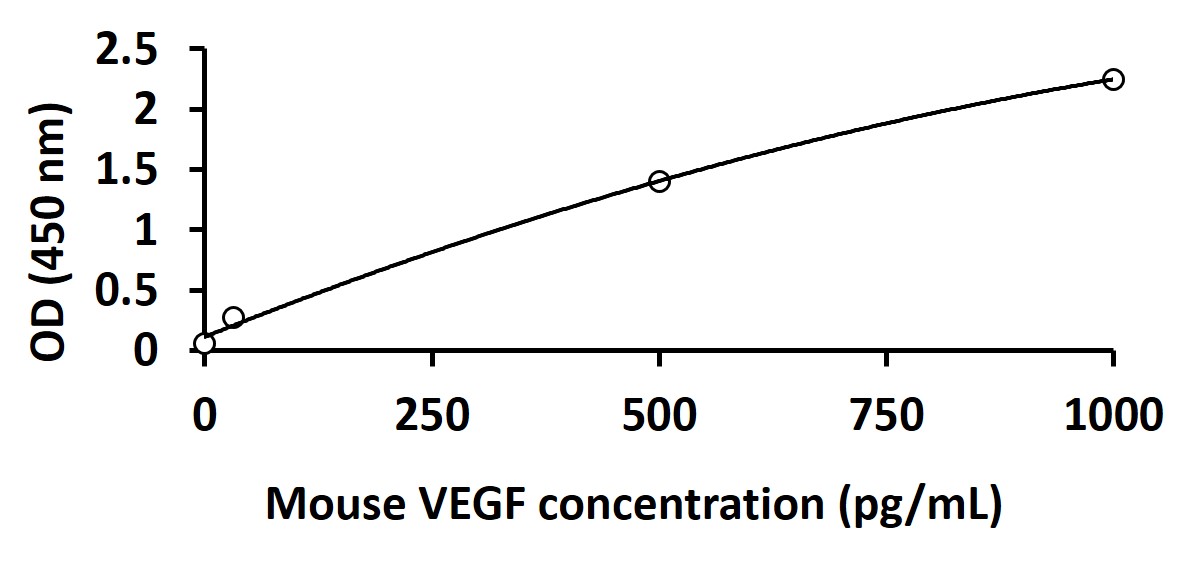
- VEGF: 31.25 pg/mlFGF basic: 93.75 pg/mlPDGF BB: 93.75 pg/mlIL6: 62.5 pg/ml
- Shipping Conditions:
- Blue Ice
- Storage Conditions:
- 2-8[o]C, -20[o]C
- Supplier:
- Arigo Biolaboratories
- Type:
- Assay Kits: ELISAs
- Manufacturer's Data Sheet:ARG83471.html