Components for Kit Manufacturers
Modern life science diagnostic and research kits—such as ELISA, lateral flow immunoassays, and next‑generation sequencing (NGS) workflows—are built from a common set of functional component classes. These include the solid support or device architecture, biologically active reagents that confer specificity and signal, buffers and stabilisers that maintain performance, controls and calibrators that enable interpretation, and ancillary consumables that support handling and workflow.
Although the exact composition varies by technology and application, most kits can be described in terms of a small number of recurring building blocks that determine sensitivity, robustness, cost, and regulatory profile.
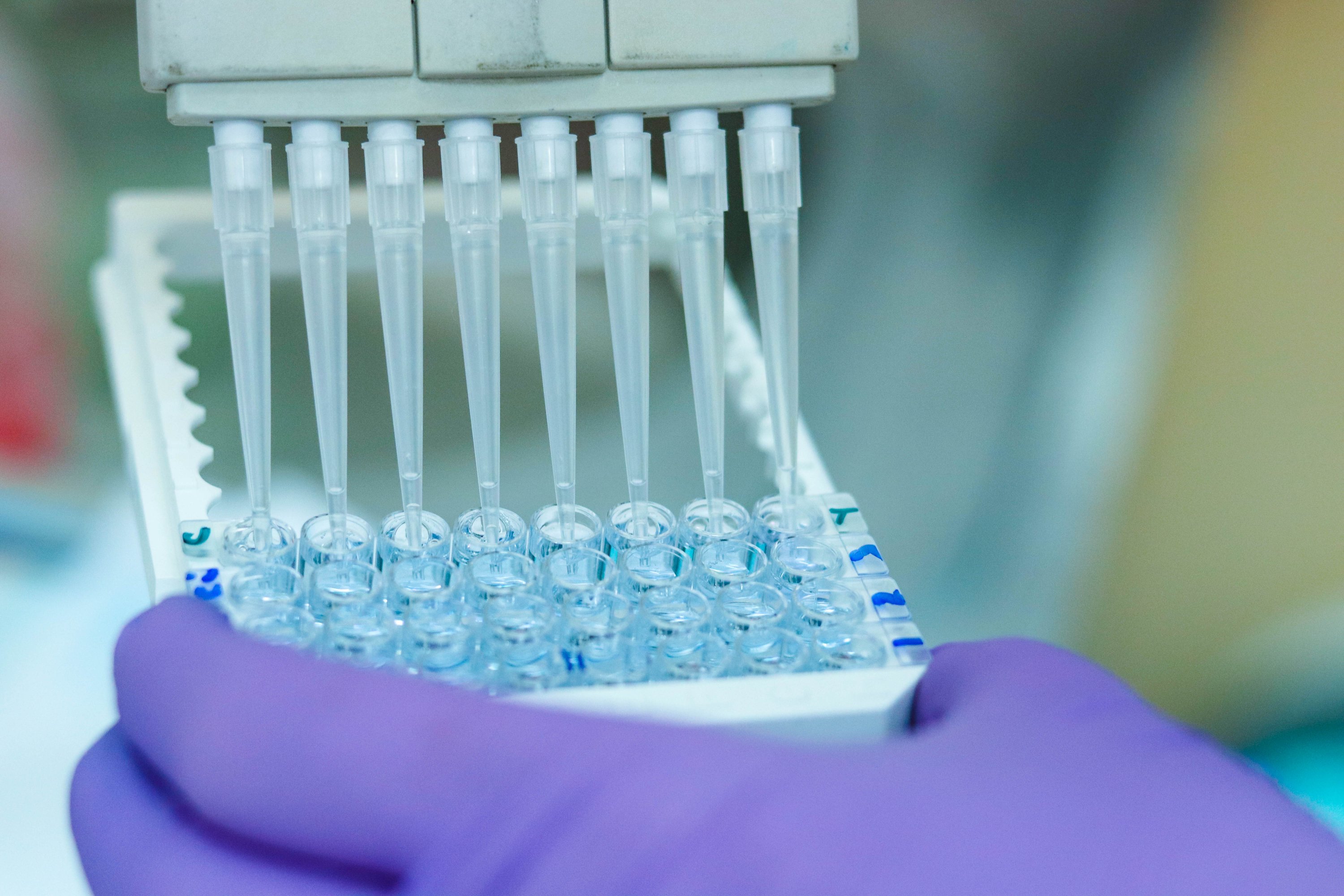
The basic component parts can be generally classed under the following areas:
Solid Support and Device Architecture
This is the physical platform that organises the assay and enables sample handling and signal readout.
- Microplates and strips - Streptavidin coated plates
- Lateral Flow components
- Beads and magnetic supports
Biological and Biochemical Reagents
These components provide the assay’s specificity and signal generation.
- Antibodies and antigens – Validated Matched Antibody Pairs, Antigens, Exre TBD
- Enzymes and conjugates – Active Human Proteins, Conjugates
- Nucleic acid reagents – Gel Ladders
Buffers, Substrates and Stabilisers
These aqueous and non‑aqueous formulations control pH, ionic strength, viscosity, and stability throughout the assay. Buffer composition strongly influences sensitivity, dynamic range, and robustness across sample types.