SPR-405
Beta Synuclein Monomers

Cannot supply to this region.
- SKU:
- SPR-405
- Additional Names:
- Beta-synuclein, Synuclein beta, SNCB, SYUB_HUMAN, PNP14, Phosphoneuroprotein 14, 14 kDa brain-specific, G Protein Beta1/Gamma2 Subunit-Interacting Factor 1
- Application:
- SDS-PAGE, WB, FuncS
- Concentration:
- 2 mg/ml
- Molecular Weight:
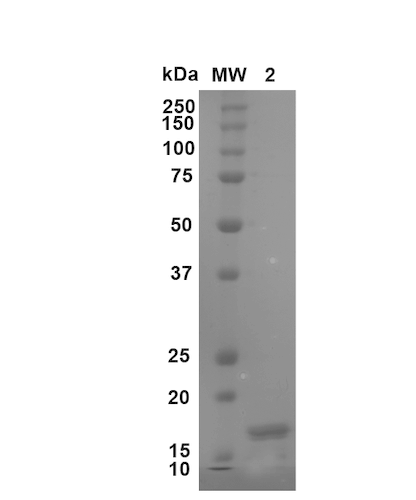
- 14.28 kDa
- Purity:
- >95%
- Purification:
- Ion Exchange
- Storage Conditions:
- -70[o]C
- Supplier:
- StressMarq Biosciences
- ABP:
- No Import Docs
- Buffer:
- PBS
- Immunogen:
- Beta Synuclein Monomers
- Species:
- Human
- Uniprot:
- Q16143
- Synonyms:
- beta-synuclein;I(2)-synuclein
- Extra Details:
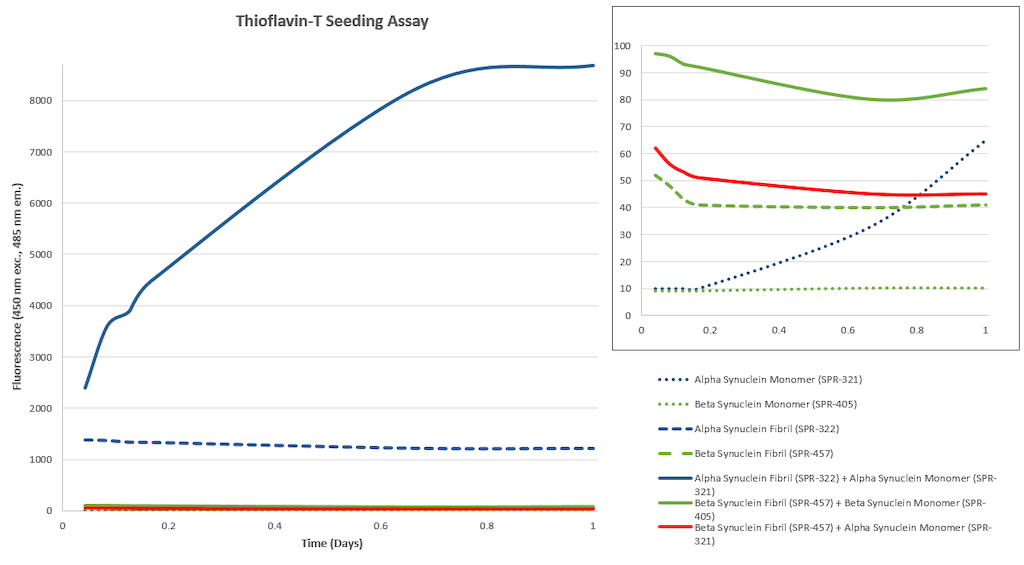
- Beta-synuclein, a soluble neuronal protein encoded by the SNCB gene, is increasingly recognized for its pivotal role in neurodegenerative disease research. Unlike its aggregation-prone counterpart alpha-synuclein, beta-synuclein monomers exhibit neuroprotective properties and are less likely to form toxic fibrils. Recent studies highlight beta-synuclein's involvement in synaptic plasticity, regulation of dopamine metabolism, and inhibition of neuronal apoptosis. [www.uniprot.org] In Alzheimer's disease (AD) and Lewy body dementia (LBD), elevated beta-synuclein levels in cerebrospinal fluid (CSF) and serum correlate with synaptic degeneration and disease progression. Novel assays targeting distinct epitopes of beta-synuclein have demonstrated its diagnostic potential, distinguishing early-stage AD from mild cognitive impairment and dementia. Furthermore, beta-synuclein's dynamic expression across disease stages positions it as a promising biomarker for staging and monitoring neurodegeneration. [jnnp.bmj.com] Mechanistically, beta-synuclein modulates the phase behavior of alpha-synuclein, delaying its transition into neurotoxic aggregates. This regulatory function suggests a protective role in maintaining synaptic integrity and preventing pathological protein aggregation. [jnnp.bmj.com] As research advances, beta-synuclein monomers are emerging not only as biomarkers but also as potential therapeutic targets. Their unique biochemical properties and disease-specific expression patterns underscore their relevance in precision medicine approaches for neurodegenerative disorders.
- Shipping Conditions:
- Dry Ice