SPC-668
Rubicon Antibody

Cannot supply to this region.
- SKU:
- SPC-668
- Additional Names:
- Run domain Beclin-1-interacting and cysteine-rich domain-containing protein, KIAA0226, Rubicon, Baron, RUBCN, Beclin-1 associated RUN domain containing protein
- Application:
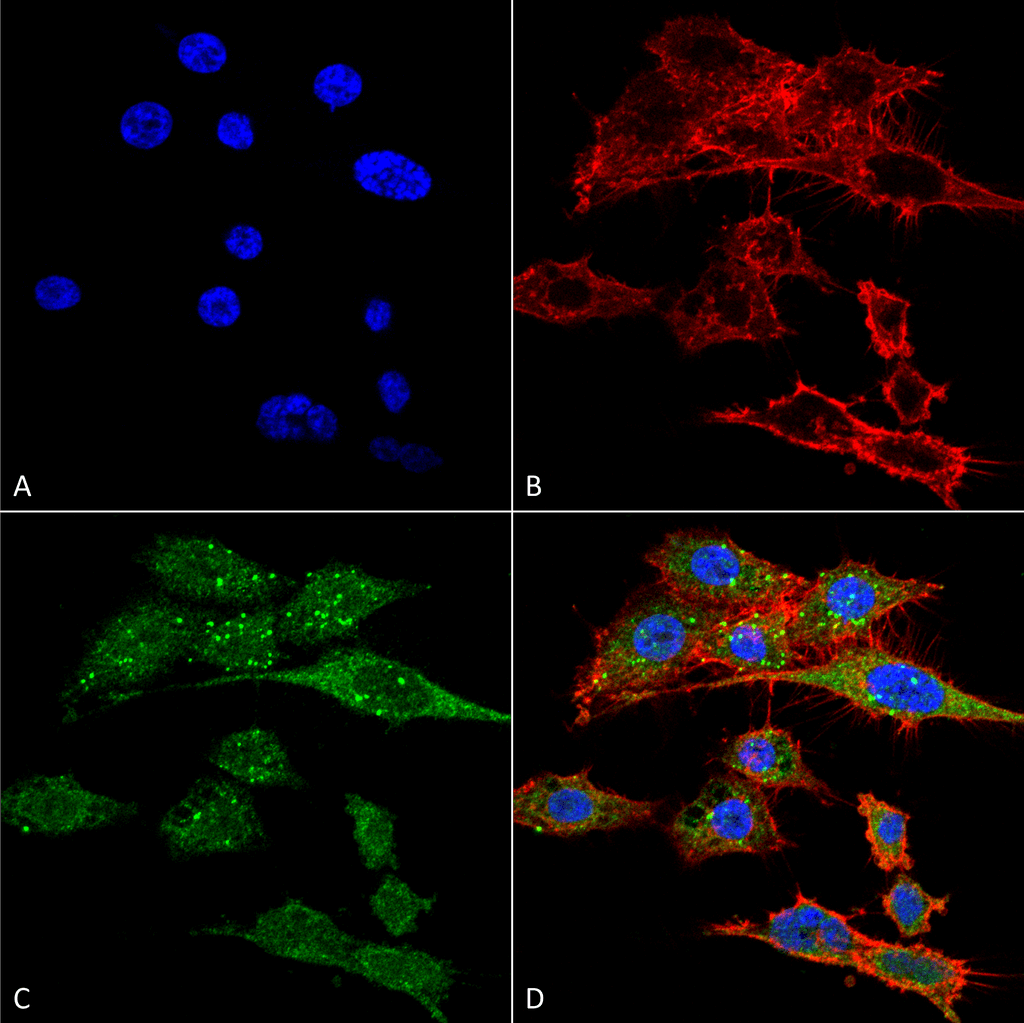
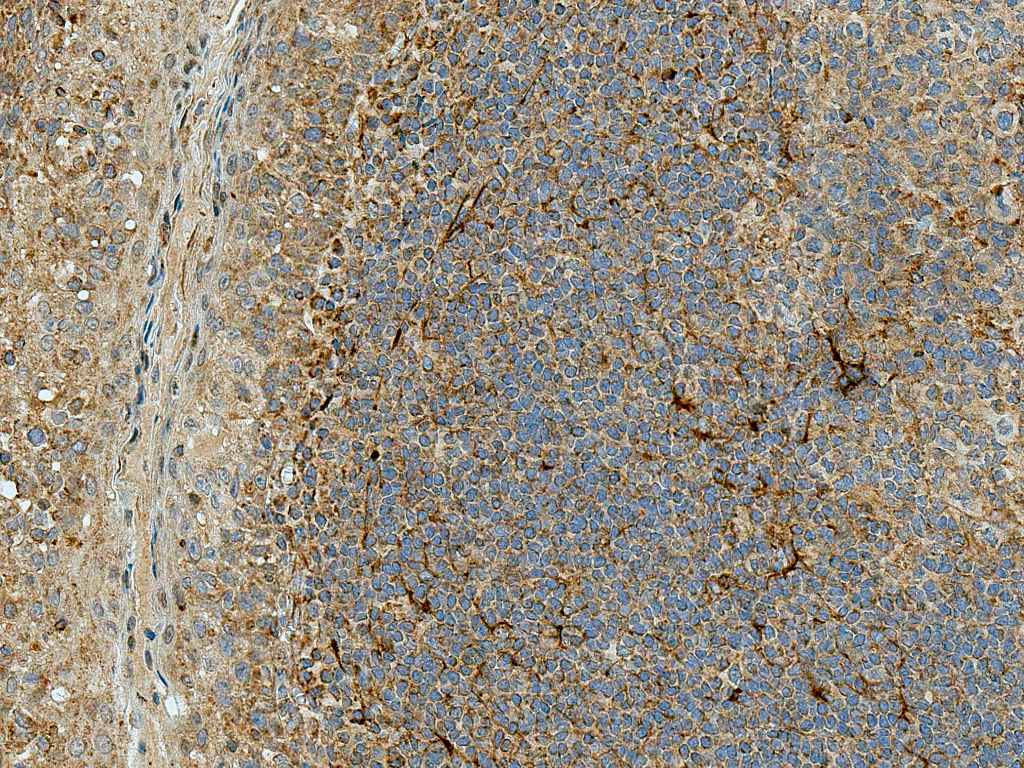
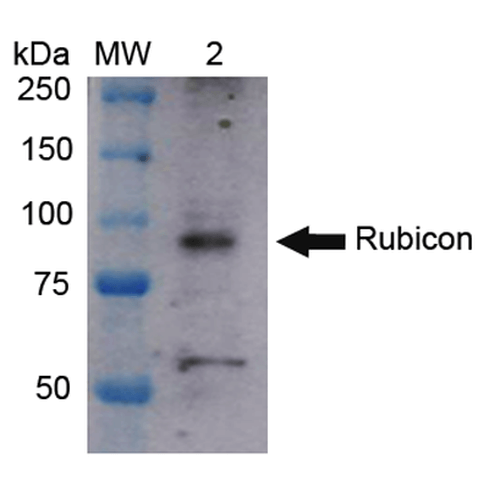
- IHC, WB, IF, ICC
- Concentration:
- 1 mg/ml
- Species Reactivity:
- Human
- Purification:
- Affinity Purified
- Storage Conditions:
- -20[o]C
- Supplier:
- StressMarq Biosciences
- Host:
- Rabbit
- Reactivities:
- Human
- ABP:
- IMP-GEN-2015-06 < 10% Serum <100ml
- Buffer:
- PBS, 50% glycerol, 0.09% sodium azide
- Immunogen:
- Synthetic peptide from the N-terminal of Human Rubicon
- Uniprot:
- Q92622
- Synonyms:
- baron;beclin-1 associated RUN domain containing protein;KIAA0226;RUBICON;RUN and cysteine rich domain containing beclin 1 interacting protein;RUN domain and cysteine-rich domain containing, Beclin 1-interacting protein;run domain Beclin-1-interacting and cysteine-rich domain-containing protein;rundataxin;SCAR15
- Extra Details:
- Rubicon (RUN domain Beclin-1-interacting and cysteine-rich-containing protein) is a negative regulator of autophagy, a cellular degradation pathway essential for maintaining neuronal homeostasis. As neurons are particularly vulnerable to the accumulation of damaged proteins and organelles, dysregulation of autophagy is a hallmark of many neurodegenerative diseases, including Alzheimer's, Parkinson's, and ALS. Rubicon inhibits autophagosome maturation by interacting with components of the PI3K complex and RAB7A, thereby blocking lysosomal fusion. In the aging brain, elevated Rubicon levels have been associated with impaired autophagic flux and increased vulnerability to proteotoxic stress 1. Notably, Rubicon expression is upregulated in Alzheimer's disease, where it contributes to amyloid precursor protein (APP) and amyloid-B Beta (AB Beta) accumulation. Neuronal overexpression of Rubicon suppresses AB Beta clearance, while its knockdown enhances autophagic degradation and reduces extracellular AB Beta deposition (1). Recent findings also highlight Rubicon's role in mitophagy regulation. Phosphorylation of RAB7A at Ser72 disrupts its interaction with Rubicon, relieving autophagy inhibition and promoting mitochondrial quality control 2. This phospho-switch mechanism underscores Rubicon's dynamic regulation in response to cellular stress. Given its central role in autophagy suppression and protein aggregation, Rubicon is a promising therapeutic target. Strategies aimed at modulating Rubicon expression or disrupting its inhibitory interactions may restore autophagic balance and mitigate neurodegenerative progression.
- Shipping Conditions:
- Blue Ice