SPC-646
ATG9B Antibody

Cannot supply to this region.
- SKU:
- SPC-646
- Additional Names:
- ATG9B, ATG9B_HUMAN, APG9L2, APG9-like 2, Autophagy-related protein 9B, Protein sONE, NOS3AS, Nitric oxide synthase 3-overlapping antisense gene protein
- Application:
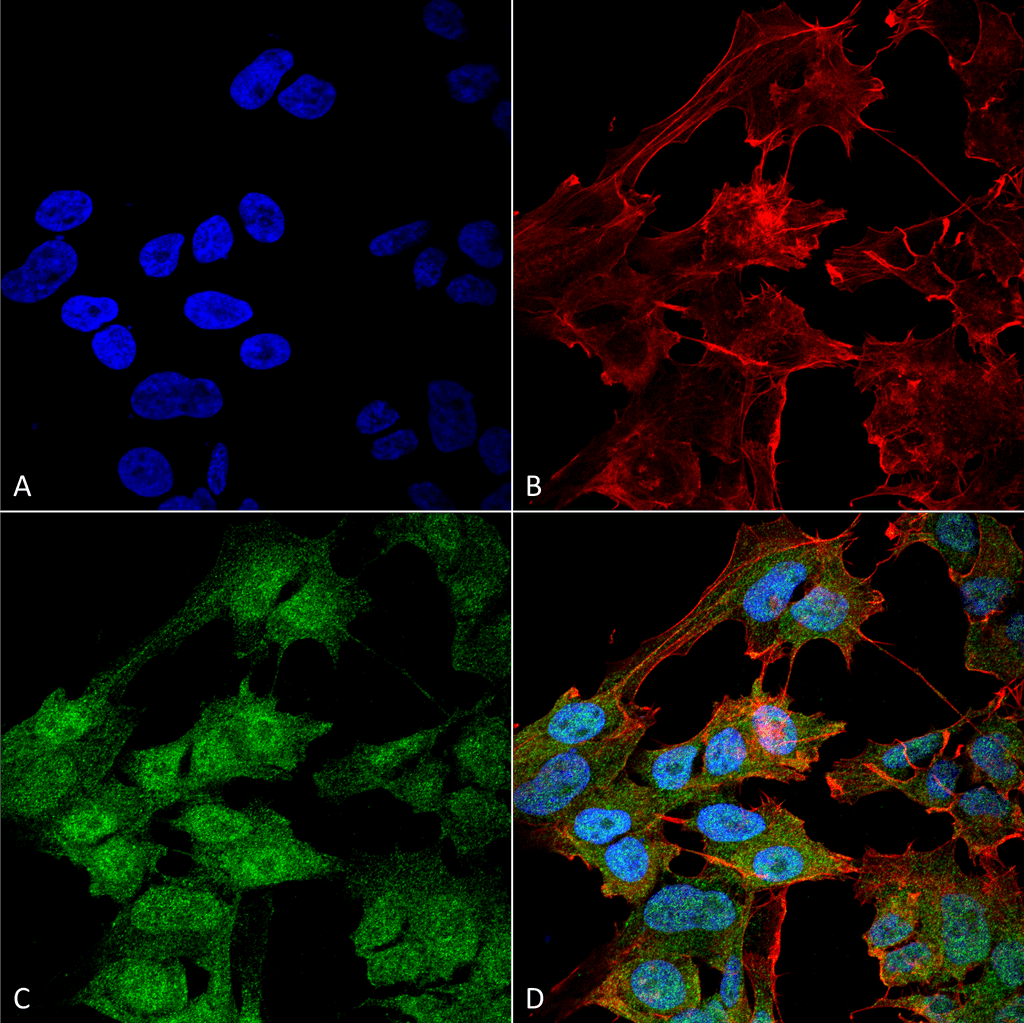
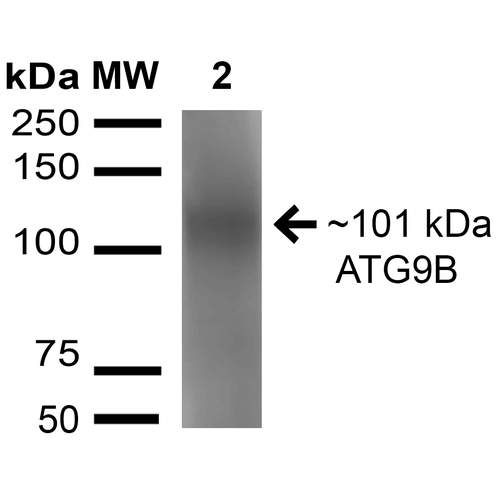
- WB, IF, ICC
- Concentration:
- 1 mg/ml
- Species Reactivity:
- Human
- Purification:
- Affinity Purified
- Storage Conditions:
- -20[o]C
- Supplier:
- StressMarq Biosciences
- Host:
- Rabbit
- Reactivities:
- Human, Rat
- ABP:
- IMP-GEN-2015-06 < 10% Serum <100ml
- Buffer:
- PBS, 50% glycerol, 0.09% sodium azide
- Immunogen:
- Synthetic peptide from the N-terminal of Human ATG9B (aa. 110-121)
- Uniprot:
- Q674R7
- Synonyms:
- APG9-like 2;APG9L2;ATG9 autophagy related 9 homolog B;autophagy 9-like 2 protein;autophagy-related protein 9B;endothelial nitric oxide synthase antisense;nitric oxide synthase 3-overlapping antisense gene protein;NOS3AS;SONE
- Extra Details:
- ATG9B is a transmembrane protein essential for autophagy, a cellular degradation pathway critical for maintaining neuronal health. It plays a central role in the formation of cytoplasm-to-vacuole transport (Cvt) vesicles and the organization of the preautophagosomal structure (PAS), the nucleation site for autophagosome biogenesis. By regulating membrane trafficking to the phagophore assembly site, ATG9B ensures the proper initiation and progression of autophagy. In the context of neuroscience, ATG9B is gaining attention for its potential role in neurodegenerative disease mechanisms. Autophagy dysfunction is a hallmark of disorders such as Alzheimer's, Parkinson's, and Huntington's disease, where impaired clearance of protein aggregates and damaged organelles contributes to neuronal loss. ATG9B's involvement in early autophagosome formation positions it as a critical factor in maintaining neuronal proteostasis and synaptic integrity. Although ATG9B is highly expressed in the placenta and pituitary gland, its functional relevance in the central nervous system is increasingly recognized. Emerging studies suggest that modulating ATG9B activity could enhance autophagic flux and mitigate neurodegenerative pathology. Given its upstream role in autophagy and potential impact on neuronal survival, ATG9B represents a promising target for therapeutic intervention in neurodegenerative diseases. Ongoing research aims to elucidate its regulatory mechanisms and interactions within neural tissue.
- Shipping Conditions:
- Blue Ice