SPC-406D-APC
UT-A1 Antibody: APC

Cannot supply to this region.
- SKU:
- SPC-406D-APC
- Additional Names:
- UT-A1, UT-A2, UT1, UT2, UTA, UTA1, UT2_HUMAN, UT2, UTR, SLC14A2, Slc14a2, Solute carrier family 14 member 2, Solute carrier family 14 (urea transporter) member 2, Urea transporter, Urea transporter 2, Urea transporter kidney, HUT2, hUT-A6, FLJ16167, MGC119566, MGC119567, kidney
- Application:
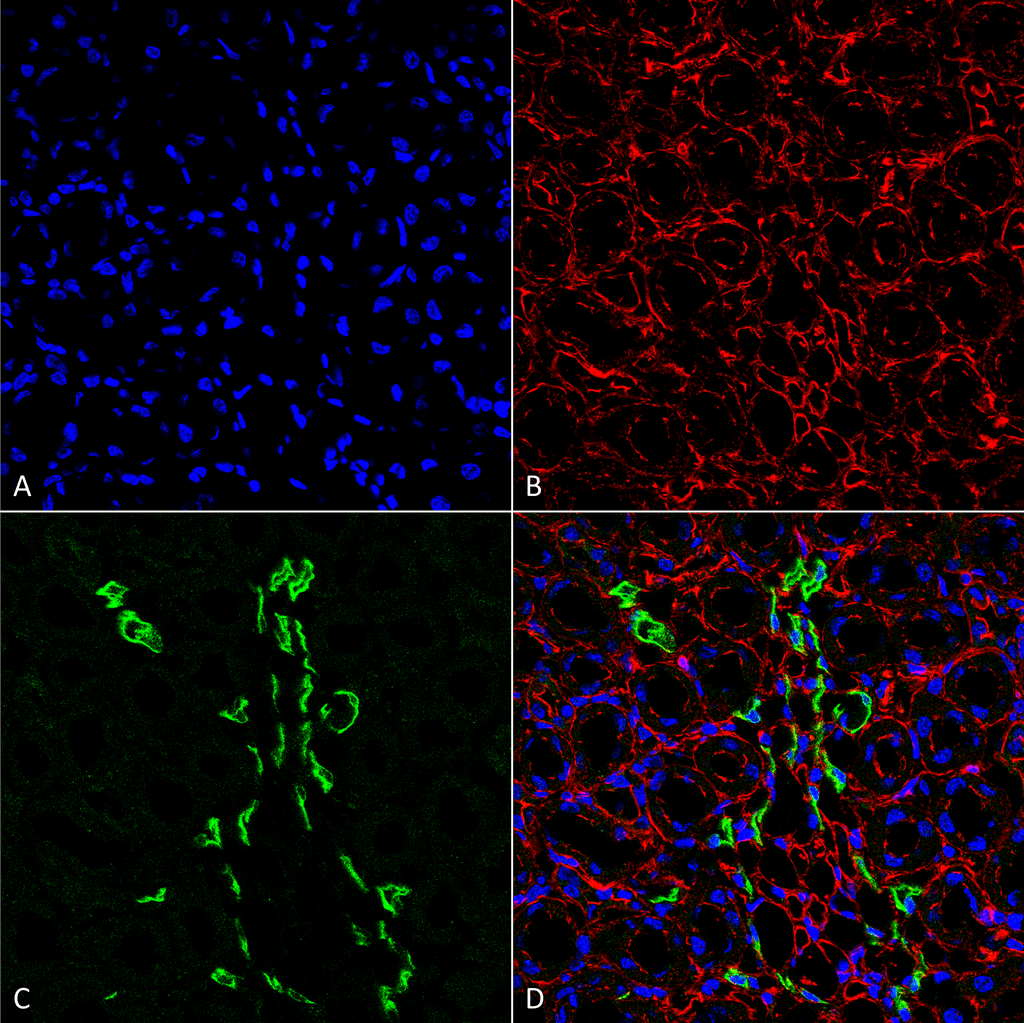
- IHC, WB, IF, ICC
- Concentration:
- 1 mg/ml
- Species Reactivity:
- Rat
- Purification:
- Affinity Purified
- Storage Conditions:
- See Manual
- Supplier:
- StressMarq Biosciences
- Host:
- Rabbit
- Reactivities:
- Mouse, Rat
- ABP:
- IMP-GEN-2015-06 < 10% Serum <100ml
- Buffer:
- 95.46mM Phosphate, 2.48mM MES and 2mM EDTA
- Immunogen:
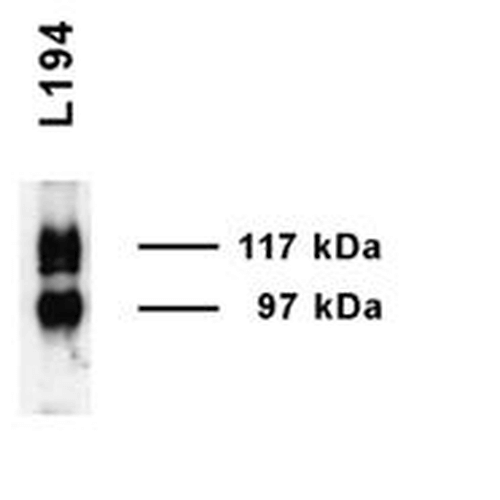
- Produced against a synthetic peptide mapped to the C-terminal tail (amino acids 911-929) of rat UT-A1 (antibody designation L194)
- Uniprot:
- Q62668
- Synonyms:
- plasma membrane urea transporter;Slc14a2_v4;Slc14a2T;solute carrier family 14 (urea transporter), member 2, variant 4;solute carrier family 14 (urea transporter), member 2T;Solute carrier family 14 member 2;testName;testSymbol;urea transport protein;urea transporter 2;urea transporter UT-A2c;urea transporter UT-A2d;urea transporter, kidney;UrT1-C;UrT1-D
- Extra Details:
- UT-A1 (Urea Transporter A1), encoded by the SLC14A2 gene, is a membrane-bound protein primarily expressed in the kidney, where it plays a critical role in urea reabsorption and osmoregulation. While traditionally studied in renal physiology, emerging interest in systemic metabolic regulation and brain-kidney axis signaling has prompted investigation into UT-A1's potential roles beyond the kidney. Recent studies suggest that altered urea metabolism and systemic nitrogen imbalance may contribute to neuroinflammatory and neurodegenerative processes. Elevated brain urea levels have been observed in disorders such as Alzheimer's disease and Huntington's disease, implicating dysregulated urea handling in neuronal dysfunction. Although UT-A1 expression in the central nervous system remains limited, its systemic influence on urea clearance and osmotic balance may indirectly affect brain homeostasis. Understanding UT-A1's regulatory mechanisms and its interaction with other solute transporters could provide new insights into metabolic contributions to neurodegeneration. As research into the gut-brain and kidney-brain axes expands, UT-A1 may emerge as a peripheral biomarker or therapeutic target in the broader landscape of neurodegenerative disease research.
- Shipping Conditions:
- Blue Ice