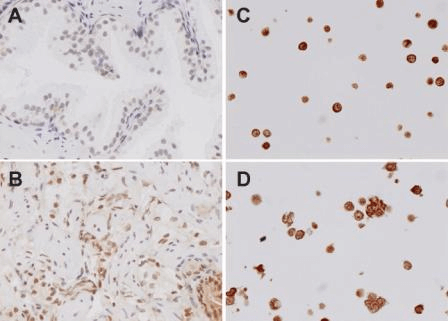
SPC-200
TLR4 Antibody

Cannot supply to this region.
- SKU:
- SPC-200
- Additional Names:
- ARMD10, CD284, TLR 4, TOLL, Toll like receptor 4
- Application:
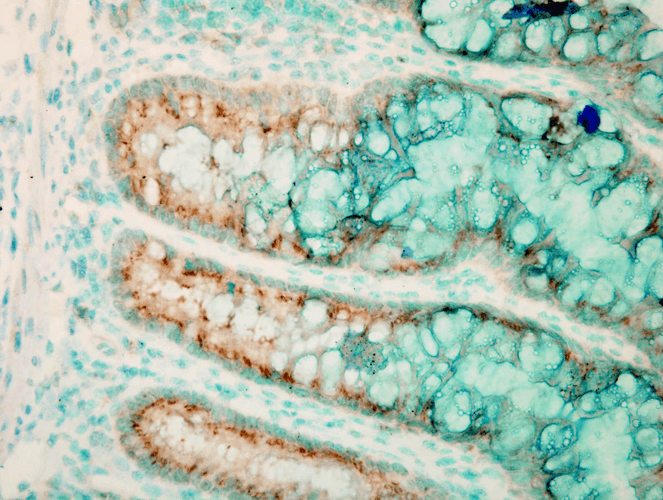
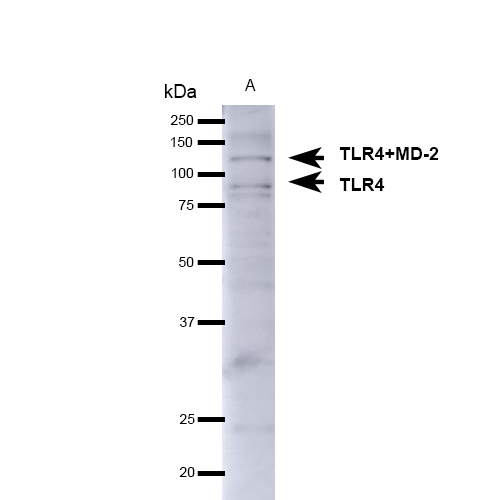
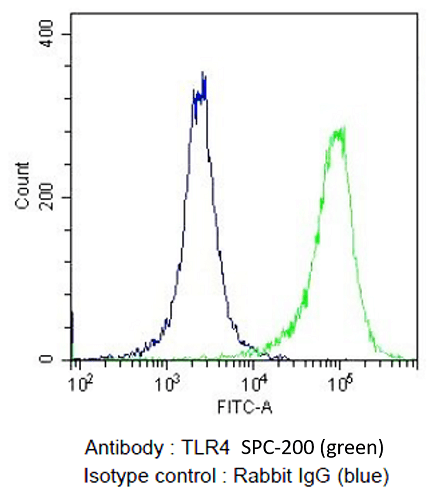
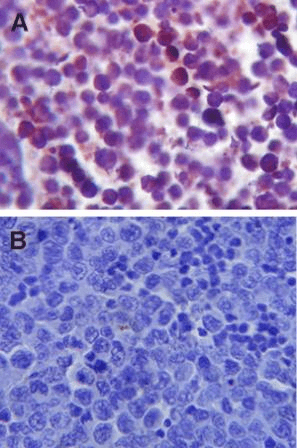
- Flow Cytometry, IHC, WB, IF, ICC
- Concentration:
- 1 mg/ml
- Species Reactivity:
- Human
- Purification:
- Protein A Purified
- Storage Conditions:
- -20[o]C
- Supplier:
- StressMarq Biosciences
- Host:
- Rabbit
- Reactivities:
- Human, Mouse
- ABP:
- No Import Docs
- Buffer:
- PBS, 50% glycerol, 0.09% sodium azide
- Immunogen:
- Developed against a synthetic peptide corresponding to amino acids 420-435 of human TLR4
- Uniprot:
- O00206
- Synonyms:
- ARMD10;CD284;homolog of Drosophila toll;hToll;TLR-4;TOLL;toll like receptor 4 protein;toll-like receptor 4
- Extra Details:
- Toll-like receptor 4 (TLR4) is a transmembrane pattern recognition receptor and a central component of the innate immune system. Structurally, TLR4 is defined by extracellular leucine-rich repeats (LRRs) and a cytoplasmic Toll/IL-1 receptor (TIR) domain, which mediates downstream signaling through adaptor proteins such as MyD88 and TRIF. Among the ten known human TLRs (TLR1-TLR10), TLR4 is one of the most extensively studied, particularly for its role in recognizing lipopolysaccharide (LPS) from Gram-negative bacteria. In the central nervous system, TLR4 is expressed on microglia, astrocytes, and neurons, where it serves as a critical sensor of both pathogen-associated molecular patterns (PAMPs) and damage-associated molecular patterns (DAMPs). Activation of TLR4 triggers pro-inflammatory signaling cascades, leading to the release of cytokines, chemokines, and reactive oxygen species. Mounting evidence implicates TLR4 in the pathogenesis of neurodegenerative diseases such as Alzheimer's disease, Parkinson's disease, and amyotrophic lateral sclerosis (ALS). Chronic TLR4 activation contributes to sustained neuroinflammation, synaptic dysfunction, and neuronal loss. Moreover, TLR4 may mediate the brain's response to misfolded proteins like amyloid-B Beta and A Alpha-synuclein, linking innate immunity to proteinopathy-driven neurodegeneration. Given its dual role in host defense and neuroinflammatory signaling, TLR4 is a promising therapeutic target for modulating immune responses and mitigating neurodegenerative progression.
- Shipping Conditions:
- Blue Ice