SPC-195
HSP110 Antibody

Cannot supply to this region.
- SKU:
- SPC-195
- Additional Names:
- HSPH1, HSP110, HSP105, Heat shock protein 105 kDa, Heat shock 110 kDa protein, KIAA0201, Heat shock 105kDa alpha, heat shock 105kDa beta, HSP105A, HSP105B, NY CO 25
- Application:
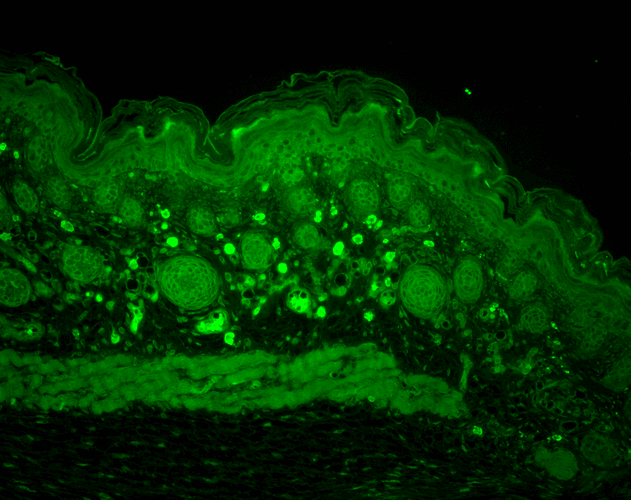
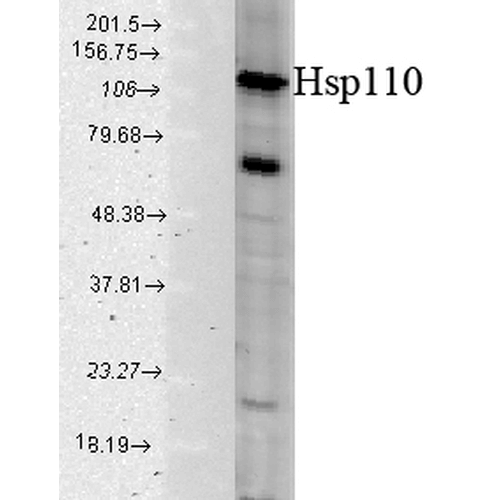
- IHC, WB, IF, ICC
- Concentration:
- 1 mg/ml
- Species Reactivity:
- Hamster
- Purification:
- Protein A Purified
- Storage Conditions:
- -20[o]C
- Supplier:
- StressMarq Biosciences
- Host:
- Rabbit
- Reactivities:
- Bovine, Fish, Hamster, Human, Mouse, Rat, Yeast, Ovine
- ABP:
- IMP-GEN-2015-06 < 10% Serum <100ml
- Buffer:
- PBS pH7.2, 50% glycerol, 0.09% sodium azide
- Immunogen:
- Synthetic peptide derived from the sequence of hamster HSP110; sequence identical to human and mouse
- Uniprot:
- Q92598, Q92599
- Synonyms:
- antigen NY-CO-25;heat shock 105kDa/110kDa protein 1;Heat shock 110 kDa protein;heat shock protein 105 kDa;HSP105;HSP105A;HSP105B;NY-CO-25;SEP2;SEPT8;septin-8
- Extra Details:
- HSP110, a member of the HSP110/SSE family of large stress proteins, plays a critical role in maintaining proteostasis under physiological and pathological conditions. Although distantly related to the HSP70 family, HSP110 shares 30-33% amino acid identity, particularly within the conserved ATP-binding domain, and functions cooperatively with HSP70 in the eukaryotic cytosol to facilitate protein folding and prevent aggregation. In mammals, HSP110 is constitutively expressed, with notably high levels in the brain. Its expression is further upregulated in response to cellular stress, including cerebral ischemia-a condition closely linked to neurodegenerative processes. Both HSP70 and HSP110 are elevated following ischemic events, suggesting a coordinated chaperone response. Interestingly, HSP110 deficiency has been associated with enhanced HSP70 activity, indicating a compensatory mechanism that may influence neuronal survival and recovery. Emerging evidence positions HSP110 as a key modulator of neuroprotection, particularly in the context of diseases characterized by protein misfolding and aggregation, such as Alzheimer's, Parkinson's, and Huntington's disease. By stabilizing protein conformation and supporting cellular stress responses, HSP110 contributes to neuronal resilience and recovery. Beyond neuroscience, HSP110 is also being explored in cancer immunotherapy, highlighting its broader relevance in stress biology and therapeutic development. Its dual role in neuroprotection and immune modulation makes HSP110 a promising target in translational research focused on neurodegenerative disease intervention.
- Shipping Conditions:
- Blue Ice