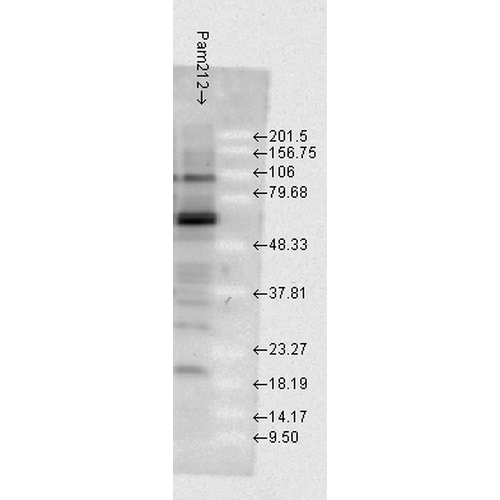
SPC-103
HSP70 Antibody

Cannot supply to this region.
- SKU:
- SPC-103
- Additional Names:
- HSPA1A, HSPA1B, HSPA1, HSP70, HSP70-1, HSP70.1, HSP70-2, HSP72, HSP73, HSX70, Heat shock 70 kDa protein 1A, Heat shock 70 kDa protein 1B
- Application:
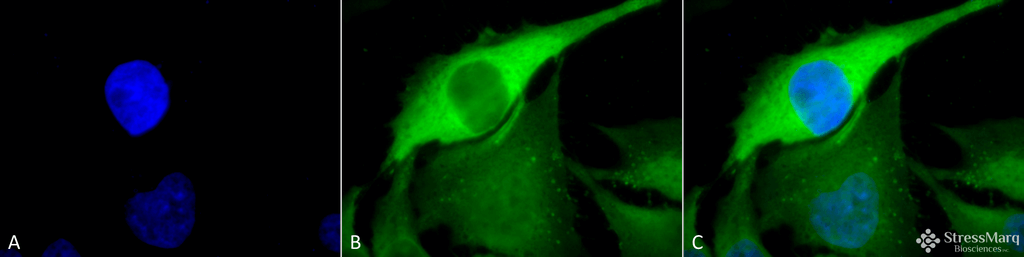
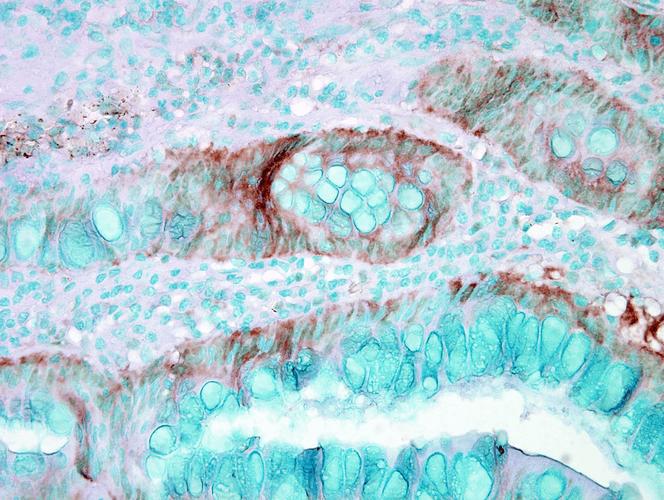
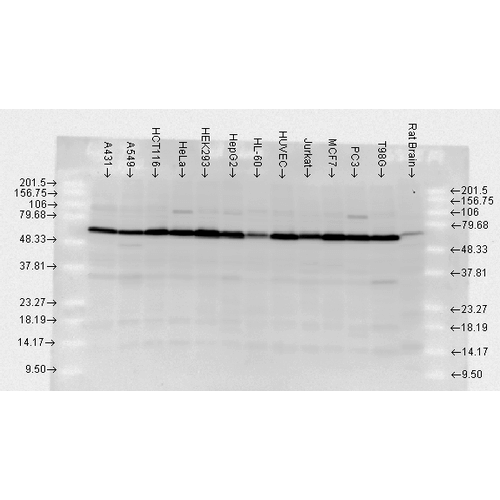
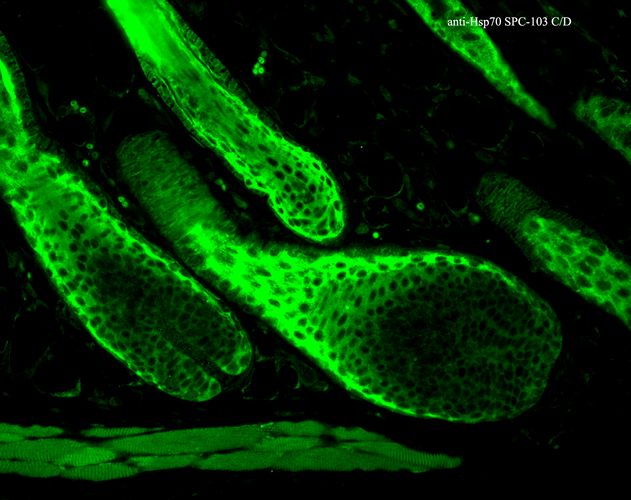
- ELISA, Flow Cytometry, IHC, WB, IF, ICC, IP
- Concentration:
- 1 mg/ml
- Species Reactivity:
- Human
- Purification:
- Affinity Purified
- Storage Conditions:
- -20[o]C
- Supplier:
- StressMarq Biosciences
- Host:
- Rabbit
- Reactivities:
- Bacteria, Bovine, Canine, Fish, Hamster, Human, Mouse, Parasite, Plant, Porcine, Rat, Guinea Pig, Ovine
- ABP:
- IMP-GEN-2015-06 < 10% Serum <100ml
- Buffer:
- PBS pH7.4, 50% glycerol, 0.09% sodium azide
- Immunogen:
- Recombinant Full length Human HSP70 Protein
- Uniprot:
- P0DMV8, P0DMV9
- Synonyms:
- dnaK-type molecular chaperone HSP70-1;epididymis secretory protein Li 103;epididymis secretory sperm binding protein;heat shock 70 kDa protein 1;heat shock 70 kDa protein 1/2;heat shock 70 kDa protein 1A;heat shock 70 kDa protein 1A/1B;Heat shock 70 kDa protein 1B;Heat shock 70 kDa protein 2;heat shock 70kD protein 1A;heat shock 70kD protein 1B;heat shock 70kDa protein 1A;heat shock 70kDa protein 1B;heat shock-induced protein;HEL-S-103;HSP70-1;HSP70-1/HSP70-2;HSP70-1A;HSP70-1B;HSP70-2;HSP70.1;HSP70.1/HSP70.2;HSP70.2;HSP70I;HSP72;HSPA1;HSX70
- Extra Details:
- HSP70 proteins are a highly conserved family of 70-kDa molecular chaperones encoded by a multigene family in most eukaryotes and prokaryotes. Found in nearly all cellular compartments-including the cytosol, nucleus, mitochondria, endoplasmic reticulum, and chloroplasts-HSP70s are constitutively expressed and strongly upregulated in response to cellular stress. These chaperones play a vital role in protein homeostasis by binding to nascent polypeptides and partially folded or misfolded proteins, preventing aggregation and facilitating proper folding. HSP70s exhibit high-affinity ATP binding and weak ATPase activity, which is stimulated upon interaction with unfolded substrates. ATP hydrolysis triggers conformational changes that regulate substrate binding and release, enabling dynamic cycles of protein folding and refolding. Structurally, the N-terminal domain of HSP70 is responsible for ATP binding, while the C-terminal domain mediates substrate interaction. This modular design allows HSP70s to coordinate with co-chaperones such as HSP40, HIP, HOP, and BAG-1, integrating folding with degradation and transport pathways. In neurodegenerative disease research, HSP70 is of particular interest due to its ability to counteract protein misfolding and aggregation-hallmarks of disorders like Alzheimer's, Parkinson's, and Huntington's disease. By stabilizing toxic intermediates and promoting their clearance, HSP70 enhances neuronal survival and resilience under proteotoxic stress.
- Shipping Conditions:
- Blue Ice