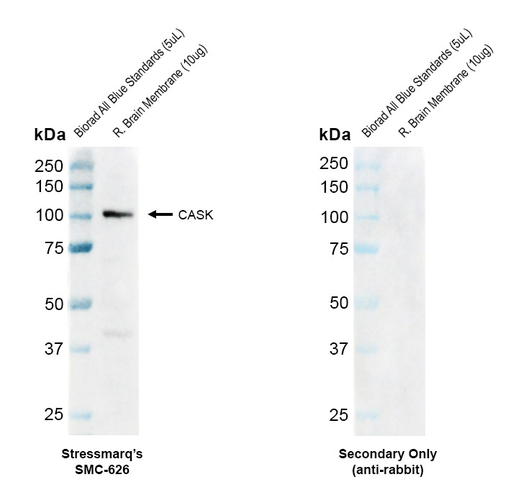
SMC-626
CASK Antibody, Clone PT55

Cannot supply to this region.
- SKU:
- SMC-626
- Additional Names:
- CASK, Peripheral plasma membrane protein CASK, Calcium/calmodulin-dependent serine protein kinase, Calcium calmodulin-dependent serine protein kinase, LIN2, Lin-2 homolog, CAMGUK, CMG2, FGS4, MICPCH, MRXSNA, TNRC8, hCASK
- Application:
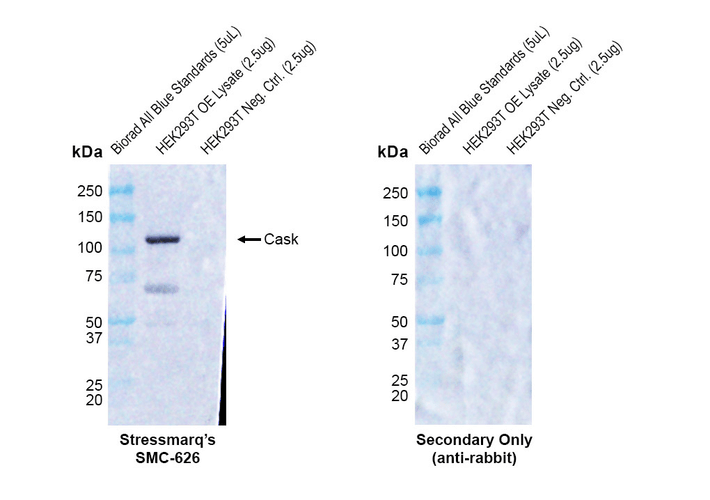
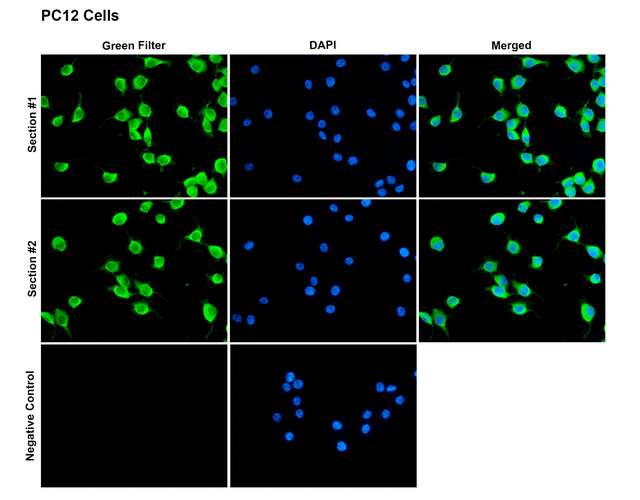
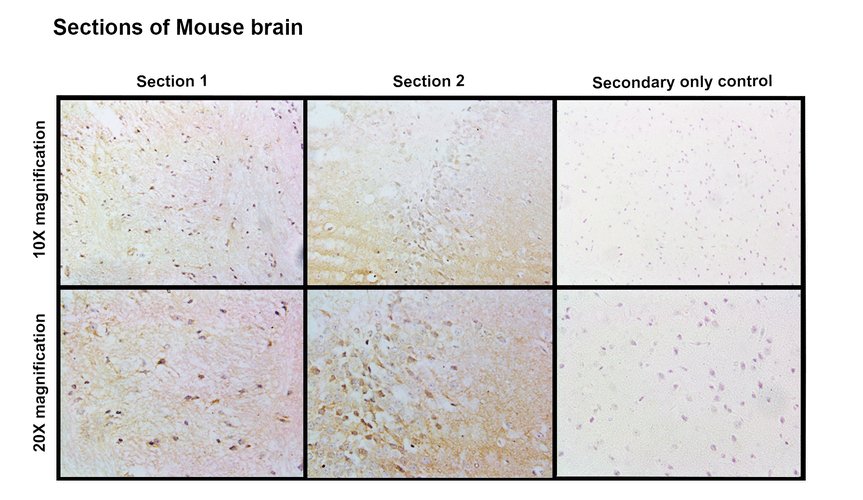
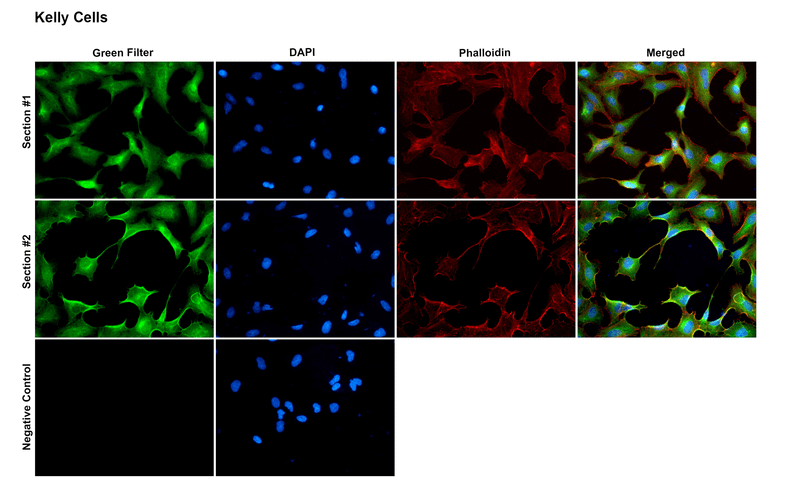
- IHC, WB, IF, ICC
- Concentration:
- 1 mg/ml
- Species Reactivity:
- Human
- Purification:
- AmMagTM Ultra AT Protein A MagBeads
- Storage Conditions:
- -20[o]C
- Supplier:
- StressMarq Biosciences
- Host:
- Rabbit
- Reactivities:
- Human, Mouse, Rat
- Buffer:
- PBS pH 7.4, 0.02% Proclin 300, 50% glycerol
- Immunogen:
- Fusion protein, AA #318-415 (first L27 domain) of human CASK.
- Clone:
- PT55
- Uniprot:
- O14936
- Synonyms:
- CAGH39;calcium/calmodulin-dependent serin protein kinase;Calcium/calmodulin-dependent serine protein kinase;calcium/calmodulin-dependent serine protein kinase (MAGUK family);calcium/calmodulin-dependent serine protein kinase membrane-associated guanylate kinase;CAMGUK;CMG;FGS4;hCASK;LIN2;MICPCH;MRXSNA;peripheral plasma membrane protein CASK;protein lin-2 homolog;TNRC8;trinucleotide repeat containing 8
- Extra Details:
- CASK (calcium/calmodulin-dependent serine protein kinase) is a ~112 kDa member of the membrane-associated guanylate kinase (MAGUK) family, functioning as a critical scaffolding protein in neuronal development and synaptic organization. Structurally, CASK integrates multiple signaling domains-including a CaMK-like kinase domain, SH3 domain, PDZ domain, and a guanylate kinase (GUK) homology domain-enabling it to anchor transmembrane proteins to the cytoskeleton and intracellular signaling complexes. In the nervous system, CASK plays a pivotal role in stabilizing synaptic architecture by binding to neurexins at the presynaptic membrane, facilitating the assembly of pre- and postsynaptic structures. Beyond its cytoplasmic functions, a nuclear fraction of CASK translocates to the nucleus, where it acts as a transcriptional co-activator, influencing gene expression programs essential for neurodevelopment. Loss-of-function studies underscore CASK's essential role: mice with CASK gene disruptions exhibit perinatal lethality, highlighting its necessity for survival. Additionally, CASK is expressed in non-neuronal tissues, including basal keratinocytes and developing hair follicles, suggesting broader roles in tissue development and wound repair. Emerging evidence links CASK dysfunction to neurodevelopmental and neurodegenerative disorders, including intellectual disability, microcephaly, and cerebellar atrophy. As a multifunctional regulator of synaptic integrity and gene expression, CASK is increasingly recognized as a key molecular target in neuroscience and neurodegeneration research.
- Shipping Conditions:
- Blue Ice