
SMC-489
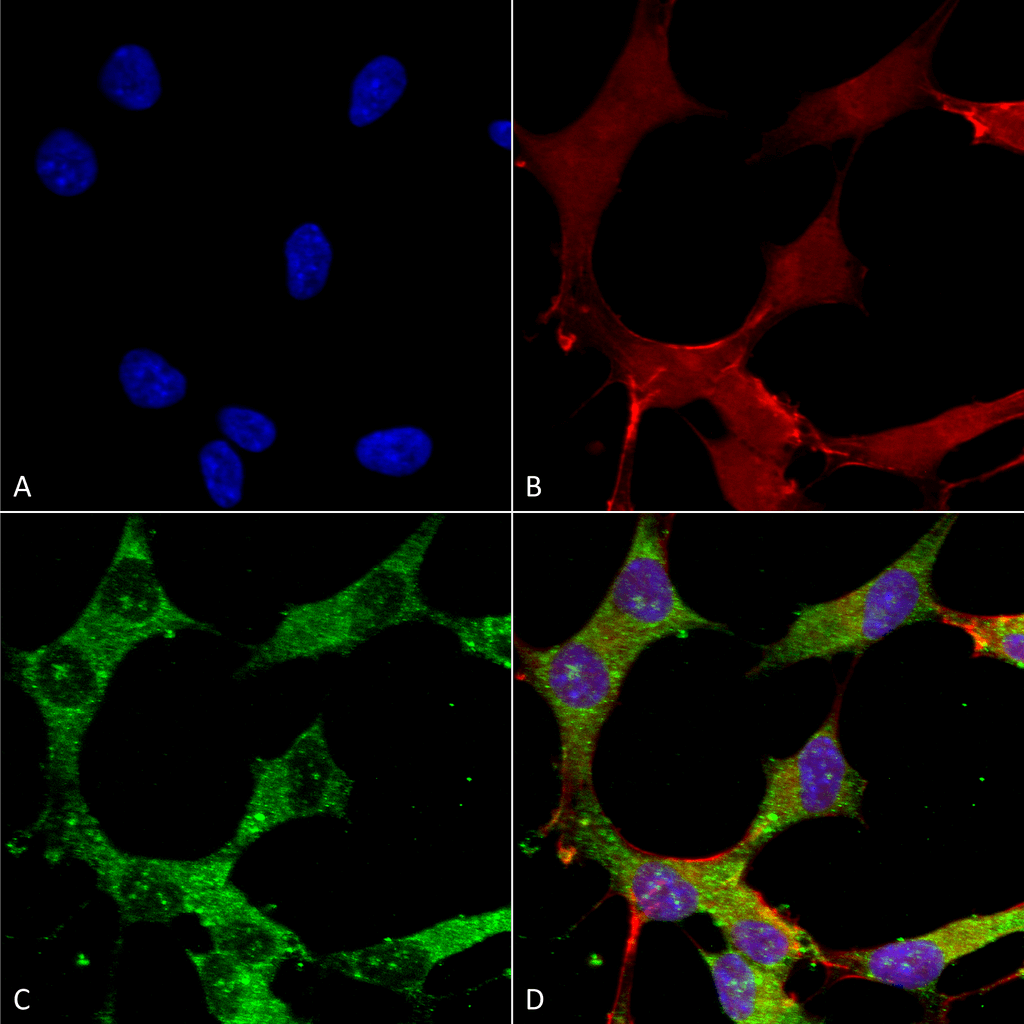
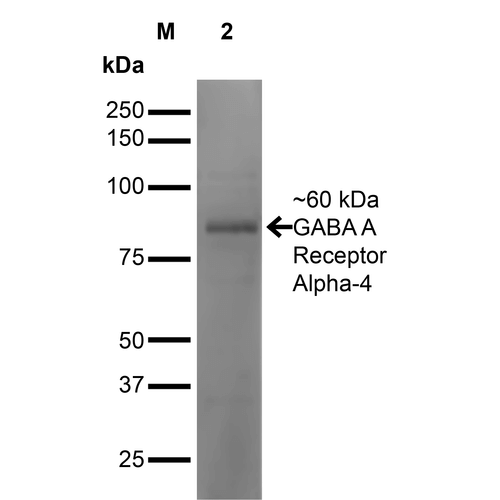
GABAA Receptor Alpha 4 Antibody, Clone N398A/34

Cannot supply to this region.
- SKU:
- SMC-489
- Additional Names:
- GABA A receptor subunit alpha 4, GABRA4, Gamma aminobutyric acid A receptor Alpha 4, Gamma-aminobutyric acid receptor subunit alpha-4, GBRA4_HUMAN
- Application:
- IHC, WB, IF, ICC
- Concentration:
- 1 mg/ml
- Species Reactivity:
- Rat
- Purification:
- Protein G Purified
- Storage Conditions:
- -20[o]C
- Supplier:
- StressMarq Biosciences
- Host:
- Mouse
- Reactivities:
- Human, Mouse, Rat
- Buffer:
- PBS pH7.4, 50% glycerol, 0.1% sodium azide
- Immunogen:
- Fusion protein amino acids 410-450 (Cytoplasmic C-terminus) of rat GABA-A-Receptor Alpha 4
- Clone:
- N398A/34 (Formerly sold as S398A-34)
- Uniprot:
- P28471
- Synonyms:
- GABA-A receptor alpha-4 subunit;GABA(A) receptor subunit alpha-4;gamma-aminobutyric acid (GABA-A) receptor, subunit alpha 4;gamma-aminobutyric acid (GABA) A receptor, alpha 4;gamma-aminobutyric acid receptor subunit alpha-4;gamma-aminobutyric acid type A receptor alpha4 subunit
- Extra Details:
- The GABA-A receptor alpha 4 subunit (GABRA4) is a key component of the GABA-A receptor complex, the primary mediator of fast inhibitory neurotransmission in the central nervous system. As part of the ligand-gated ion channel superfamily, GABRA4 contributes to tonic inhibition, particularly in the thalamus and hippocampus-regions essential for cognition, memory, and seizure regulation. Dysregulation of GABRA4 has been strongly linked to epilepsy and pharmacoresistance to antiepileptic drugs, highlighting its role in maintaining neural circuit stability. Beyond epilepsy, emerging evidence suggests that GABRA4 dysfunction may contribute to the pathophysiology of neurodegenerative diseases by disrupting inhibitory-excitatory balance, promoting network hyperexcitability, and impairing synaptic plasticity. These mechanisms are increasingly recognized in conditions such as Alzheimer's disease, where altered GABAergic signaling is associated with cognitive decline and neuronal vulnerability. As a result, GABRA4 is gaining attention as a potential biomarker and therapeutic target in neurodegeneration. Advancing our understanding of GABRA4's role in inhibitory signaling may unlock new strategies for early intervention and disease modification in disorders characterized by GABAergic dysfunction.
- Shipping Conditions:
- Blue Ice