
SMC-486
GABAA Receptor Alpha 2 Antibody, Clone N399/19

Cannot supply to this region.
- SKU:
- SMC-486
- Additional Names:
- GABA A receptor subunit alpha 2, GABRA2, Gamma aminobutyric acid A receptor Alpha 2, GBRA2_HUMAN, Gamma-aminobutyric acid receptor subunit alpha-2
- Application:
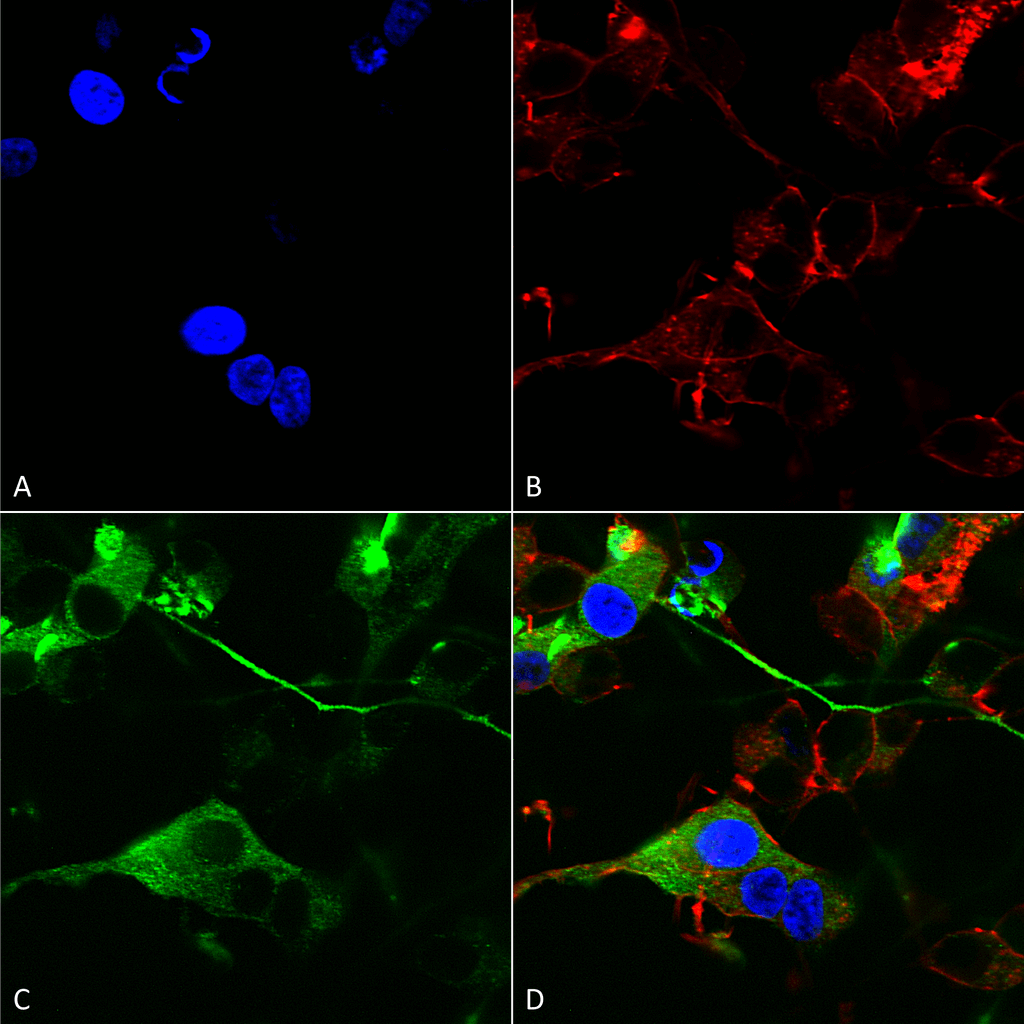
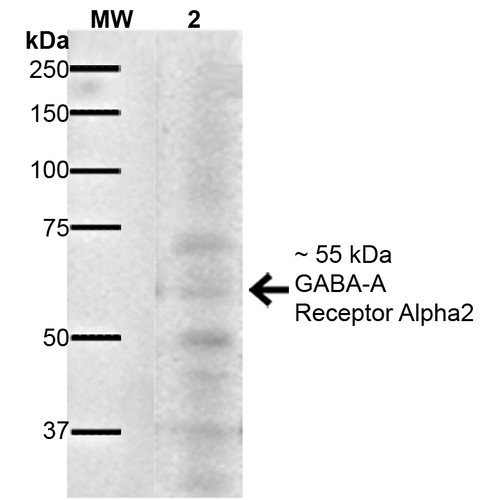
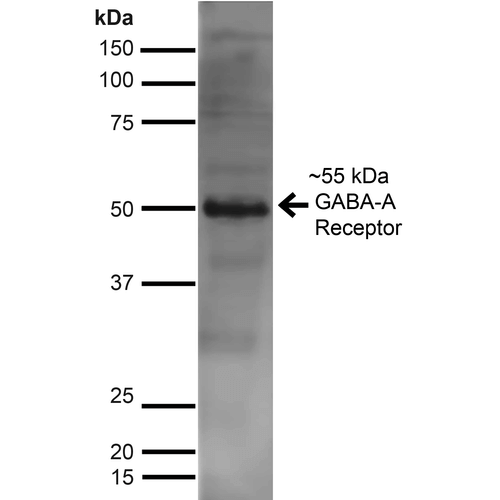
- IHC, WB, IF, ICC
- Concentration:
- 1 mg/ml
- Species Reactivity:
- Rat
- Purification:
- Protein G Purified
- Storage Conditions:
- -20[o]C
- Supplier:
- StressMarq Biosciences
- Host:
- Mouse
- Reactivities:
- Human, Mouse, Rat
- Buffer:
- PBS pH7.4, 50% glycerol, 0.1% sodium azide
- Immunogen:
- Fusion protein amino acids 350-385 (Cytoplasmic C-terminus) of rat GABA-A Receptor Alpha2
- Clone:
- N399/19 (Formerly sold as S399-19)
- Uniprot:
- P23576
- Synonyms:
- GABA(A) receptor subunit alpha-2;gamma-aminobutyric acid (GABA-A) receptor, subunit alpha 2;gamma-aminobutyric acid (GABA) A receptor, alpha 2;gamma-aminobutyric acid receptor A2 subunit;gamma-aminobutyric acid receptor subunit alpha-2;gamma-aminobutyric acid type A receptor alpha2 subunit
- Extra Details:
- The GABA A receptor alpha 2 subunit (GABRA2) is a key component of the GABA A receptor complex, a family of fast-acting ligand-gated ion channels that mediate the majority of rapid inhibitory neurotransmission in the brain. These receptors are pentameric assemblies composed of various subunits, and the alpha 2 subunit plays a distinct role in modulating synaptic inhibition, particularly in limbic regions associated with emotion, memory, and stress regulation. GABRA2 has emerged as a significant molecular player in the context of neurodegenerative diseases, including Alzheimer's disease, Parkinson's disease, and frontotemporal dementia. Alterations in GABRA2 expression or function have been linked to disrupted inhibitory signaling, increased neuronal excitability, and impaired synaptic plasticity-factors that contribute to cognitive decline and neurodegeneration. Moreover, GABRA2 is implicated in neuropsychiatric symptoms often comorbid with neurodegenerative disorders, such as anxiety and agitation. Recent advances in transcriptomics, neuroimaging, and electrophysiology have enabled precise mapping of GABRA2 expression and function across brain regions and disease states. These insights position GABRA2 as a promising target for therapeutic intervention and biomarker development in early-stage neurodegeneration. By integrating GABRA2-focused research into broader neurodegenerative frameworks, scientists are uncovering novel pathways to preserve inhibitory balance and protect neural networks-advancing both our understanding and treatment of complex brain disorders.
- Shipping Conditions:
- Blue Ice