

SMC-467
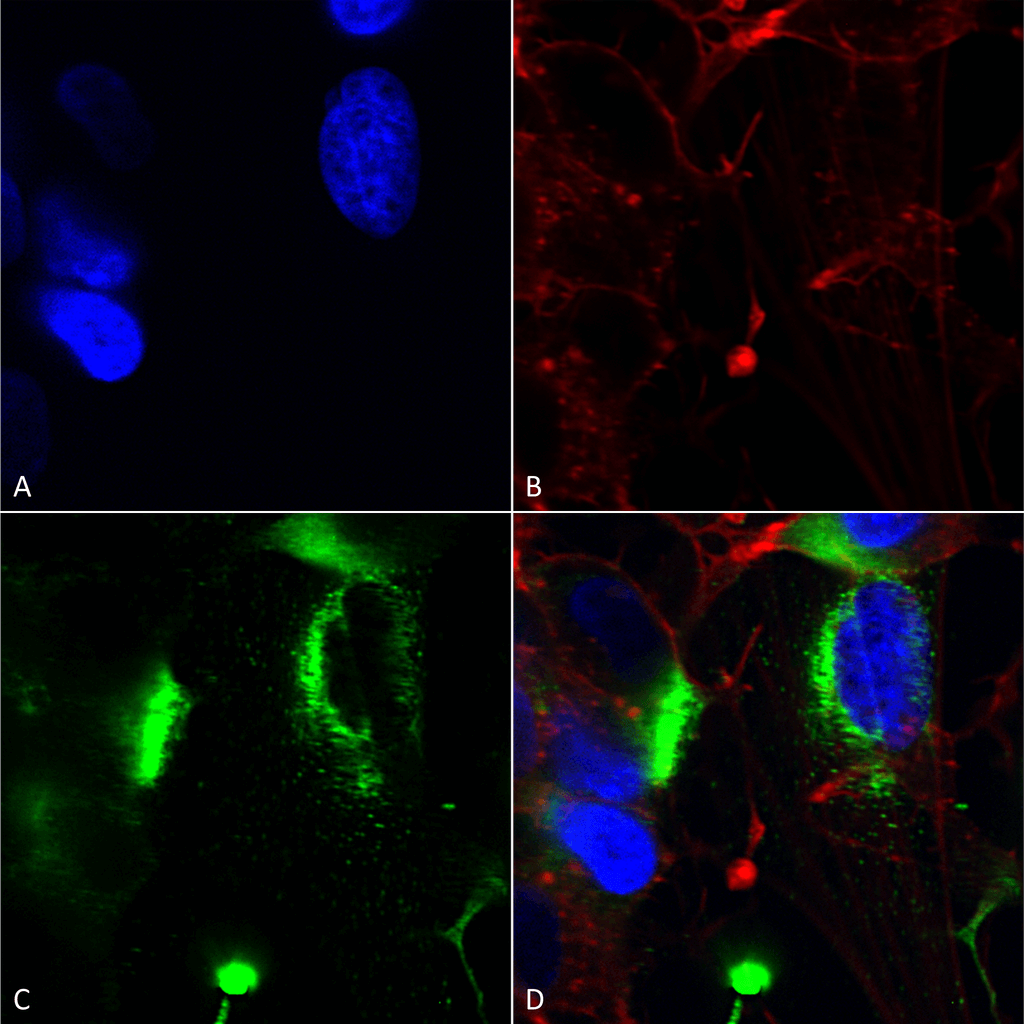
QKI Antibody, Clone N147/6

Cannot supply to this region.
- SKU:
- SMC-467
- Additional Names:
- Protein quaking, Hqk, HqkI, KH Domain Containing, RNA Binding (QKI)
- Application:
- IHC, WB, IF, ICC
- Concentration:
- 1 mg/ml
- Species Reactivity:
- Human
- Purification:
- Protein G Purified
- Storage Conditions:
- -20[o]C
- Supplier:
- StressMarq Biosciences
- Host:
- Mouse
- Reactivities:
- Human, Mouse, Rat
- ABP:
- IMP-GEN-2015-06 < 10% Serum <100ml
- Buffer:
- PBS pH7.4, 50% glycerol, 0.1% sodium azide
- Immunogen:
- Fusion protein amino acids 1-341 (full-length) of human QKI-5. Mouse: 100% identity (341/341 amino acids identical). Rat: 99% identity (339/341 amino acids identical) >90% identity with QKI-6, QKI-7 and QKI-7b.
- Clone:
- N147/6 (Formerly sold as S147-6)
- Uniprot:
- Q96PU8
- Synonyms:
- homolog of mouse quaking QKI (KH domain RNA binding protein);Hqk;hqkI;protein quaking;QK;QK1;QK3;QKI/LOC100132735 fusion;quaking homolog, KH domain RNA binding;RNA binding protein HQK
- Extra Details:
- QKI (Quaking), also known as HqkI, is an RNA-binding protein that plays a critical role in post-transcriptional gene regulation. It influences pre-mRNA splicing, mRNA export, stability, and translation, and is itself regulated by alternative splicing. QKI is essential for oligodendrocyte differentiation and myelination in the central nervous system. Its expression is particularly enriched in the frontal cortex, where it contributes to neuronal development and synaptic function. Dysregulation of QKI has been implicated in neuropsychiatric and neurodegenerative disorders. Notably, reduced QKI expression has been observed in the brains of individuals with schizophrenia. Given its role in RNA metabolism and neural connectivity, QKI is a promising target for understanding the molecular basis of neurodegeneration and developing RNA-based therapeutic strategies.
- Shipping Conditions:
- Blue Ice