
SMC-447
ATF4 Antibody, Clone N360A/24

Cannot supply to this region.
- SKU:
- SMC-447
- Additional Names:
- Ataxin 1, Ataxin-1, ATX1, Atxn1, D6S504E, OTTHUMP00000016065, SCA1, Spinocerebellar ataxia type 1 protein
- Application:
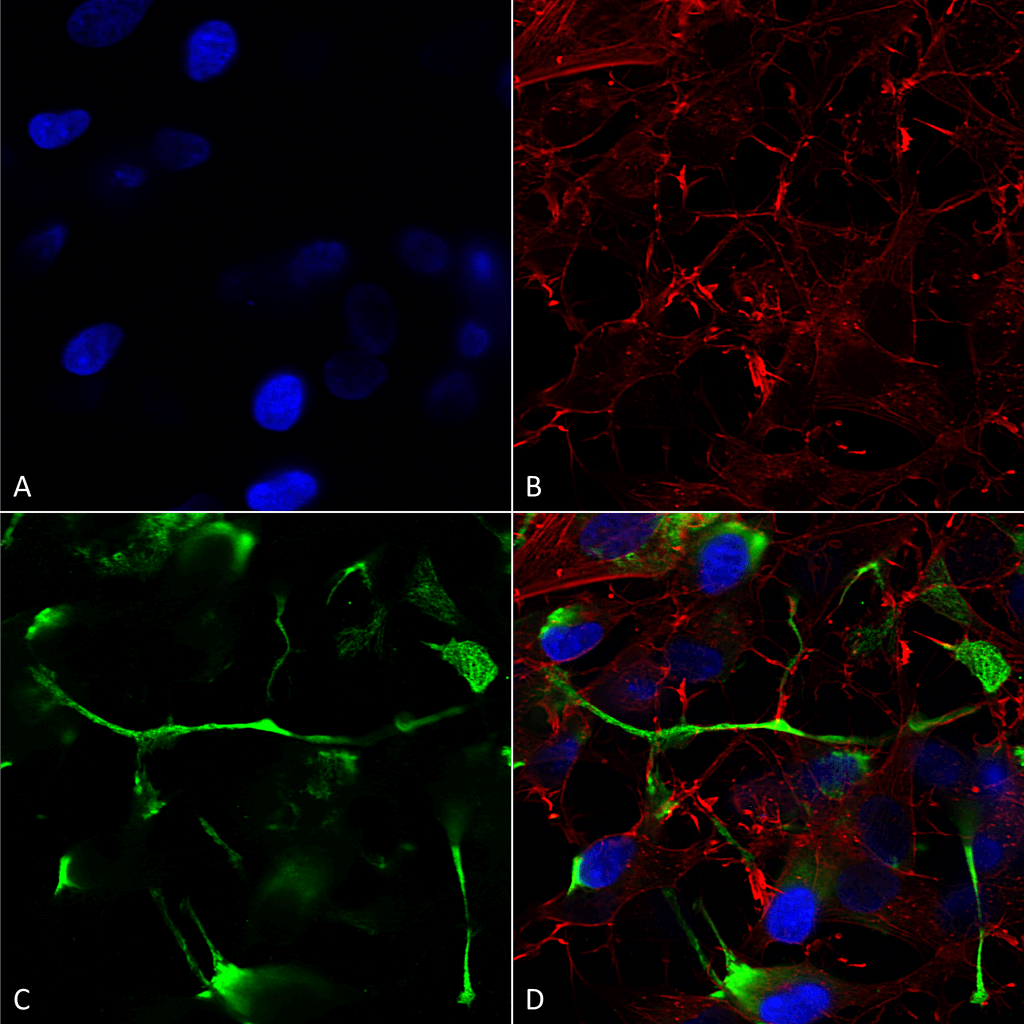
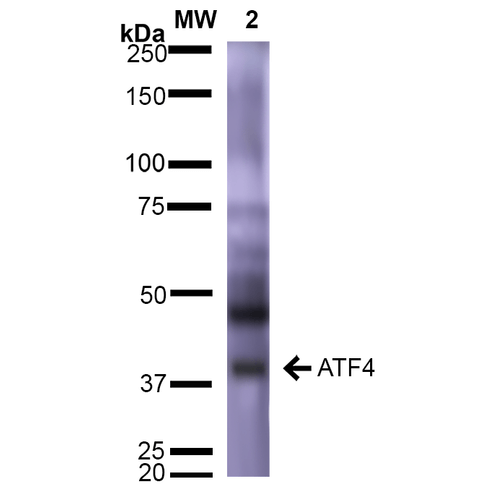
- IHC, WB, IF, ICC
- Concentration:
- 1 mg/ml
- Species Reactivity:
- Human
- Purification:
- Protein G Purified
- Storage Conditions:
- -20[o]C
- Supplier:
- StressMarq Biosciences
- Host:
- Mouse
- Reactivities:
- Human, Rat
- ABP:
- IMP-GEN-2015-06 < 10% Serum <100ml
- Buffer:
- PBS pH7.4, 50% glycerol, 0.1% sodium azide
- Immunogen:
- Fusion protein amino acids 25-327 of human ATF4. 86% identical to rat, and 85% identical to mouse. <50% identity with ATF5.
- Clone:
- N360A/24 (Formerly sold as S360A-24)
- Uniprot:
- P18848
- Synonyms:
- Activating transcription factor 4;cAMP response element-binding protein 2;cAMP-dependent transcription factor ATF-4;cAMP-responsive element-binding protein 2;CREB-2;CREB2;cyclic AMP-dependent transcription factor ATF-4;cyclic AMP-responsive element-binding protein 2;DNA-binding protein TAXREB67;tax-responsive enhancer element B67;tax-responsive enhancer element-binding protein 67;TAXREB67;TXREB
- Extra Details:
- Activating Transcription Factor 4 (ATF4) is a key basic leucine zipper (bZIP) transcription factor that orchestrates cellular responses to endoplasmic reticulum (ER) stress, oxidative stress, and nutrient deprivation-conditions commonly implicated in neurodegenerative diseases. ATF4 regulates critical pathways including amino acid metabolism, DNA damage repair, chromatin remodeling, and apoptosis, positioning it as a central node in maintaining neuronal homeostasis. In the nervous system, ATF4 functions as a stress-responsive transcriptional regulator, often in coordination with proteins such as CHOP (C/EBP homologous protein), asparagine synthetase (ASNS), and cAMP response elements (CREs). These interactions modulate gene expression programs that determine cell survival or death under pathological conditions. Notably, ATF4 suppresses pancreatic B Beta-cell proliferation and insulin production, linking metabolic dysfunction to neurodegenerative processes. ATF4 also influences epigenetic regulation by targeting the histone demethylase JMJD3, thereby altering chromatin architecture and enhancing transcriptional responses to amino acid scarcity. This epigenetic control is particularly relevant in neurons, where adaptive gene expression is essential for coping with chronic stress. Given its multifaceted role in stress signaling, ATF4 is increasingly recognized as a therapeutic target in neurodegenerative disorders such as Alzheimer's disease, Parkinson's disease, and amyotrophic lateral sclerosis (ALS). Ongoing research into ATF4-mediated pathways offers promising insights into the molecular mechanisms driving neuronal vulnerability and resilience.
- Shipping Conditions:
- Blue Ice