
SMC-442
GFAP R416WT Antibody, Clone N206B/9

Cannot supply to this region.
- SKU:
- SMC-442
- Additional Names:
- GFAP, Glial fibrillary acidic protein, Intermediate filament protein, Astrocyte, GFAPL, DKFZp459C0729, MGC139638, FLJ45472, AI836096
- Application:
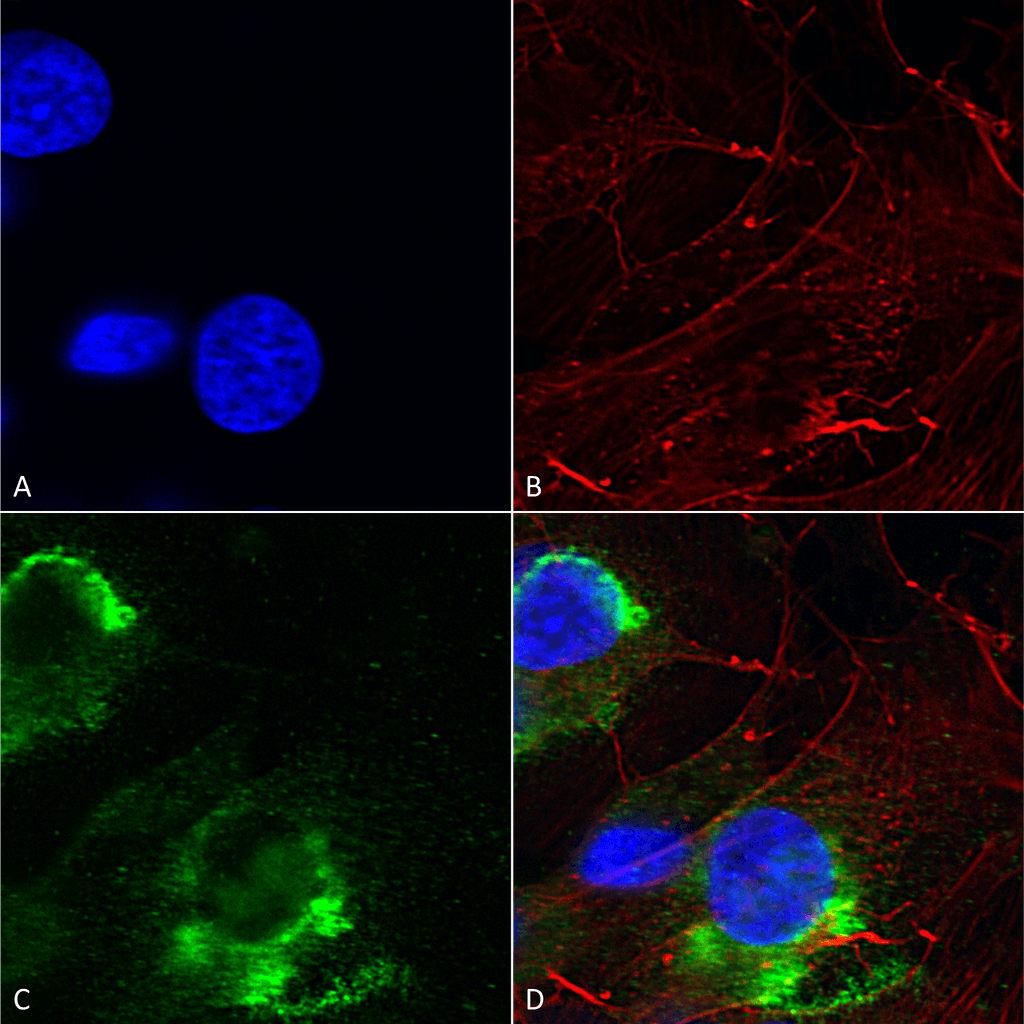
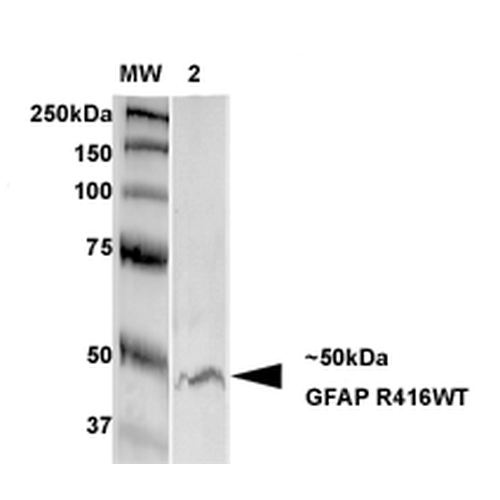
- IHC, WB, IF, ICC
- Concentration:
- 1 mg/ml
- Species Reactivity:
- Human
- Purification:
- Protein G Purified
- Storage Conditions:
- -20[o]C
- Supplier:
- StressMarq Biosciences
- Host:
- Mouse
- Reactivities:
- Human, Mouse, Rat
- ABP:
- IMP-GEN-2015-06 < 10% Serum <100ml
- Buffer:
- PBS pH7.4, 50% glycerol, 0.1% sodium azide
- Immunogen:
- Synthetic peptide amino acids 411-422 (KTVEMRDGEVIK) of human GFAP; 100% identical in rat and mouse. >50% identity with other proteins (Vimentin, Desmin and Peripherin).
- Clone:
- N206B/9 (Formerly sold as S206B-9)
- Uniprot:
- P14136
- Synonyms:
- ALXDRD;glial fibrillary acidic protein
- Extra Details:
- Glial fibrillary acidic protein (GFAP) is a 50 kDa type III intermediate filament protein that serves as a key structural component of astrocytes in the central nervous system. It plays a critical role in maintaining astrocyte architecture and function. GFAP polymerization is regulated through phosphorylation and interactions with calcium-binding proteins such as annexin II-p2 and S-100, enabling dynamic responses to physiological and pathological stimuli. One of the earliest and most prominent astrocytic responses to central nervous system injury is astrogliosis, characterized by astrocyte proliferation and hypertrophy. A hallmark of this process is the upregulation of GFAP expression, making it a widely used biomarker for reactive astrocytes and neuroinflammation. In the context of neurodegenerative diseases-including Alzheimer's disease, Parkinson's disease, and multiple sclerosis-elevated GFAP levels reflect ongoing glial activation and are associated with disease progression. Notably, autoantibodies against GFAP have been detected in individuals with dementia, suggesting a potential link between astrocytic dysfunction and neuroimmune mechanisms in neurodegeneration. Due to its specificity and responsiveness to neural injury, GFAP is extensively used in both experimental and clinical neuroscience as a diagnostic and prognostic marker. Its role in glial biology and neuroinflammation continues to make it a focal point in the development of therapeutic strategies targeting astrocyte-mediated pathology.
- Shipping Conditions:
- Blue Ice