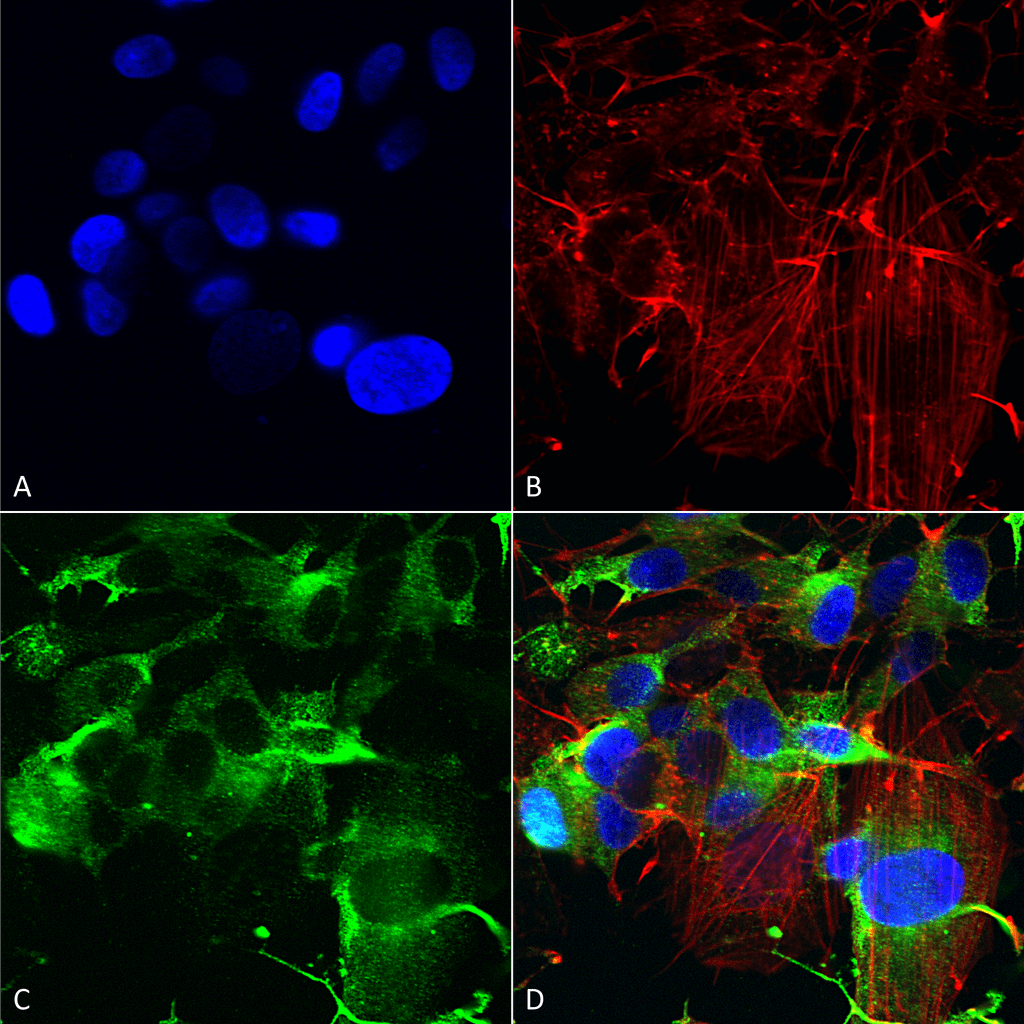

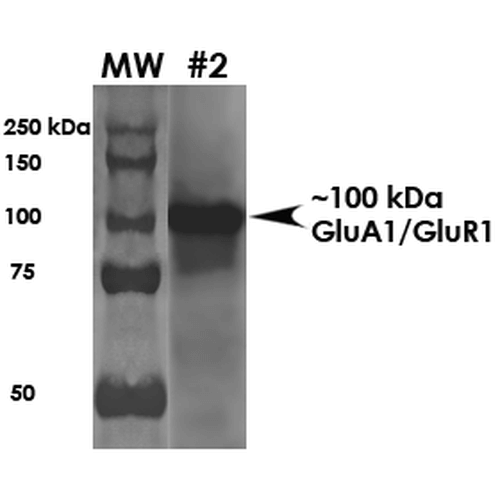
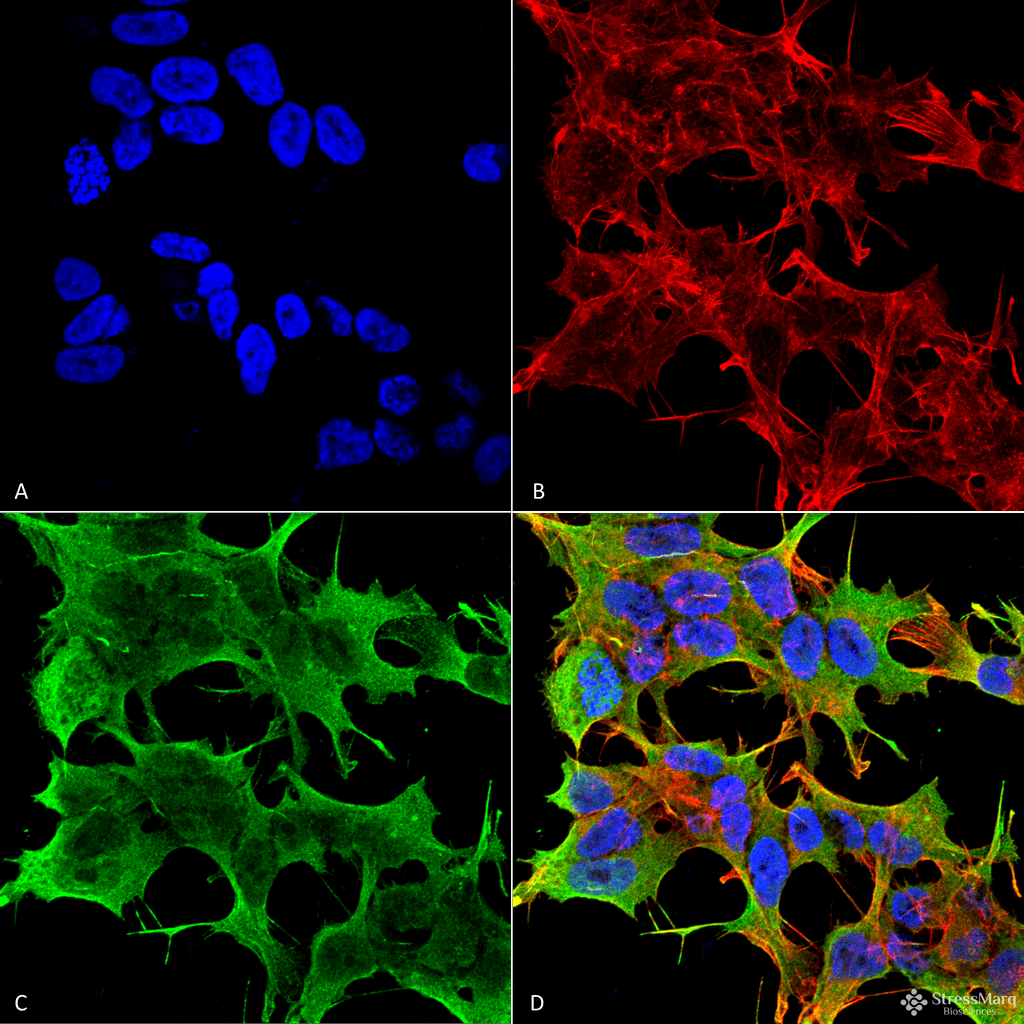
SMC-440D-APC
GluA1 Antibody, Clone N355/1: APC

Cannot supply to this region.
- SKU:
- SMC-440D-APC
- Additional Names:
- 2900051M01Rik, AI853806, AMPA 1, AMPA selective glutamate receptor 1, GLUH 1, GLUH1, GLUR1, GLURA, Glr-1, Glr1, GluA1, GluR K1, GluR-A, GluR1, GluRA, GluRK1, Glur-1, Glur1, Glutamate receptor 1, Glutamate receptor ionotropic, Glutamate receptor ionotropic AMPA 1, Gria 1, HBGR1, HIPA, MGC13325, OTTHUMP00000160643, OTTHUMP00000165781, OTTHUMP00000224241, OTTHUMP00000224242, OTTHUMP00000224243, gluR
- Application:
- IHC, WB, IF, ICC
- Concentration:
- 1 mg/ml
- Species Reactivity:
- Rat
- Purification:
- Protein G Purified
- Storage Conditions:
- See Manual
- Supplier:
- StressMarq Biosciences
- Host:
- Mouse
- Reactivities:
- Human, Mouse, Rat
- ABP:
- IMP-GEN-2015-06 < 10% Serum <100ml
- Buffer:
- 95.46mM Phosphate, 2.48mM MES and 2mM EDTA
- Immunogen:
- Fusion protein amino acids 1-389 (extracellular N-terminus) of rat GluA1
- Clone:
- N355/1
- Uniprot:
- P19490
- Synonyms:
- AMPA-selective glutamate receptor 1;GluA1;gluR-1;gluR-A;gluR-K1;GluR1;glutamate receptor 1;glutamate receptor A;Glutamate receptor ionotropic, AMPA 1;glutamate receptor subunit GluR1;glutamate receptor, ionotropic, AMPA 1;glutamate receptor, ionotropic, AMPA1 (alpha 1)
- Extra Details:
- GluR1, also known as glutamate receptor 1 or GRIA1, is an integral membrane protein and a subunit of AMPA-type ionotropic glutamate receptors. These receptors mediate fast excitatory neurotransmission in the central nervous system and are essential for synaptic plasticity, learning, and memory. GluR1 is widely expressed in the human brain and plays a central role in postsynaptic responses to glutamate-the primary excitatory neurotransmitter in mammals. While originally associated with kainate binding, GluR1 is now recognized as a core component of AMPA receptors, which are activated by glutamate and modulated by auxiliary proteins. Dysregulation of GluR1 expression, trafficking, or phosphorylation has been implicated in several neurodegenerative and neuropsychiatric disorders, including Alzheimer's disease, amyotrophic lateral sclerosis (ALS), and schizophrenia. Aberrant GluR1 signaling can lead to excitotoxicity, synaptic dysfunction, and neuronal loss-hallmarks of neurodegeneration. Given its critical role in maintaining synaptic integrity and plasticity, GluR1 is a valuable target for therapeutic intervention and a potential biomarker for disease progression in neurodegenerative research.
- Shipping Conditions:
- Blue Ice