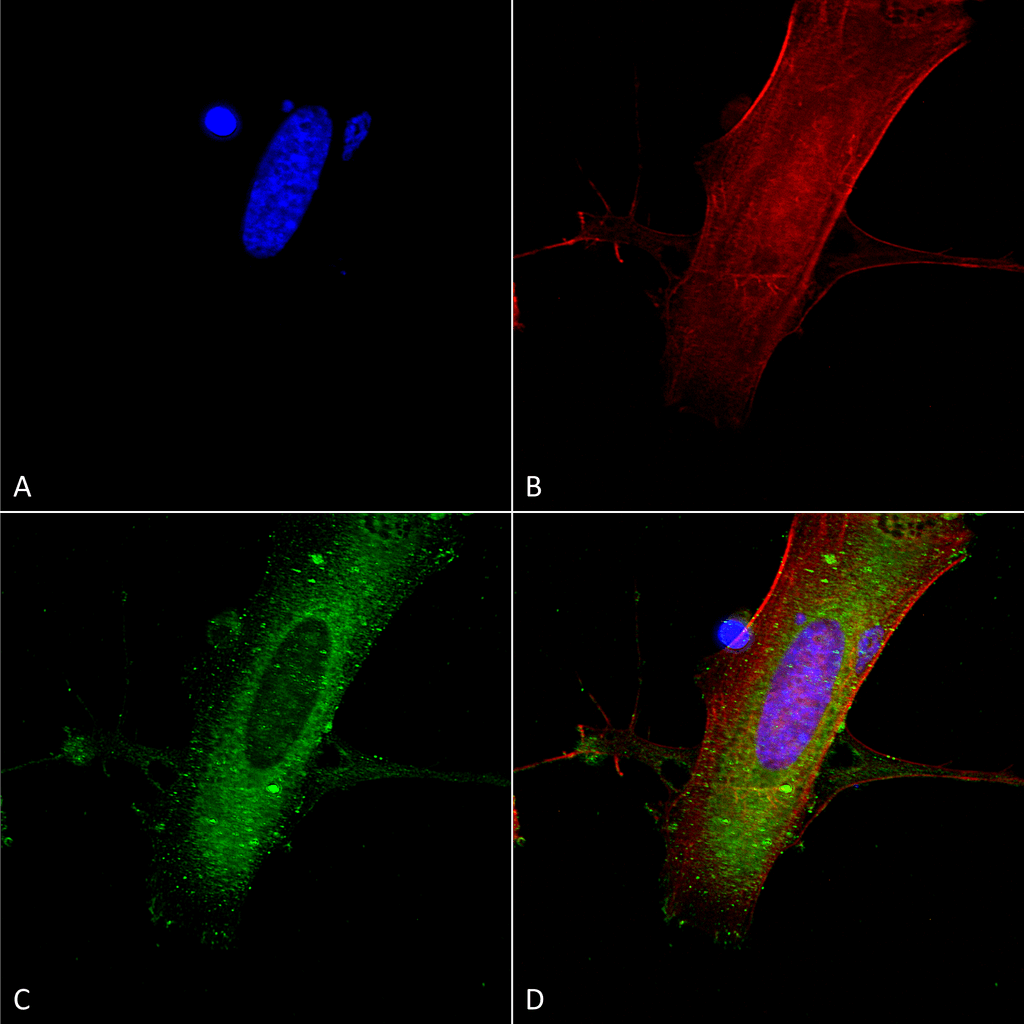
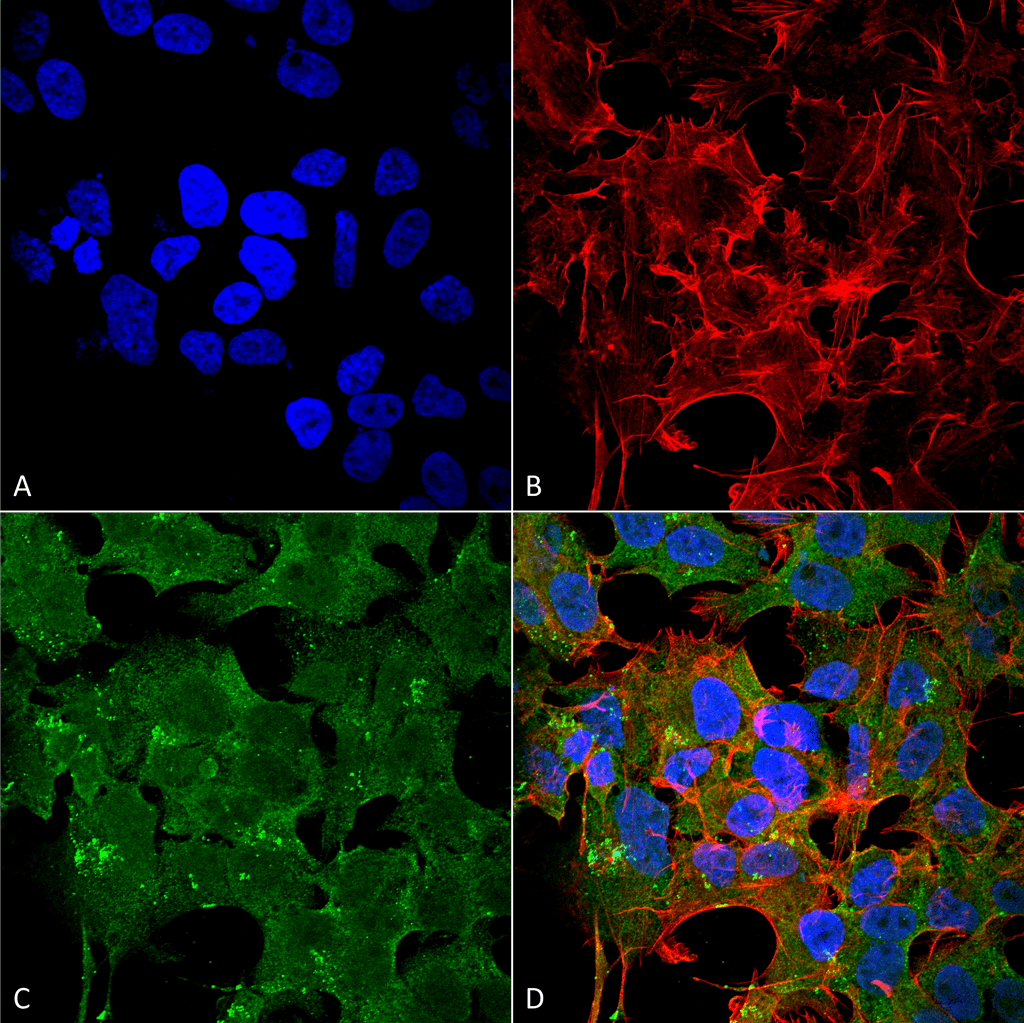

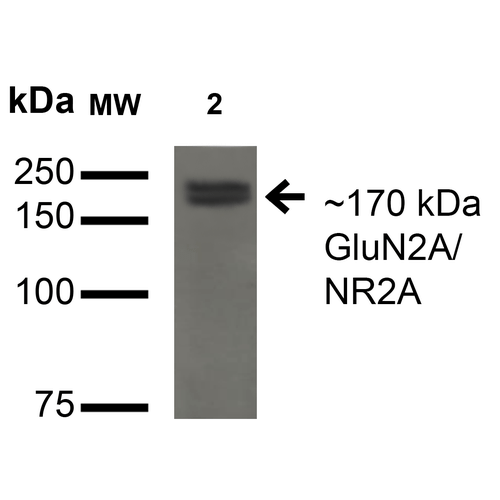
SMC-434
GluN2A (NR2A, NMDA Receptor 2A) Antibody, Clone N327A/38

Cannot supply to this region.
- SKU:
- SMC-434
- Additional Names:
- NMDA 2A, NMDAR2A, NMDAR 2A, NMDA Receptor 2A, Glutamate Receptor, GRIN2A, Glutamate [NMDA] Receptor subunit epsilon-1, Glutamate receptor ionotropic N methyl D aspartate 2A, HNR2A, N methyl D aspartate receptor channel, subunit epsilon 1, N Methyl D Aspartate Receptor Subtype 2A, N methyl D aspartate receptor subunit 2A, NMDA receptor subtype 2A, NMDA Receptor Type 2A, OTTHUMP00000160135, OTTHUMP00000174531
- Application:
- IHC, WB, IF, ICC
- Concentration:
- 1 mg/ml
- Species Reactivity:
- Rat
- Purification:
- Protein G Purified
- Storage Conditions:
- -20[o]C
- Supplier:
- StressMarq Biosciences
- Host:
- Mouse
- Reactivities:
- Human, Mouse, Rat
- Buffer:
- PBS pH7.4, 50% glycerol, 0.09% sodium azide
- Immunogen:
- Fusion protein amino acids 75-325 (extracellular N-terminus) of rat GluN2A
- Clone:
- N327A/38
- Uniprot:
- Q00959
- Synonyms:
- GluN2A;glutamate [NMDA] receptor subunit epsilon-1;glutamate receptor ionotropic, NMDA 2A;glutamate receptor, ionotropic, N-methyl D-aspartate 2A;N-methyl D-aspartate receptor subtype 2A;N-methyl-D-aspartate receptor subunit 2A;NMDAR2A;NR2A
- Extra Details:
- NR2A (GRIN2A) is a subunit of the N-methyl-D-aspartate (NMDA) receptor, a glutamate-gated ion channel essential for synaptic plasticity, learning, and memory. NR2A-containing NMDA receptors are predominantly expressed in the postnatal and adult brain, where they contribute to fast synaptic transmission and long-term potentiation (LTP). NR2A plays a critical role in calcium influx and downstream signaling cascades that regulate gene expression, synaptic remodeling, and neuronal survival. Alterations in NR2A expression or function have been implicated in neurodegenerative diseases such as Alzheimer's disease, where NMDA receptor dysregulation contributes to excitotoxicity and synaptic loss. In addition to its role in cognition, NR2A is involved in neurodevelopment and the fine-tuning of excitatory synaptic strength. Its interaction with scaffolding proteins and signaling molecules positions it as a key modulator of synaptic architecture and plasticity. Targeting NR2A-containing NMDA receptors offers a potential therapeutic strategy for modulating glutamatergic signaling in neurodegenerative and neuropsychiatric disorders.
- Shipping Conditions:
- Blue Ice