
SMC-431
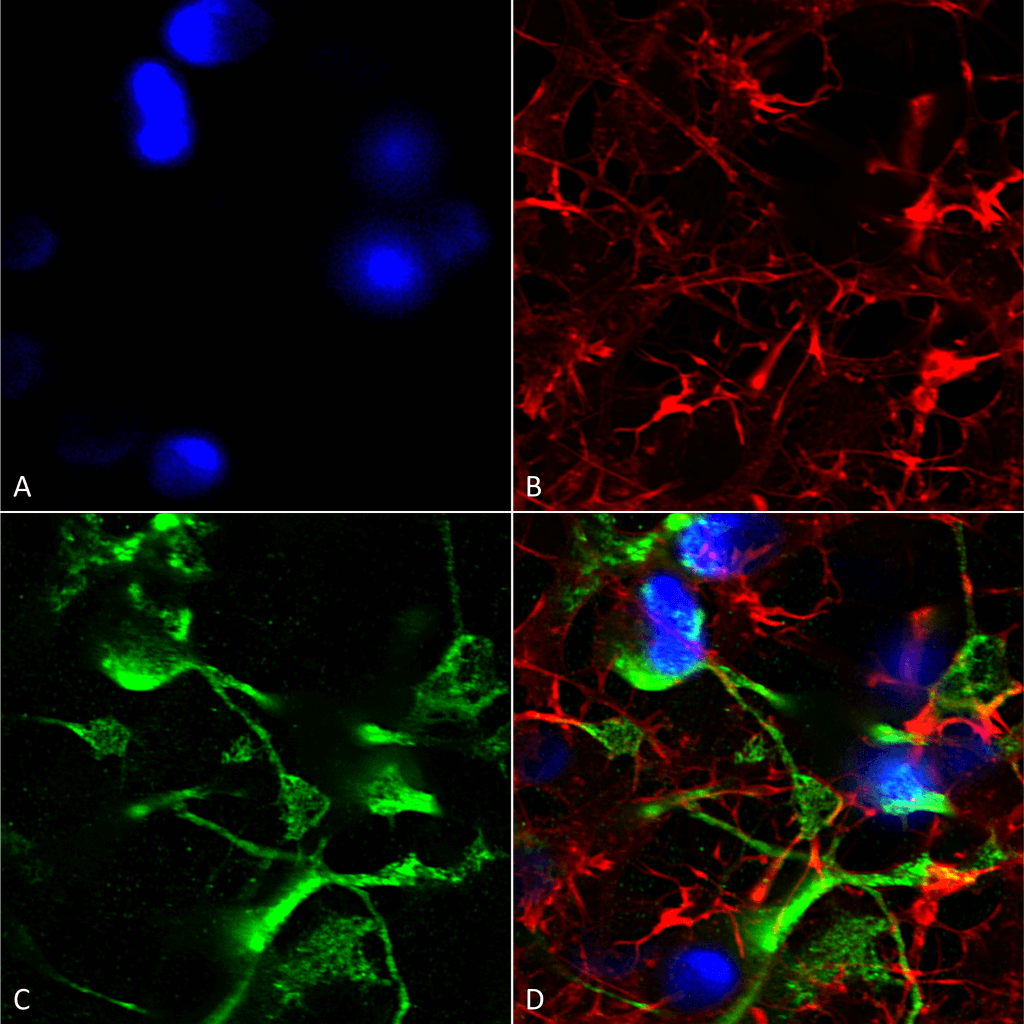
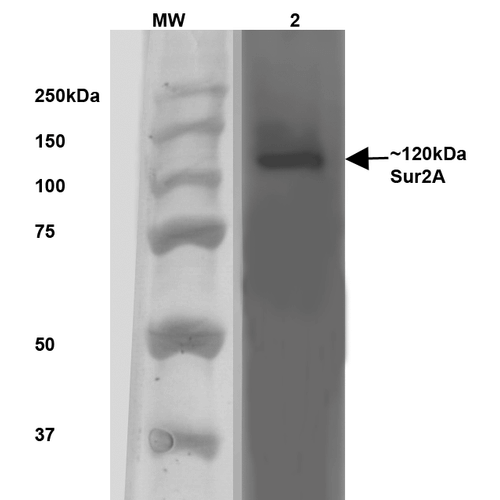
SUR2A Antibody, Clone N319A/14

Cannot supply to this region.
- SKU:
- SMC-431
- Additional Names:
- ABCC9, Sulfonylurea receptor 2, CMD10, ABC37, ATP-binding cassette transporter sub-family C member 9, Sulfonylurea receptor 2A, isoform SUR2A
- Application:
- IHC, WB, IF, ICC
- Concentration:
- 1 mg/ml
- Species Reactivity:
- Mouse
- Purification:
- Protein G Purified
- Storage Conditions:
- -20[o]C
- Supplier:
- StressMarq Biosciences
- Host:
- Mouse
- Reactivities:
- Human, Mouse, Rat
- ABP:
- IMP-GEN-2015-06 < 10% Serum <100ml
- Buffer:
- PBS pH7.4, 50% glycerol, 0.1% sodium azide
- Immunogen:
- Fusion protein amino acids 1505-1546 (SSIVDAGLVLVFSEGILVECDTGPNLLQHKNGLFSTLVMTNK, cytoplasmic C-terminus) of mouse SUR2A
- Clone:
- N319A/14 (Formerly sold as S319A-14)
- Uniprot:
- P70170
- Synonyms:
- AI414027;AI449286;ATP-binding cassette sub-family C member 9;ATP-binding cassette transporter sub-family C member 9;SU;sulfonylurea receptor 2;sulfonylurea-binding protein 2;SUR;Sur2;SUR2A;SUR2B
- Extra Details:
- Sulfonylurea receptor 2A (SUR2A), encoded by the ABCC9 gene, is a regulatory subunit of ATP-sensitive potassium (KATP) channels, which serve as metabolic sensors linking cellular energy status to membrane excitability. SUR2A partners with Kir6.1 or Kir6.2 subunits to form functional KATP channels, which open or close in response to intracellular ATP and ADP levels. This dynamic regulation allows cells to adapt to metabolic stress by modulating ion flux and electrical activity. While SUR2A is well-characterized in cardiac and skeletal muscle, its emerging role in the central nervous system is gaining attention. In neurons and glial cells, SUR2A-containing KATP channels help maintain ionic homeostasis, protect against excitotoxicity, and support mitochondrial function under stress conditions. These properties are particularly relevant in the context of neurodegenerative diseases, where energy failure, oxidative stress, and inflammation contribute to progressive neuronal loss. Recent studies suggest that SUR2A may influence neurovascular coupling, blood-brain barrier integrity, and neuronal survival pathways-making it a promising target for therapeutic intervention in disorders such as Alzheimer's disease, Parkinson's disease, and stroke. Modulating SUR2A activity could offer neuroprotective benefits by enhancing cellular resilience to metabolic and oxidative insults. Understanding the role of SUR2A in brain metabolism and neuroprotection is critical for advancing novel strategies in neurodegenerative disease research.
- Shipping Conditions:
- Blue Ice