
SMC-424
Synaptotagmin-7 Antibody, Clone N275/14

Cannot supply to this region.
- SKU:
- SMC-424
- Additional Names:
- IPCA-7, PCANAP7, Prostate cancer-associated protein 7, SYT-7, SYT7, Synaptotagmin 7, Synaptotagmin VII, SytVII
- Application:
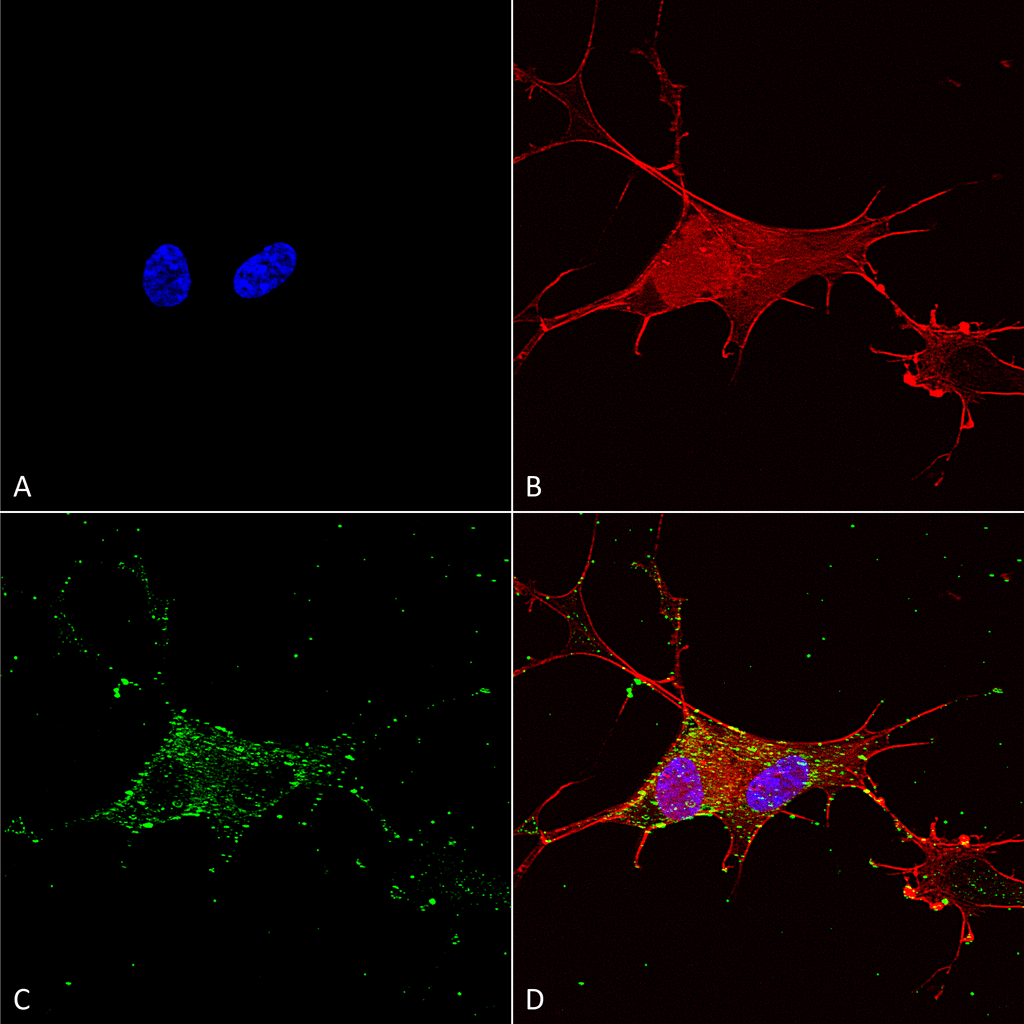
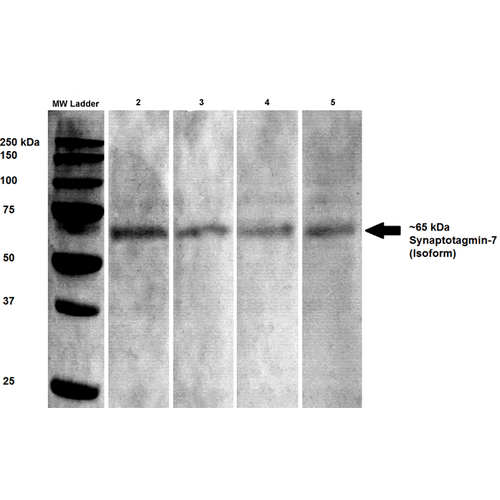
- IHC, WB, IF, ICC
- Concentration:
- 1 mg/ml
- Species Reactivity:
- Mouse
- Purification:
- Protein G Purified
- Storage Conditions:
- -20[o]C
- Supplier:
- StressMarq Biosciences
- Host:
- Mouse
- Reactivities:
- Human, Mouse, Rat
- ABP:
- IMP-GEN-2015-06 < 10% Serum <100ml
- Buffer:
- PBS pH7.4, 50% glycerol, 0.09% sodium azide
- Immunogen:
- Fusion protein amino acids 150-239 (Cytoplasmic C2A domain) of mouse Synaptotagmin-7
- Clone:
- N275/14 (Formerly sold as S275-14)
- Uniprot:
- Q9R0N7
- Synonyms:
- AI851541;B230112P13Rik;Synaptotagmin VII;synaptotagmin-7;sytVII
- Extra Details:
- Synaptotagmin 7 (SYT7) is a member of the synaptotagmin family, a group of membrane-trafficking proteins characterized by an N-terminal transmembrane domain and two C-terminal C2 domains (C2A and C2B) that mediate calcium-dependent interactions. Among the 15 known mammalian synaptotagmins, SYT7 plays a distinct role in regulating synaptic vesicle exocytosis, asynchronous neurotransmitter release, and synaptic plasticity. Unlike its counterparts that mediate fast, synchronous release, SYT7 is essential for sustained neurotransmission and vesicle replenishment during prolonged neuronal activity. It binds acidic phospholipids in a calcium-dependent manner and interacts with key synaptic proteins such as Stonin 2, neurexins, syntaxin, and AP2, influencing vesicle docking and fusion dynamics. Recent studies implicate SYT7 in neurodegenerative disease mechanisms, including Alzheimer's disease and Parkinson's disease, where synaptic dysfunction and impaired vesicle trafficking are early pathological features. Altered SYT7 expression or function may disrupt calcium signaling, neurotransmitter release, and synaptic maintenance, contributing to cognitive decline and neuronal vulnerability. Given its central role in calcium sensing and synaptic regulation, SYT7 is emerging as a promising target for therapeutic intervention in neurodegenerative disorders. Understanding SYT7's molecular interactions and regulatory mechanisms is critical for advancing strategies aimed at preserving synaptic integrity and neuronal communication in aging and disease.
- Shipping Conditions:
- Blue Ice