SMC-404
Ankyrin G Antibody, Clone N106/20

Cannot supply to this region.
- SKU:
- SMC-404
- Additional Names:
- Ankyrin G, Ankyrin-G, Ankyrin-3, Ankyrin 3, ANK3, ANK-3, Ankyrin 3 (G), Ankyrin G119, Ankryin G119, Brain-specific ankyrin G, CHANK3, Node of Ranvier (ankyrin G), Node of Ranvier, FLJ45464, OTTHUMP00000217458, OTTHUMP00000217575, RP11-369L1.1
- Application:
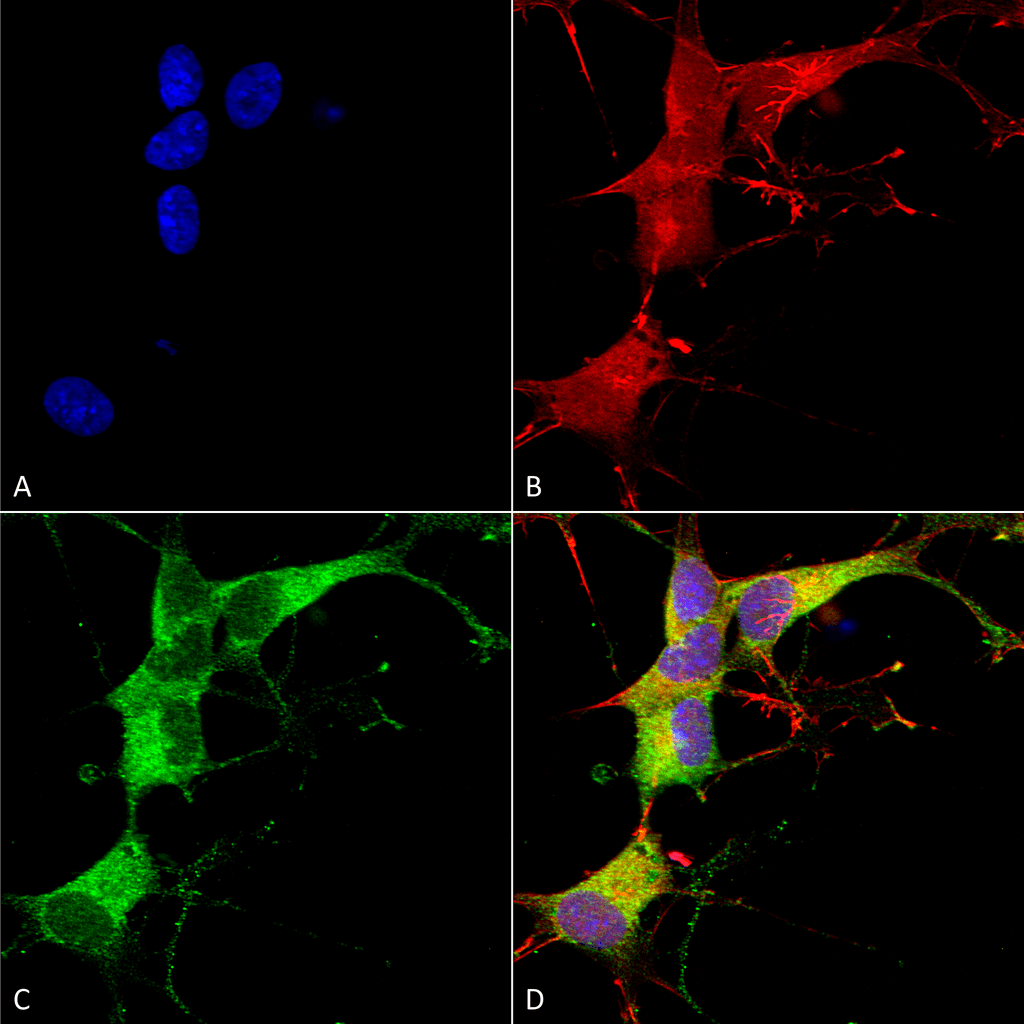
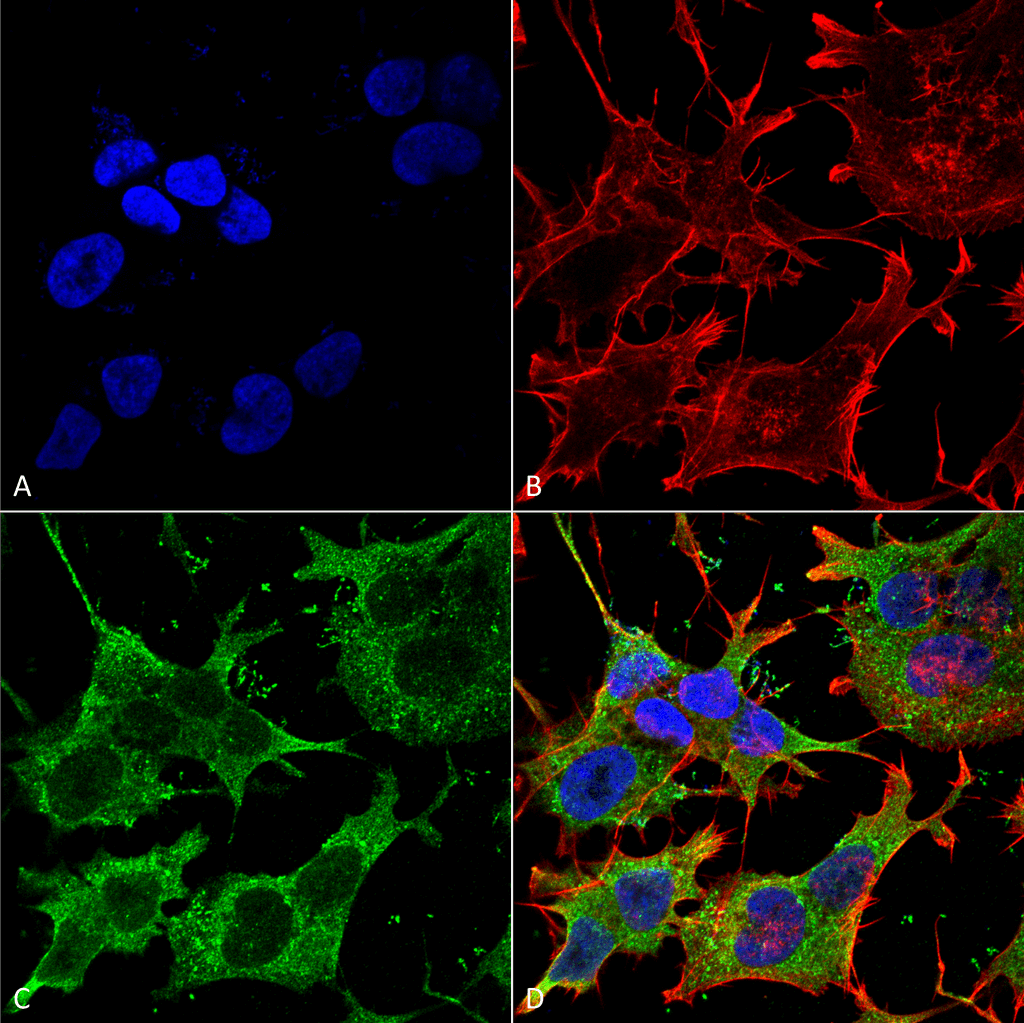
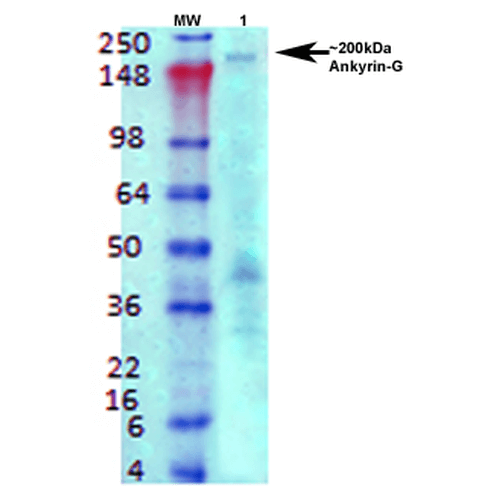
- WB, IF, ICC
- Concentration:
- 1 mg/ml
- Species Reactivity:
- Human
- Purification:
- Protein G Purified
- Storage Conditions:
- -20[o]C
- Supplier:
- StressMarq Biosciences
- Host:
- Mouse
- Reactivities:
- Human, Mouse, Rat
- ABP:
- IMP-GEN-2015-06 < 10% Serum <100ml
- Buffer:
- PBS pH7.4, 50% glycerol, 0.09% sodium azide
- Immunogen:
- Fusion protein 1000 C-terminal amino acids of human Ankyrin G (also known as ANK-3 or ankyrin-3) encompassing all of Ankyrin G with the exception of Ankyrin repeats
- Clone:
- N106/20 (Formerly sold as S106-20)
- Uniprot:
- Q12955
- Synonyms:
- ankyrin 3, node of Ranvier (ankyrin G);ankyrin-3;ANKYRIN-G;MRT37
- Extra Details:
- Ankyrin-G (ANK3) is a critical scaffolding protein that anchors integral membrane proteins to the spectrin-actin cytoskeleton, ensuring the structural and functional integrity of excitable cells, particularly neurons. It binds to the B Beta-spectrin subunit and a wide array of membrane proteins, including voltage-gated sodium channels, potassium channels, and cell adhesion molecules, orchestrating their precise localization at the axon initial segment (AIS) and nodes of Ranvier. In the central nervous system, Ankyrin-G plays a pivotal role in maintaining neuronal polarity, regulating action potential initiation, and preserving synaptic stability. Disruption of Ankyrin-G function leads to mislocalization of ion channels and cytoskeletal disorganization, contributing to impaired neuronal signaling. Emerging evidence links ANK3 mutations and dysregulation to a spectrum of neuropsychiatric and neurodegenerative disorders, including bipolar disorder, schizophrenia, epilepsy, and Alzheimer's disease. In Alzheimer's models, Ankyrin-G dysfunction has been associated with AIS disassembly and increased neuronal vulnerability, suggesting a mechanistic link between cytoskeletal breakdown and neurodegeneration. Given its central role in neuronal architecture and excitability, Ankyrin-G is increasingly recognized as a potential biomarker and therapeutic target in neurodegenerative disease research. Understanding its molecular interactions and regulatory mechanisms is essential for developing strategies to preserve neuronal function and prevent disease progression.
- Shipping Conditions:
- Blue Ice