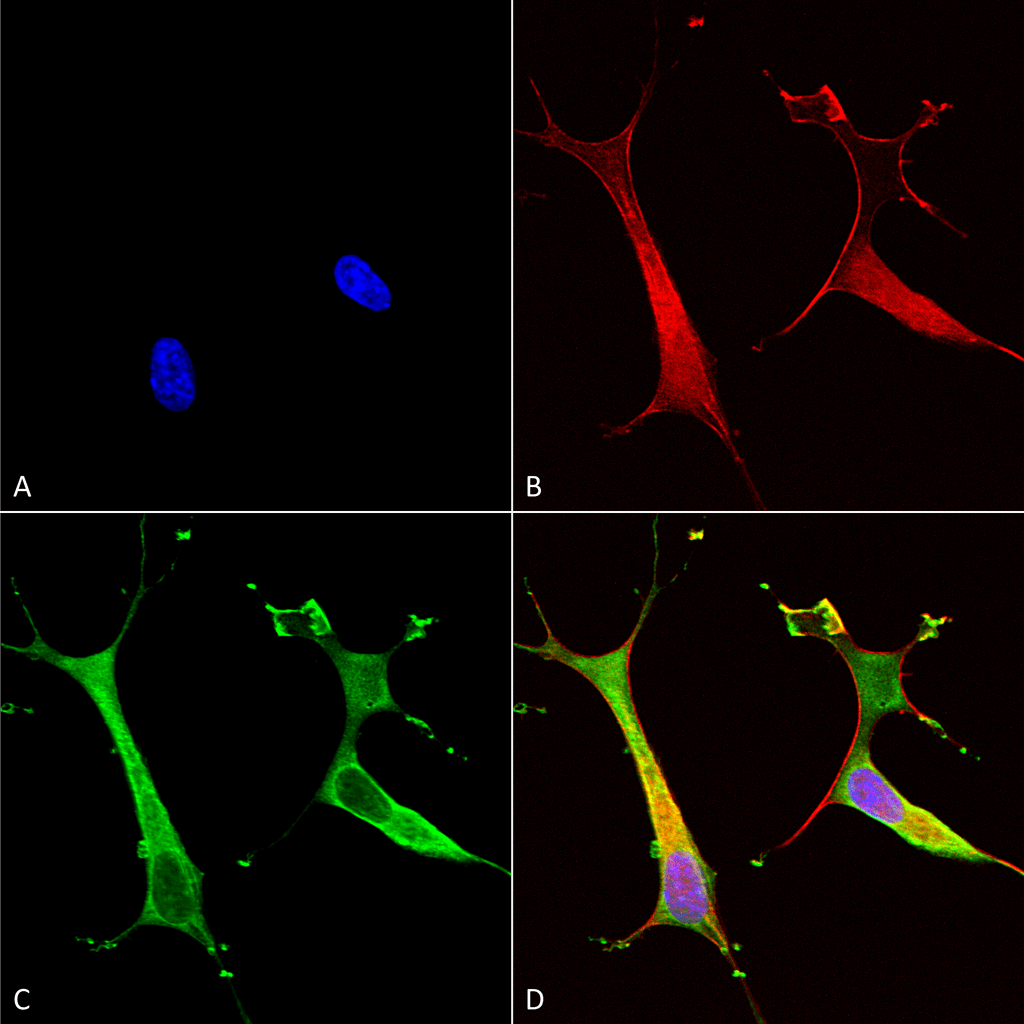


SMC-399D-APC
ATP7B Antibody, Clone L62/29: APC

Cannot supply to this region.
- SKU:
- SMC-399D-APC
- Additional Names:
- ATP7B, ATPase Cu++ transporting beta polypeptide, ATPase Cu(2+) transporting beta polypeptide, Copper pump 2, Copper transporting ATPase 2, PWD, Toxic milk, tx, WC1, WD, Wilson disease associated protein, WND, WND/140 kDa
- Application:
- IHC, WB, IF, ICC, IP
- Concentration:
- 1 mg/ml
- Species Reactivity:
- Human
- Purification:
- Protein G Purified
- Storage Conditions:
- See Manual
- Supplier:
- StressMarq Biosciences
- Host:
- Mouse
- Reactivities:
- Human, Mouse, Rat
- ABP:
- IMP-GEN-2015-06 < 10% Serum <100ml
- Buffer:
- 95.46mM Phosphate, 2.48mM MES and 2mM EDTA
- Immunogen:
- Synthetic peptide amino acids 3-21 (cytoplasmic N-terminus) of human Copper-transporting ATPase2
- Clone:
- L62/29 (Formerly sold as S62-29)
- Uniprot:
- B7ZLR4
- Synonyms:
- ATPase, Cu(2+)- transporting, beta polypeptide;ATPase, Cu++ transporting, beta polypeptide;copper pump 2;copper-transporting ATPase 2;copper-transporting protein ATP7B;PWD;WC1;WD;Wilson disease-associated protein;WND
- Extra Details:
- ATP7B is a copper-transporting P-type ATPase critical for maintaining systemic and neuronal copper balance. Working in tandem with ATP7A, ATP7B facilitates the sequestration of intracellular copper into the vesicular secretory pathway, enabling its export and preventing toxic accumulation. This function is essential for copper detoxification, particularly in the liver, where ATP7B mediates biliary copper excretion. ATP7B operates by using ATP hydrolysis to transport copper ions across cellular membranes. Three isoforms of the ATP7B gene have been identified: isoform A is expressed in the liver, kidney, and brain; isoform B is brain-specific; and the WND/140 kDa isoform localizes to mitochondria, suggesting a role in mitochondrial copper regulation and oxidative stress response. Mutations in ATP7B cause Wilson disease, a rare autosomal recessive disorder characterized by copper accumulation in the liver and brain. Neurological manifestations include tremors, dystonia, psychiatric disturbances, and cognitive decline-highlighting the protein's importance in neural function and copper detoxification. In neuroscience, ATP7B is increasingly recognized for its role in protecting neurons from copper-induced oxidative damage, a contributing factor in neurodegenerative diseases such as Alzheimer's and Parkinson's. Dysregulation of ATP7B may exacerbate mitochondrial dysfunction and protein aggregation, linking copper imbalance to broader neurodegenerative mechanisms. As a key regulator of copper metabolism, ATP7B represents a promising target for therapeutic strategies aimed at restoring metal homeostasis in neurodegenerative disease.
- Shipping Conditions:
- Blue Ice