SMC-343D-APC
TRPC7 Antibody, Clone N64A/36: APC

Cannot supply to this region.
- SKU:
- SMC-343D-APC
- Additional Names:
- TRP7, KNP3, TRPM2, transient receptor potential cation channel subfamily C member 7
- Application:
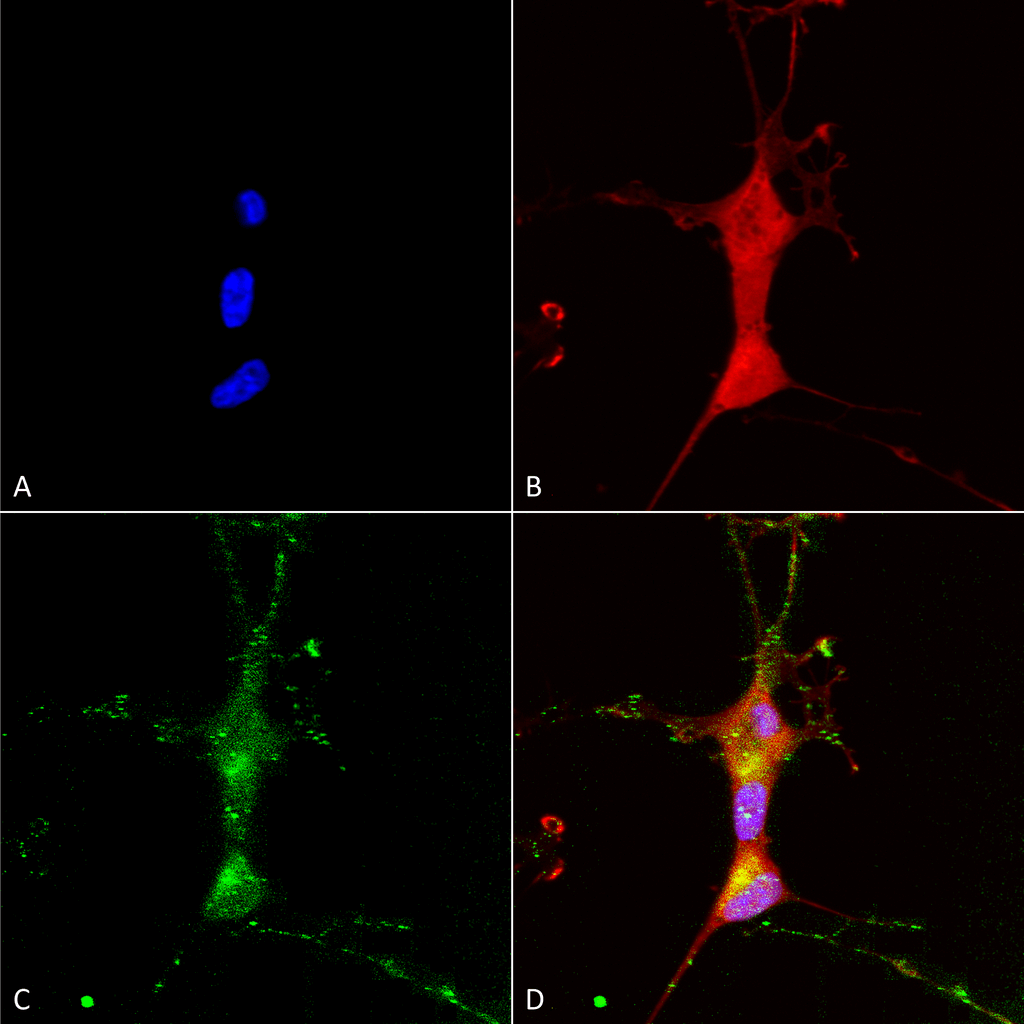
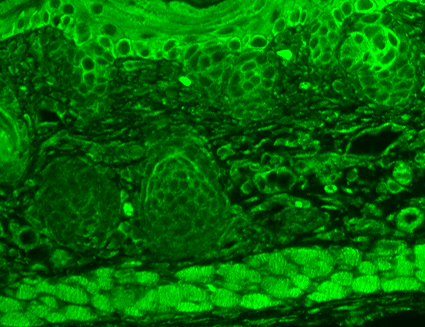
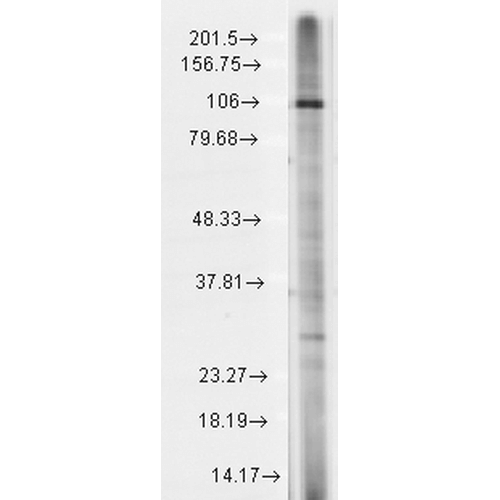
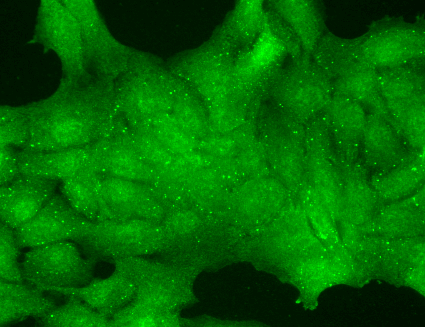
- IHC, WB, IF, ICC, IP, Microarray
- Concentration:
- 1 mg/ml
- Species Reactivity:
- Human
- Purification:
- Protein G Purified
- Storage Conditions:
- See Manual
- Supplier:
- StressMarq Biosciences
- Host:
- Mouse
- Reactivities:
- Human, Mouse, Rat
- ABP:
- IMP-GEN-2015-06 < 10% Serum <100ml
- Buffer:
- 95.46mM Phosphate, 2.48mM MES and 2mM EDTA
- Immunogen:
- Synthetic peptide amino acids 845-862 of human TRPC7
- Clone:
- N64A/36 (Formerly sold as S64A-36)
- Uniprot:
- Q9HCX4
- Synonyms:
- likley ortholog of mouse transient receptor potential cation channel, subfamily C, member 7;putative capacitative calcium channel;short transient receptor potential channel 7;transient receptor protein 7;TRP7
- Extra Details:
- Transient Receptor Potential Canonical 7 (TRPC7) is a member of the TRP channel superfamily, functioning as a non-selective, calcium-permeable cation channel. Activated by diacylglycerol (DAG) in a receptor-operated manner, TRPC7 plays a key role in calcium signaling, a process fundamental to neuronal excitability, synaptic plasticity, and cell survival. TRPC7 is expressed in various tissues, including the brain, where it contributes to intracellular calcium homeostasis and neuronal signaling cascades. Although historically less studied than other TRP channels, emerging evidence suggests that TRPC7 may influence neurophysiological processes such as neurotransmitter release, neuroinflammation, and oxidative stress responses-mechanisms that are critically involved in the pathogenesis of neurodegenerative diseases. Aberrant TRPC7 activity has been linked to dysregulated calcium influx, which can trigger excitotoxicity, mitochondrial dysfunction, and apoptotic pathways in neurons. These cellular stress responses are hallmarks of neurodegenerative conditions such as Alzheimer's disease, Parkinson's disease, and amyotrophic lateral sclerosis (ALS). Additionally, TRPC7 may interact with other TRP family members to form heteromeric channels, potentially modulating its function in disease-specific contexts. As a modulator of calcium dynamics and neuronal health, TRPC7 represents a promising but underexplored target in neuroscience and neurodegeneration research. Further investigation into its expression patterns, regulatory mechanisms, and pathological roles may uncover novel therapeutic strategies aimed at restoring calcium balance and preventing neuronal loss.
- Shipping Conditions:
- Blue Ice