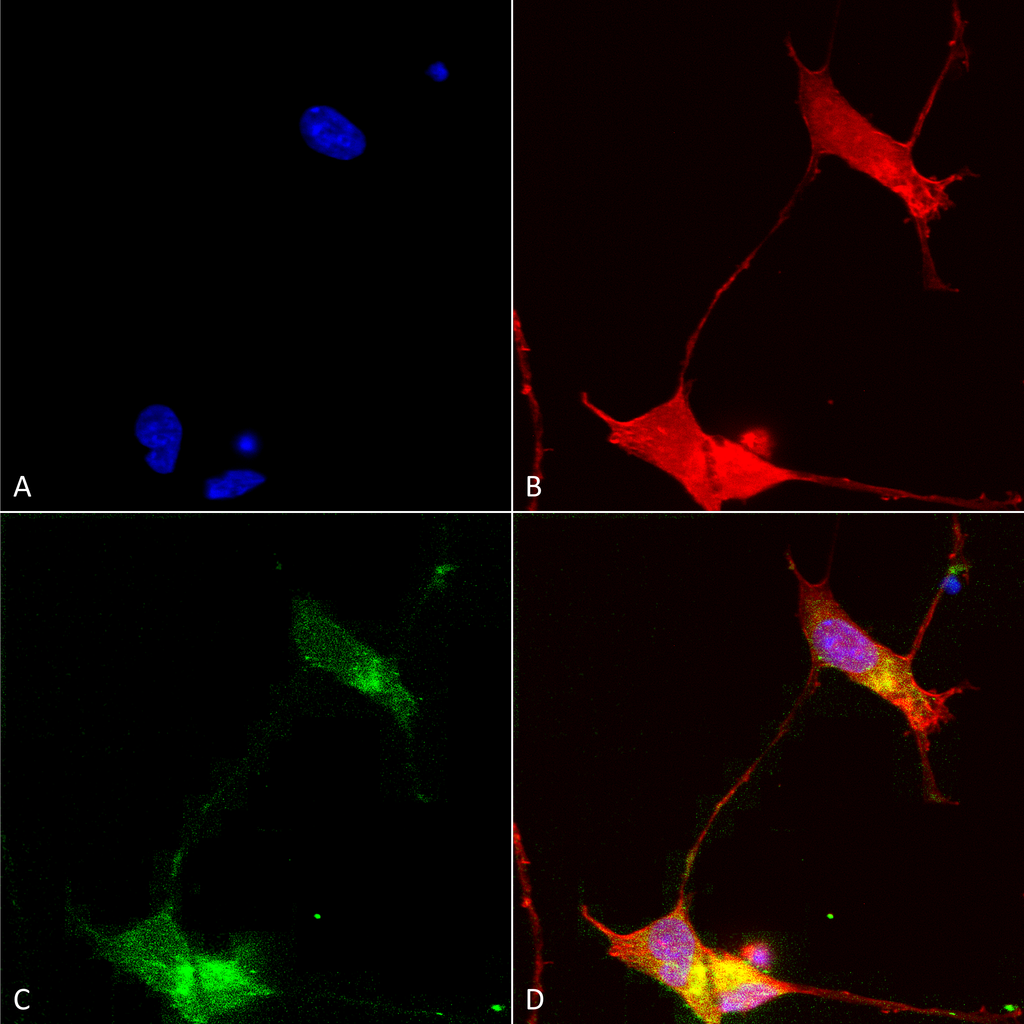
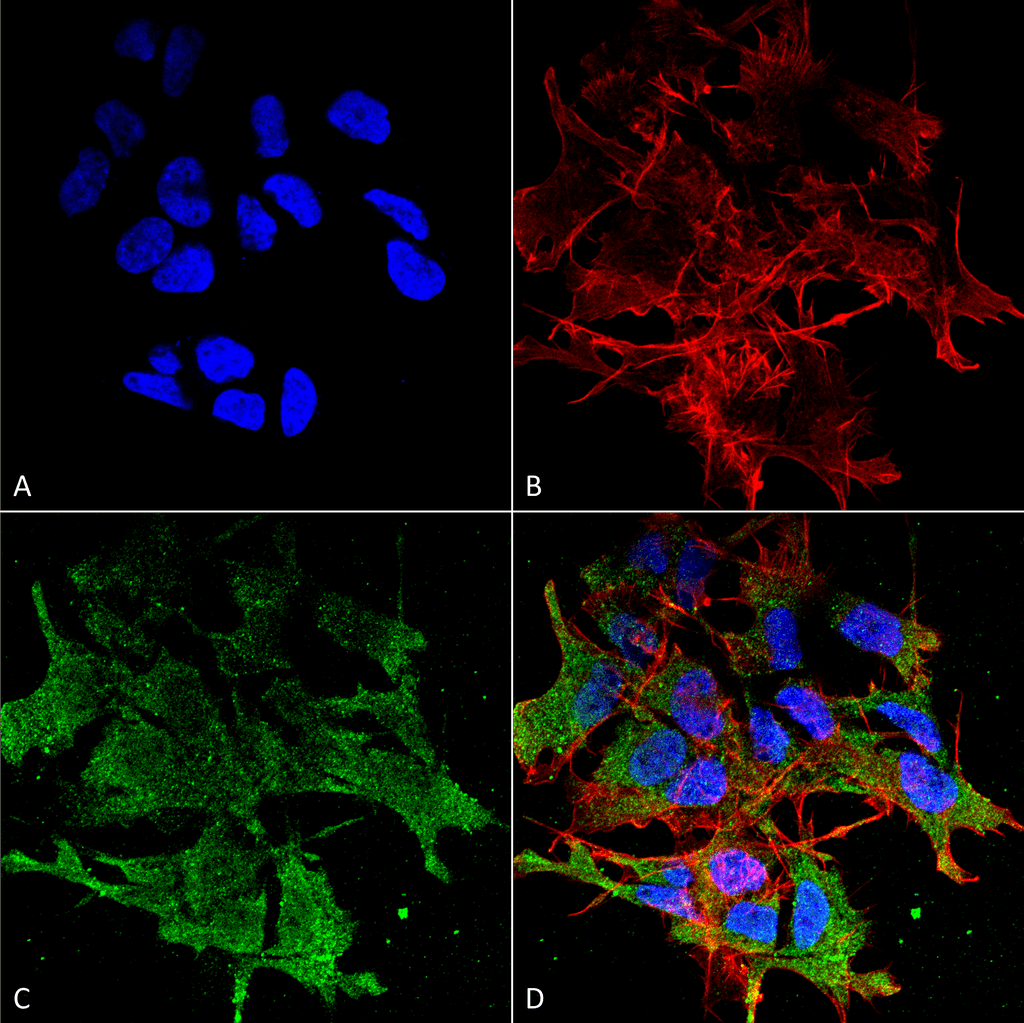
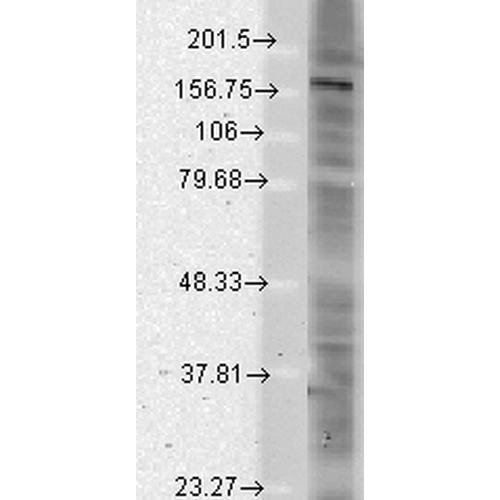
SMC-327
SHANK Antibody, Clone N23b/49

Cannot supply to this region.
- SKU:
- SMC-327
- Additional Names:
- Cortactin binding protein 1, Cortactin SH3 domain-binding protein, Cortactin-binding protein 1, CortBP1, CTTNBP1, GKAP/SAPAP interacting protein, GKAP/SAPAP-interacting protein, KIAA1022, Proline rich synapse associated protein 1, Proline-rich synapse-associated protein 1, ProSAP1, SH3 and multiple ankyrin repeat domains protein 2, SHAN2_RAT, Shank2, SPANK-3
- Application:
- IHC, WB, IF, ICC, IP, Microarray
- Concentration:
- 1 mg/ml
- Species Reactivity:
- Rat
- Purification:
- Protein G Purified
- Storage Conditions:
- -20[o]C
- Supplier:
- StressMarq Biosciences
- Host:
- Mouse
- Reactivities:
- Human, Mouse, Rat
- ABP:
- IMP-GEN-2015-06 < 10% Serum <100ml
- Buffer:
- PBS pH7.4, 50% glycerol, 0.09% sodium azide
- Immunogen:
- Fusion protein amino acids 84-309 of rat Shank2
- Clone:
- N23b/49 (Formerly sold as S23b-49)
- Uniprot:
- Q9QX74
- Synonyms:
- cortactin-binding protein 1;CortBP1;GKAP/SAPAP-interacting protein;proline-rich synapse-associated protein 1;ProSAP1;SH3 and multiple ankyrin repeat domains protein 2;SH3 and multiple ankyrin repeat domains protein 2-like;SH3/ankyrin domain gene 2;Spank-3
- Extra Details:
- SHANK proteins are a family of postsynaptic scaffolding proteins that organize receptor and signaling complexes at excitatory synapses. They contain multiple protein interaction domains, including ankyrin repeats, SH3, PDZ, and SAM domains, enabling them to link neurotransmitter receptors to the actin cytoskeleton. SHANK proteins regulate synaptic strength, dendritic spine morphology, and receptor trafficking. Disruption of SHANK-mediated scaffolding impairs glutamate receptor localization and contributes to synaptic loss-a key feature of Alzheimer's disease. SHANK family members also influence receptor tyrosine kinase signaling and are involved in neurodevelopmental processes. Their dysregulation has been associated with autism spectrum disorders, schizophrenia, and intellectual disability, making them central to both neurodevelopmental and neurodegenerative research.
- Shipping Conditions:
- Blue Ice