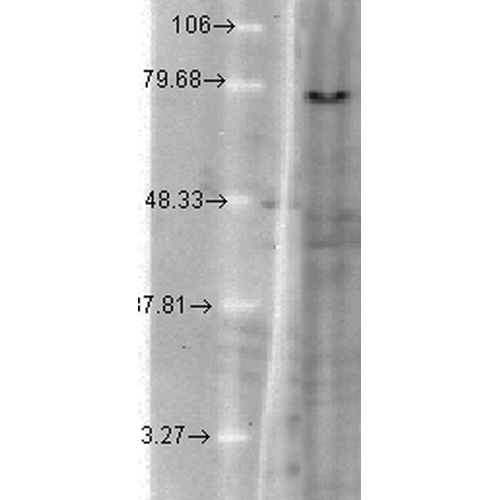
SMC-307
KCNQ1 Antibody, Clone N37A/10

Cannot supply to this region.
- SKU:
- SMC-307
- Additional Names:
- KCNQ1, Kv7.1, KVLQT1, Potassium voltage-gated channel subfamily KQT member 1, Voltage-gated potassium channel subunit Kv7.1, KQT-like 1, IKs producing slow voltage-gated potassium channel subunit alpha, Slow delayed rectifier channel subunit, ATFB1, ATFB3, FLJ26167, JLNS1, KCNA8, KCNA9, KCNQ1_HUMAN, Kidney and cardiac voltage dependent K+ channel, Kv1.9, Long (electrocardiographic) QT syndrome, LQT, LQT1, RWS, SQT2, Ward-Romano syndrome 1
- Application:
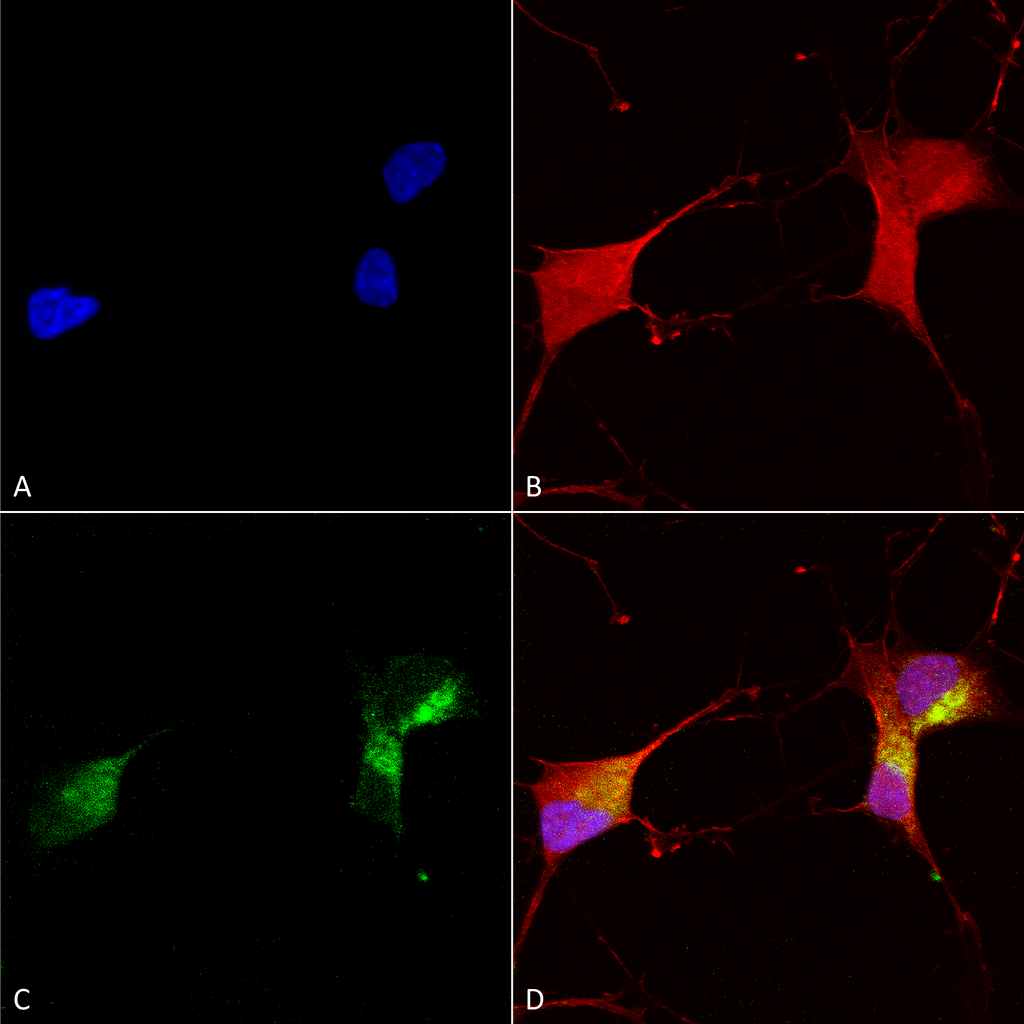
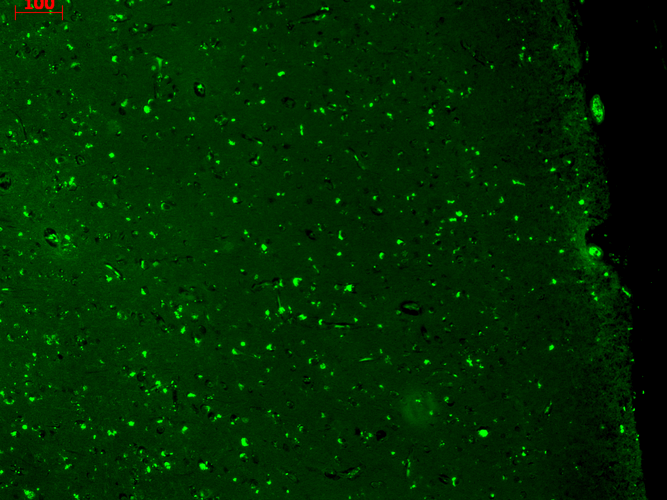
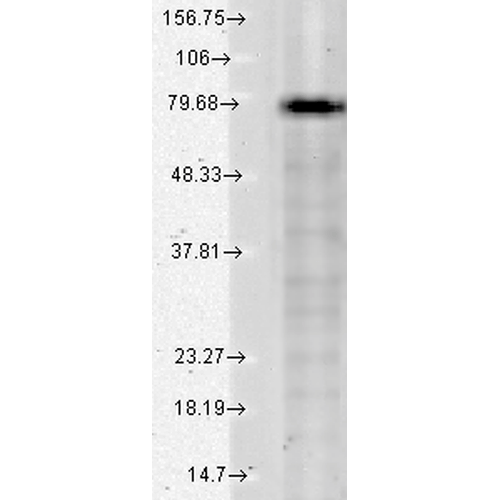
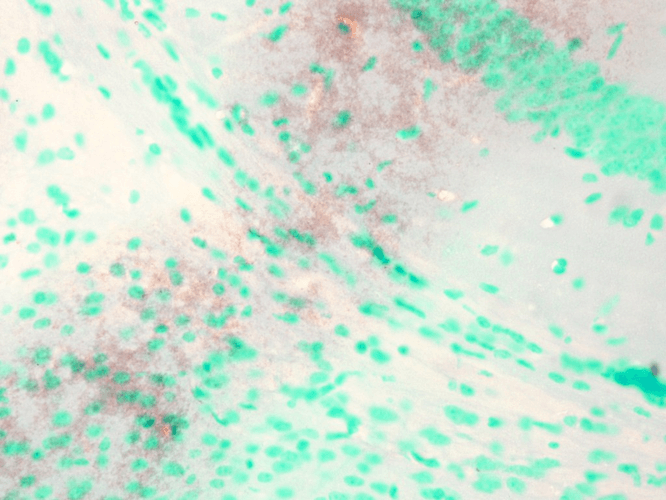
- IHC, WB, IF, ICC, IP, Microarray
- Concentration:
- 1 mg/ml
- Species Reactivity:
- Human
- Purification:
- Protein G Purified
- Storage Conditions:
- -20[o]C
- Supplier:
- StressMarq Biosciences
- Host:
- Mouse
- Reactivities:
- Hamster, Human, Mouse, Rat
- ABP:
- IMP-GEN-2015-06 < 10% Serum <100ml
- Buffer:
- PBS pH7.4, 50% glycerol, 0.09% sodium azide
- Immunogen:
- Fusion protein amino acids 2-101 of human KCNQ1
- Clone:
- N37A/10 (Formerly sold as S37A-10)
- Uniprot:
- P51787
- Synonyms:
- ATFB1;ATFB3;IKs producing slow voltage-gated potassium channel subunit alpha KvLQT1;JLNS1;KCNA8;KCNA9;kidney and cardiac voltage dependend K+ channel;KQT-like 1;Kv1.9;Kv7.1;KVLQT1;LQT;LQT1;potassium channel, voltage gated KQT-like subfamily Q, member 1;potassium voltage-gated channel subfamily KQT member 1;potassium voltage-gated channel, KQT-like subfamily, member 1;RWS;slow delayed rectifier channel subunit;SQT2;voltage-gated potassium channel subunit Kv7.1;WRS
- Extra Details:
- KCNQ1 encodes the Kv7.1 potassium channel, a voltage-gated protein best known for its role in cardiac electrophysiology. In cardiac myocytes, Kv7.1 mediates the slow delayed rectifier potassium current (IKs), which is essential for repolarization and termination of the cardiac action potential. However, its expression in non-cardiac tissues, including inner ear neurons and select brain regions, suggests broader physiological relevance. Recent research has begun to uncover Kv7.1's potential role in the nervous system, particularly in regulating neuronal excitability and maintaining ionic homeostasis. Potassium channels like Kv7.1 are critical for shaping action potentials, modulating synaptic transmission, and protecting neurons from hyperexcitability and excitotoxicity-key features implicated in neurodegenerative disease progression. Although less studied than other Kv7 family members in the brain, KCNQ1's presence in neural tissue raises important questions about its contribution to auditory processing, neurodevelopment, and neurodegeneration. Dysregulation of potassium channel activity has been linked to disorders such as epilepsy, Alzheimer's disease, and Parkinson's disease, where altered ion channel function disrupts neural signaling and accelerates neuronal loss. As neuroscience research expands its focus on ion channelopathies, KCNQ1 is emerging as a candidate for further investigation. Understanding its role in neural circuits may reveal novel therapeutic strategies for restoring electrical balance and preventing neurodegenerative decline.
- Shipping Conditions:
- Blue Ice