600-401-X52
4EBP1 Antibody

Cannot supply to this region.
- SKU:
- 600-401-X52
- Additional Names:
- 4E-BP1 Antibody, BP-1, 4EBP1, 4E-BP1, PHAS-I, Eukaryotic translation initiation factor 4E-binding protein 1, Phosphorylated heat- and acid-stable protein regulated by insulin 1|EIF4EBP1
- Application:
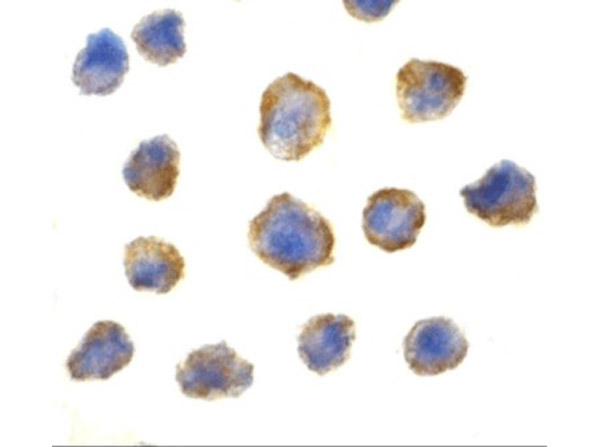
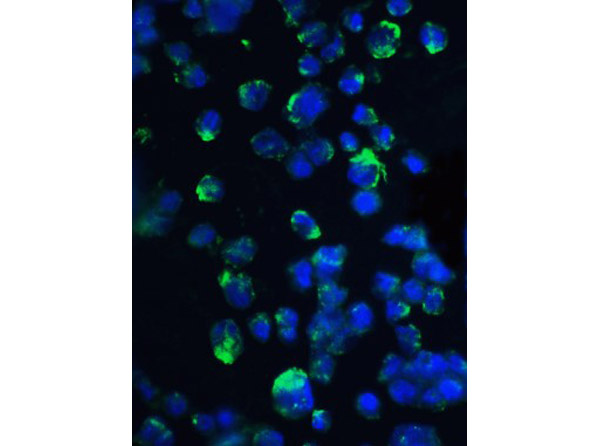
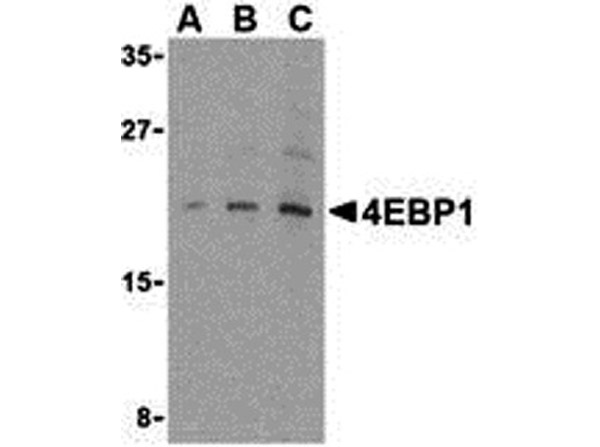
- ELISA, IHC, WB, IF
- Concentration:
- 1 mg/ml
- Physical State:
- Liquid
- Species Reactivity:
- Human
- Storage Conditions:
- -20[o]C aliquoted. Aliquot. Avoid freeze/thaw cycles., 2-8[o]C diluted. Aliquot. Avoid freeze/thaw cycles.
- Supplier:
- Rockland Inc
- Host:
- Rabbit
- Reactivities:
- Human, Mouse
- Buffer:
- 0.01 M Sodium Phosphate, 0.25 M Sodium Chloride
- Immunogen:
- Anti-4EBP1 antibody was prepared from whole rabbit serum produced by repeated immunizations with a 14 amino acid synthetic peptide from near the C-terminus of human 4EBP1.
- Formulation:
- 0.01 M Sodium Phosphate, 0.25 M Sodium Chloride, pH 7.2
- Uniprot:
- Q13541
- Synonyms:
- 4E-BP1;4EBP1;BP-1;eIF4E-binding protein 1;eukaryotic translation initiation factor 4E-binding protein 1;PHAS-I;phosphorylated heat- and acid-stable protein regulated by insulin 1
- Extra Details:
- The translation of mRNA in eukaryotic cells is regulated by the presence of amino acids through multiple mechanisms. One such mechanism involves the evolutionarily conserved serine/threonine kinase TOR (Target of rapamycin, also known as mTOR), which regulates cell growth and cell cycle through its ability to integrate signals from nutrient levels and growth factors. One downstream target of TOR is the eukaryotic initiation factor 4E binding protein 1 (4E-BP1) whose phosphorylation prevents its association with eIF4E, preferentially stimulating translation of mRNAs containing long, highly structured 5'-UTRs. Rapamycin inhibits TOR resulting in reduced cell growth and reduced rates of cell cycle and cell proliferation, at least in part by inhibiting the activity of TOR towards 4E-BP1.
- Shipping Conditions:
- Dry Ice