600-401-R18
SLC22A6/OAT1 Antibody

Cannot supply to this region.
- SKU:
- 600-401-R18
- Additional Names:
- Organic anion transporter 1,|SLC22A6
- Application:
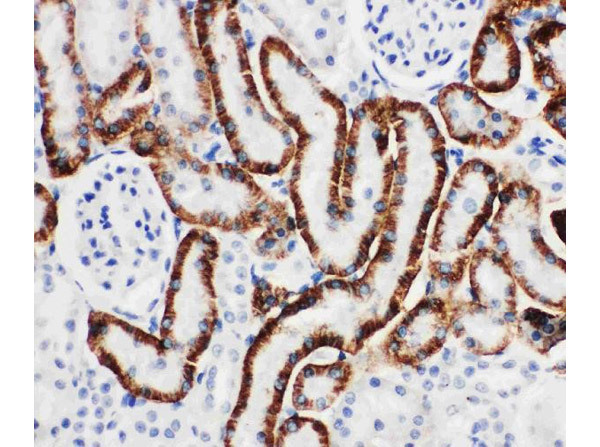
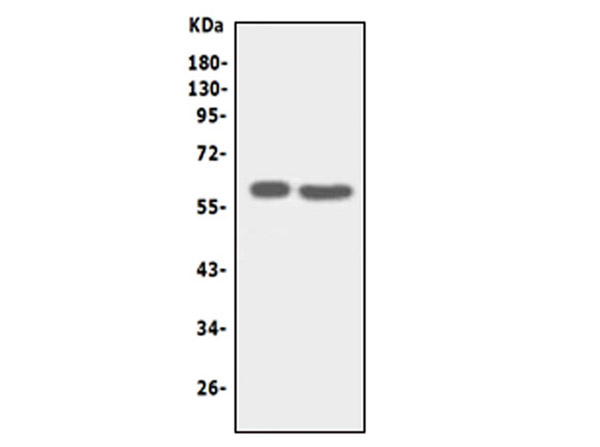
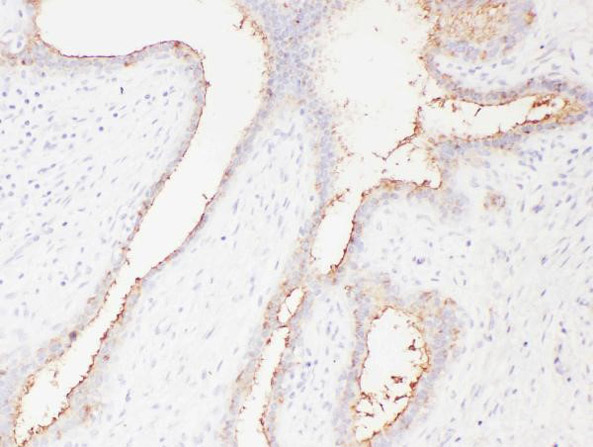
- IHC, WB
- Concentration:
- 0.5 mg/ml
- Physical State:
- Lyophilized
- Species Reactivity:
- Human
- Storage Conditions:
- Please refer to datasheet
- Supplier:
- Rockland Inc
- Host:
- Rabbit
- Reactivities:
- Human, Rat
- Buffer:
- 0.9mg NaCl, 0.2mg Na2HPO4, 0.05mg NaN3
- Immunogen:
- SLC22A6/OAT1 affinity purified antibody was prepared from whole rabbit serum produced by repeated immunizations with a synthetic peptide corresponding to a sequence at the C-terminal of human SLC22A6/OAT1.
- Formulation:
- 0.9mg NaCl, 0.2mg Na2HPO4, 0.05mg NaN3
- Uniprot:
- Q4U2R8
- Synonyms:
- HOAT1;hPAHT;hROAT1;OAT1;organic anion transporter 1;PAH transporter;PAHT;para-aminohippurate transporter;renal organic anion transporter 1;ROAT1;solute carrier family 22 (organic anion transporter), member 6;solute carrier family 22 member 6
- Extra Details:
- SLC22A6(Solute carrier family 22 (organic anion transporter), member 6), also called OAT1 or PAHT, is a protein that in humans is encoded by the SLC22A6 gene, which is also a member of the organic anion transporter (OAT) family of proteins. OAT1 is a transmembrane protein that is expressed in the brain, the placenta, the eyes, smooth muscles, and the basolateral membrane of proximal tubular cells of the kidneys. The SLC22A6 gene is mapped on 11q12.3. It plays a central role in renal organic anion transport. Along with OAT3, OAT1 mediates the uptake of a wide range of relatively small and hydrophilic organic anions from plasma into the cytoplasm of the proximal tubular cells of the kidneys. The SLC22A6 gene contains 10 exons and spans 8.2 kb. OAT1 functions as organic anion exchanger. When the uptake of one molecule of an organic anion is transported into a cell by an OAT1 exchanger, one molecule of an endogenous dicarboxylic acid (such as glutarate, ketoglutarate, etc) is simultaneously transported out of the cell. PAH uptake in Xenopus oocytes injected with OAT1 mRNA was demonstrated by Race et al. This antibody is suitable for researchers interested in cancer research.
- Shipping Conditions:
- Ambient