GTX85430
TEM1 antibody

Cannot supply to this region.
- SKU:
- GTX85430
- Additional Names:
- CD248 molecule , CD164L1 , TEM1
- Application:
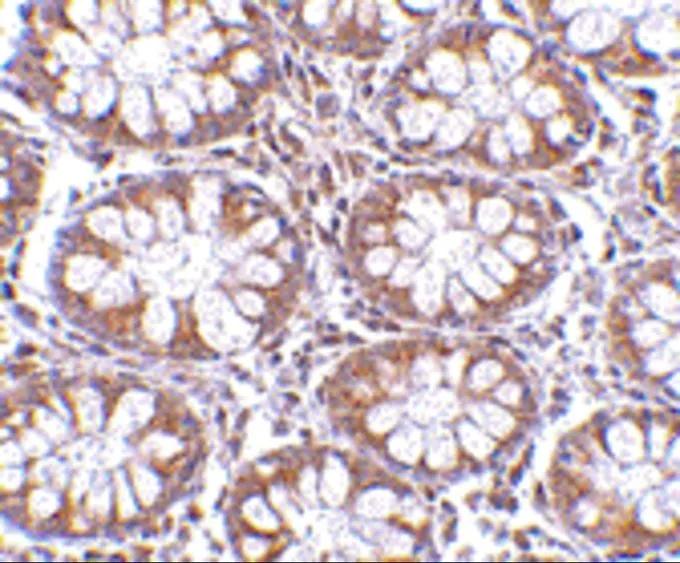
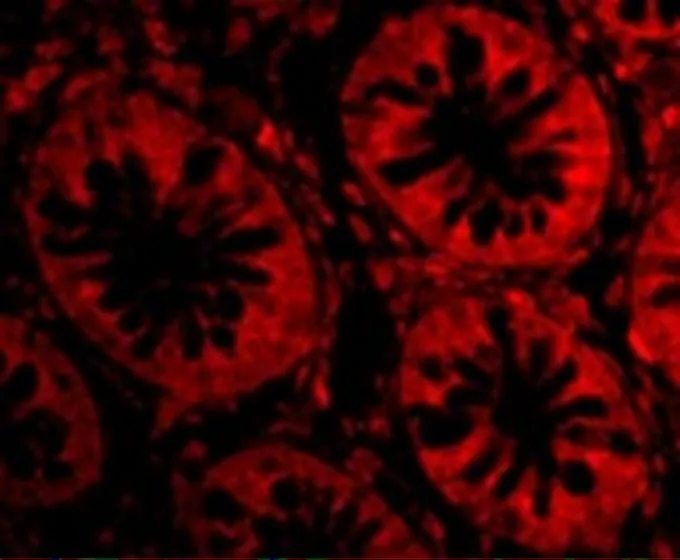
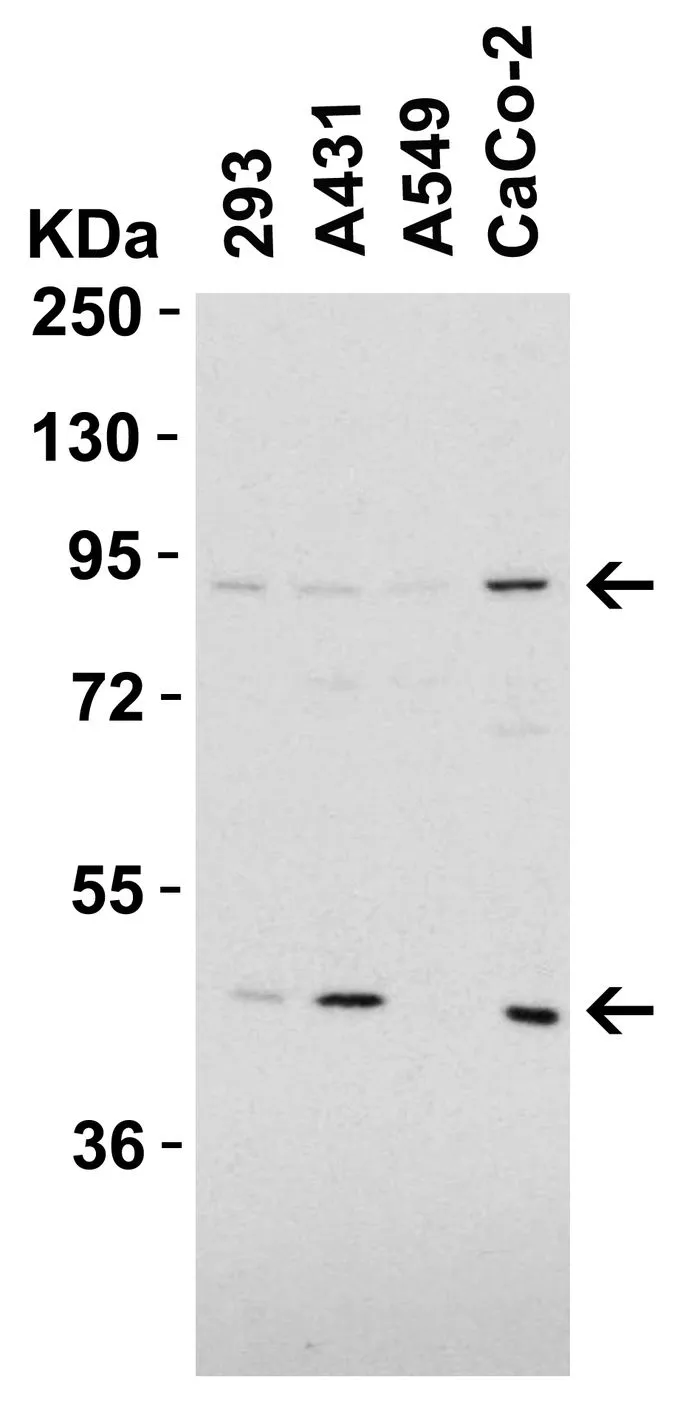
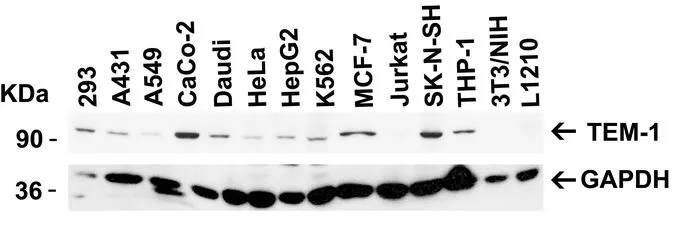
- ELISA, WB, IHC-P
- Concentration:
- 1 mg/ml
- Physical State:
- Liquid
- Species Reactivity:
- Human
- Purification:
- Affinity Purified
- Storage Conditions:
- -20[o]C Aliquot. Avoid freeze/thaw cycles. Store undiluted., 2-8[o]C Aliquot. Avoid freeze/thaw cycles. Store undiluted., -20[o]C/-70[o]C Aliquot. Avoid freeze/thaw cycles. Store undiluted.
- Supplier:
- Genetex
- Host:
- Rabbit
- Reactivities:
- Human
- Buffer:
- PBS, 0.02% Sodium azide.
- Immunogen:
- TEM1 antibody was raised against a 14 amino acid synthetic peptide near the carboxy terminus of the human TEM1.The immunogen is located within the last 50 amino acids of TEM1.
- Uniprot:
- Q9HCU0
- Synonyms:
- 2610111G01Rik;CD164 sialomucin-like 1;CD164L1;CD248 antigen, endosialin;CD248 molecule, endosialin;endosialin;TEM1;tumor endothelial marker 1
- Extra Details:
- Tumor endothelial marker (TEM) 1 was originally identified as a human embryonic fibroblast-specific antigen and was later determined to be endosialin, a single-pass transmembrane glycoprotein that has multiple extracellular domains, including three EGF-like domains, a sushi-like domain, and a C lectin-like domain. TEM proteins are significantly up-regulated during angiogenesis and neoangiogenesis that are crucial for the growth of solid tumors. While TEM1 is not required for angiogenesis during fetal development, postnatal growth or wound healing, it plays a role in tumor growth, invasion, and metastasis. Fibronectin and collagen types I and IV act as specific ligands of TEM1, leading to suggestions that these molecules may cause changes in the extracellular matrix, cell adhesion and migration during tumor invasion. At least two isoforms of TEM1 are known to exist; this antibody recognizes both isoforms.
- Shipping Conditions:
- Blue Ice