GTX80493
Kir6.2 antibody, N-term

Cannot supply to this region.
- SKU:
- GTX80493
- Additional Names:
- potassium voltage-gated channel subfamily J member 11 , BIR , HHF2 , IKATP , KIR6.2 , MODY13 , PHHI , TNDM3
- Application:
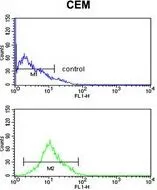
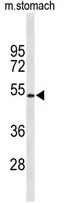
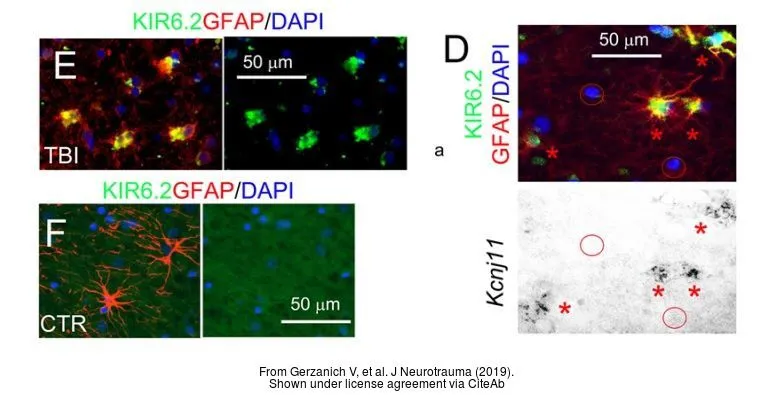
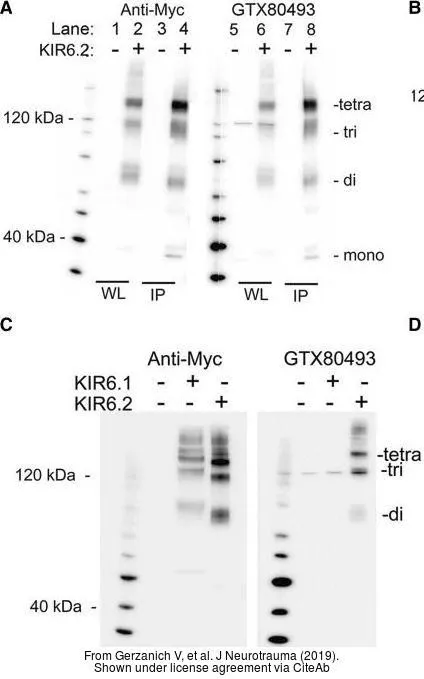
- Flow Cytometry, WB, IHC-Fr
- Physical State:
- Liquid
- Species Reactivity:
- Human
- Purification:
- Affinity Purified; Protein A Purified
- Storage Conditions:
- -20[o]C Aliquot. Avoid freeze/thaw cycles. Store undiluted., 2-8[o]C Aliquot. Avoid freeze/thaw cycles. Store undiluted., -20[o]C/-70[o]C Aliquot. Avoid freeze/thaw cycles. Store undiluted.
- Supplier:
- Genetex
- Host:
- Rabbit
- Reactivities:
- Human, Mouse
- Buffer:
- PBS, 0.09% Sodium azide.
- Immunogen:
- KLH conjugated synthetic peptide between 1-30 amino acids from the N-terminal region of human KCNJ11.
- Uniprot:
- Q14654
- Synonyms:
- ATP-sensitive inward rectifier potassium channel 11;beta-cell inward rectifier subunit;BIR;HHF2;IKATP;inward rectifier K(+) channel Kir6.2;inwardly rectifing potassium channel subfamily J member 11;inwardly rectifying potassium channel KIR6.2;inwardly-rectifying potassium channel subfamily J member 11;KIR6.2;MODY13;PHHI;PNDM2;potassium channel inwardly rectifing subfamily J member 11;potassium channel, inwardly rectifying subfamily J member 11;potassium voltage-gated channel subfamily J member 11;TNDM3
- Extra Details:
- Potassium channels are present in most mammalian cells, where they participate in a wide range of physiologic responses. The protein encoded by this gene is an integral membrane protein and inward-rectifier type potassium channel. The encoded protein, which has a greater tendency to allow potassium to flow into a cell rather than out of a cell, is controlled by G-proteins and is found associated with the sulfonylurea receptor SUR. Mutations in this gene are a cause of familial persistent hyperinsulinemic hypoglycemia of infancy (PHHI), an autosomal recessive disorder characterized by unregulated insulin secretion. Defects in this gene may also contribute to autosomal dominant non-insulin-dependent diabetes mellitus type II (NIDDM), transient neonatal diabetes mellitus type 3 (TNDM3), and permanent neonatal diabetes mellitus (PNDM). Multiple alternatively spliced transcript variants that encode different protein isoforms have been described for this gene. [provided by RefSeq, Oct 2009]
- Shipping Conditions:
- Blue Ice