GTX54855
STIM1 antibody

Cannot supply to this region.
- SKU:
- GTX54855
- Additional Names:
- stromal interaction molecule 1 , D11S4896E , GOK , IMD10 , STRMK , TAM , TAM1
- Application:
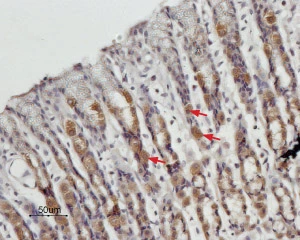
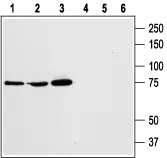
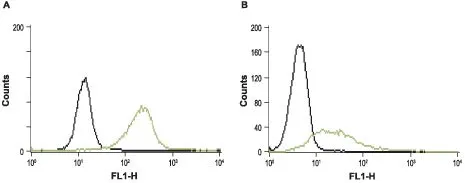
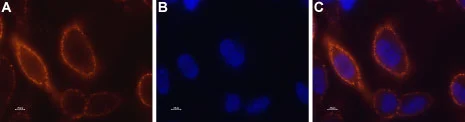
- Flow Cytometry, WB, IHC-P, IF, ICC, IP, IM
- Concentration:
- 0.45 mg/ml
- Physical State:
- Liquid
- Species Reactivity:
- Human
- Purification:
- Affinity Purified
- Storage Conditions:
- -20[o]C Aliquot. Avoid freeze/thaw cycles. Store undiluted., 2-8[o]C Aliquot. Avoid freeze/thaw cycles. Store undiluted., -20[o]C/-70[o]C Aliquot. Avoid freeze/thaw cycles. Store undiluted.
- Supplier:
- Genetex
- Host:
- Rabbit
- Reactivities:
- Human, Mouse, Rat
- Buffer:
- PBS, 1% BSA, 0.05% Sodium azide.
- Immunogen:
- Peptide CHSEDEKLSFEAVR, corresponding to amino acid residues 56-69 (STIM1 expressed on the plasma membrane: Extracellular, N-terminus st IM1 expressed on th e ER: Luminal, N-terminus) of human STIM1 (Accession : Q13586).
- Uniprot:
- Q13586
- Synonyms:
- D11S4896E;GOK;IMD10;STRMK;stromal interaction molecule 1;TAM;TAM1
- Extra Details:
- This gene encodes a type 1 transmembrane protein that mediates Ca2+ influx after depletion of intracellular Ca2+ stores by gating of store-operated Ca2+ influx channels (SOCs). It is one of several genes located in the imprinted gene domain of 11p15.5, an important tumor-suppressor gene region. Alterations in this region have been associated with the Beckwith-Wiedemann syndrome, Wilms tumor, rhabdomyosarcoma, adrenocrotical carcinoma, and lung, ovarian, and breast cancer. This gene may play a role in malignancies and disease that involve this region, as well as early hematopoiesis, by mediating attachment to stromal cells. Mutations in this gene are associated with fatal classic Kaposi sarcoma, immunodeficiency due to defects in store-operated calcium entry (SOCE) in fibroblasts, ectodermal dysplasia and tubular aggregate myopathy. This gene is oriented in a head-to-tail configuration with the ribonucleotide reductase 1 gene (RRM1), with the 3' end of this gene situated 1.6 kb from the 5' end of the RRM1 gene. Alternative splicing of this gene results in multiple transcript variants. [provided by RefSeq, May 2013]
- Shipping Conditions:
- Blue Ice