GTX34076
Midline-1 antibody

Cannot supply to this region.
- SKU:
- GTX34076
- Additional Names:
- BBBG1,FXY,GBBB1,MID1,MIDIN,OGS1,OS,OSX,RNF59,TRIM18,XPRF,ZNFXY,midline 1,Midline 1
- Application:
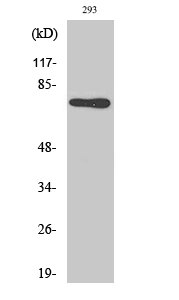
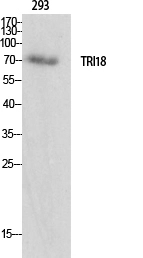
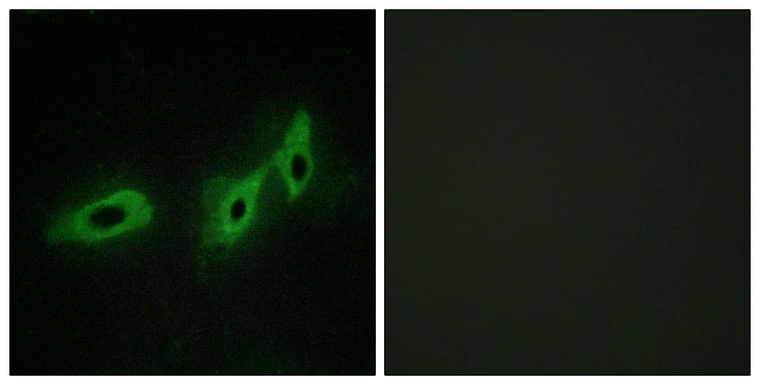
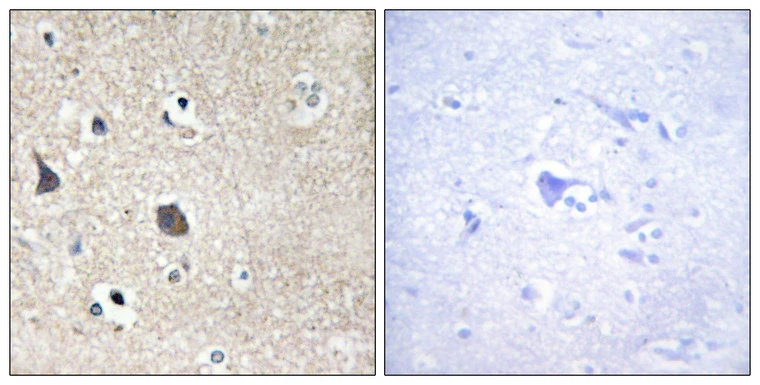
- WB, IHC-P, IF, ICC
- Concentration:
- 1 mg/ml
- Physical State:
- Liquid
- Species Reactivity:
- Human
- Purification:
- Affinity Purified
- Storage Conditions:
- -20[o]C Aliquot. Avoid freeze/thaw cycles. Store undiluted., 2-8[o]C Aliquot. Avoid freeze/thaw cycles. Store undiluted., -20[o]C/-70[o]C Aliquot. Avoid freeze/thaw cycles. Store undiluted.
- Supplier:
- Genetex
- Host:
- Rabbit
- Reactivities:
- Human
- Buffer:
- PBS, 0.5% BSA, 50% Glycerol, 0.02% Sodium azide.
- Immunogen:
- Synthesized peptide derived from human Midline-1 at 40-120 aa, N-terminal.
- Uniprot:
- O15344
- Synonyms:
- BBBG1;E3 ubiquitin-protein ligase Midline-1;FXY;GBBB1;MIDIN;midline 1 RING finger protein;OGS1;Opitz/BBB syndrome;OS;OSX;putative transcription factor XPRF;RING finger protein 59;RING finger protein Midline-1;RING-type E3 ubiquitin transferase Midline-1;RNF59;TRIM18;tripartite motif protein TRIM18;tripartite motif-containing protein 18;XPRF;zinc finger on X and Y, mouse, homolog of;ZNFXY
- Extra Details:
- The protein encoded by this gene is a member of the tripartite motif (TRIM) family, also known as the 'RING-B box-coiled coil' (RBCC) subgroup of RING finger proteins. The TRIM motif includes three zinc-binding domains, a RING, a B-box type 1 and a B-box type 2, and a coiled-coil region. This protein forms homodimers which associate with microtubules in the cytoplasm. The protein is likely involved in the formation of multiprotein structures acting as anchor points to microtubules. Mutations in this gene have been associated with the X-linked form of Opitz syndrome, which is characterized by midline abnormalities such as cleft lip, laryngeal cleft, heart defects, hypospadias, and agenesis of the corpus callosum. This gene was also the first example of a gene subject to X inactivation in human while escaping it in mouse. Alternative promoter use, alternative splicing and alternative polyadenylation result in multiple transcript variants that have different tissue specificities. [provided by RefSeq, Dec 2016]
- Shipping Conditions:
- Blue Ice