SPC-786
SFRP2 Antibody

Eine Lieferung in diese Region ist nicht möglich.
- SKU:
- SPC-786
- Zusätzliche Namen:
- SDF5, Secreted frizzled-related protein 2, FRP 2, UNQ361/PRO697, sFRP-2, FKSG12, SFRP2_HUMAN, MGC153618, Frizzled related protein 2, MGC53344, FRP2, FRP-2, SARP1, AI851596, SARP 1, MGC128911, SARP-1, Secreted apoptosis related protein 1, ORF Names:, Secreted apoptosis-related protein 1, SDF 5, Sfrp2 protein, sFRP 2, Secreted frizzled related protein 2
- Anwendung:
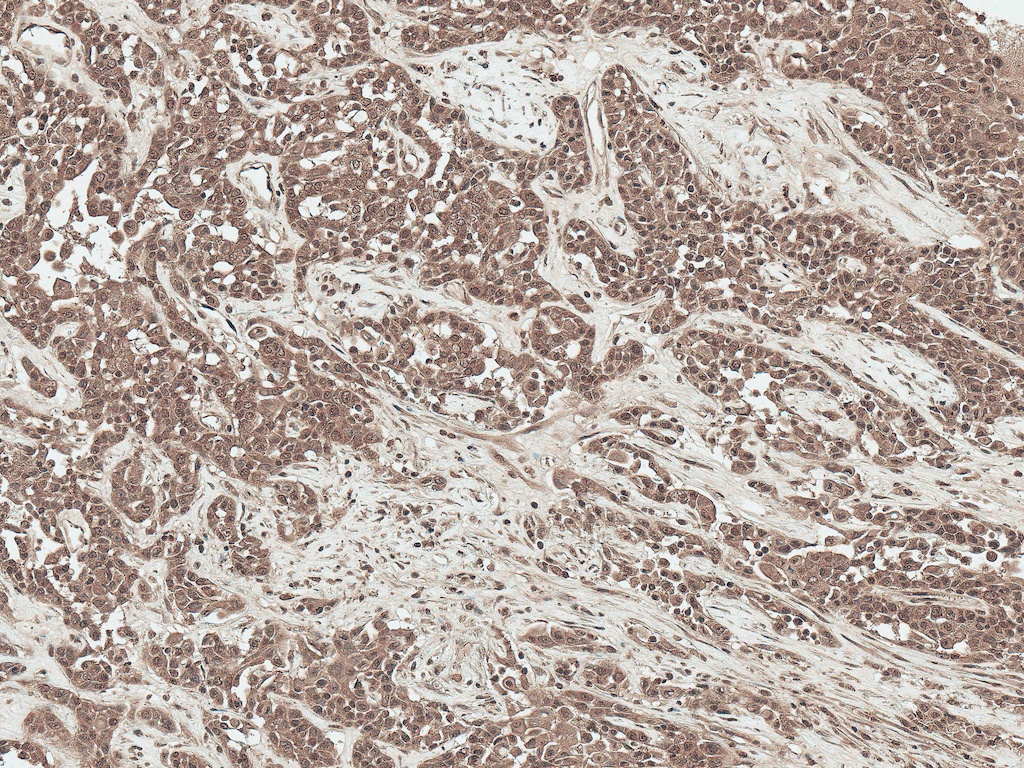
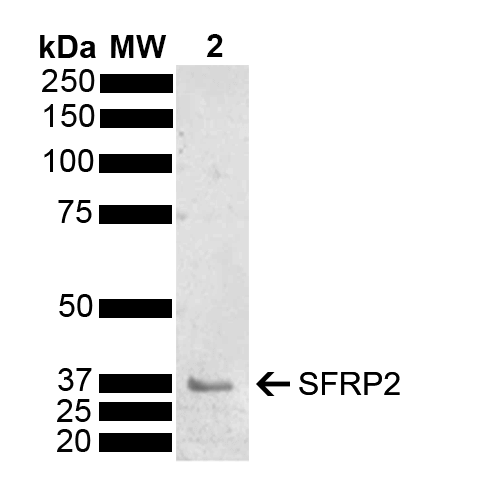
- IHC, WB
- Konzentration:
- 1 mg/ml
- Spezies-Reaktivität:
- Human
- Aufreinigung:
- Affinity Purified
- Lagerbedingungen:
- -20[o]C
- Hersteller:
- StressMarq Biosciences
- Host:
- Rabbit
- Reaktivitäten:
- Human, Mouse
- ABP:
- IMP-GEN-2015-06 < 10% Serum <100ml
- Buffer:
- PBS pH 7.4, 50% glycerol, 0.09% sodium azide
- Immunogen:
- Synthetic peptide from the C-terminal of Human Secreted frizzled-related protein 2 (aa. 195-295)
- Uniprot:
- Q96HF1
- Synonyme:
- FRP-2;SARP-1;SARP1;SDF-5;secreted apoptosis related protein 1;Secreted apoptosis-related protein 1;secreted frizzled-related protein 2;sFRP-2;testicular tissue protein Li 170
- Weitere Details:
- Secreted frizzled-related protein 2 (SFRP2) is a member of the SFRP family that modulates Wnt signaling-a pathway essential for neurodevelopment, synaptic plasticity, and tissue regeneration. While SFRP2 has been extensively studied in skeletal stem cell biology, emerging evidence suggests its relevance in the central nervous system, particularly in neurodegenerative disease contexts (1). SFRP2 can act as both a Wnt antagonist and agonist, depending on cellular context. In neural tissues, Wnt signaling governs processes such as neuronal differentiation, axonal guidance, and synaptic maintenance. Dysregulation of Wnt pathways has been implicated in Alzheimer's disease, Parkinson's disease, and multiple sclerosis. SFRP2's ability to fine-tune Wnt activity positions it as a potential regulator of neuroinflammation and neurogenesis. Recent studies show that SFRP2 deficiency impairs stem cell recruitment and differentiation, suggesting that it may influence neural stem cell function and brain repair mechanisms (1). Its role in modulating LRP6 activation and downstream Wnt target genes such as Axin2 and Cyclin D1 further supports its involvement in maintaining cellular homeostasis under stress or injury. Given its dual regulatory capacity and influence on regenerative signaling, SFRP2 is a promising candidate for therapeutic exploration in neurodegenerative disease. Enhancing SFRP2 activity may promote neural resilience and repair, offering new avenues for intervention in aging and neurodegeneration.
- Versandbedingungen:
- Blue Ice