SPC-699
IGF-1 Antibody

Eine Lieferung in diese Region ist nicht möglich.
- SKU:
- SPC-699
- Zusätzliche Namen:
- IGF1, IGF-1, IGF-I, IGFI, IGF IA, IGF IB, IGF1A, IGFIA, IGF I, IGF 1, Insulin-like growth factor I, Insulin-like growth factor 1, Insulin like growth factor 1, Insulin like growth factor IA, Insulin like growth factor IB, Somatomedin C, Somatomedin-C, Somatomedia C, Mechano growth factor, MGF, IGF1_HUMAN, OTTHUMP00000195083, IBP1
- Anwendung:
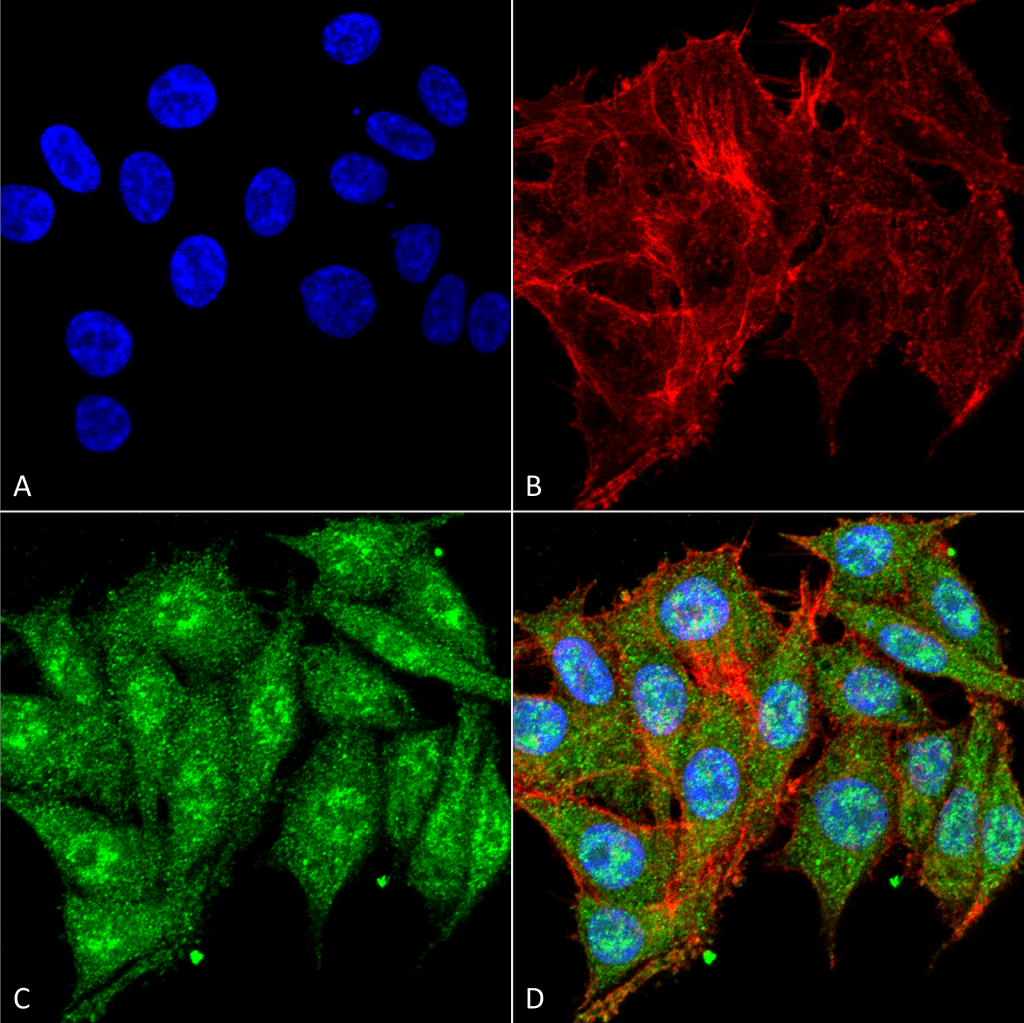
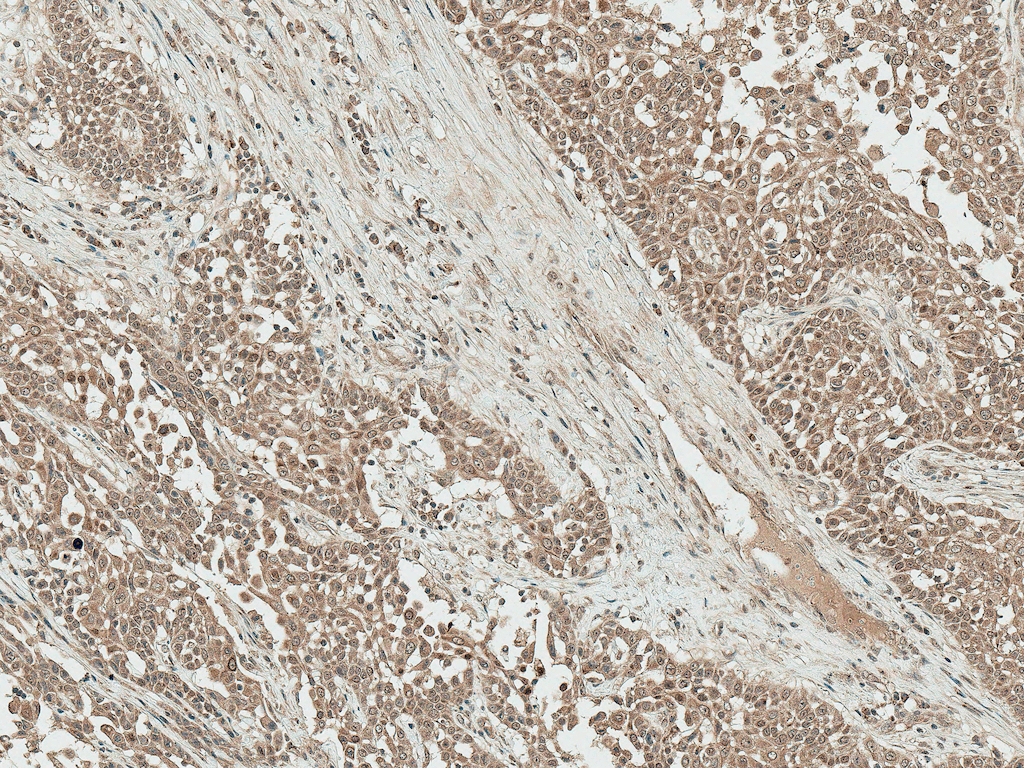
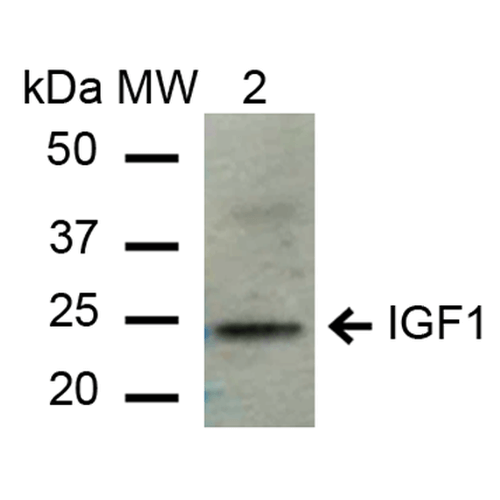
- IHC, WB, IF, ICC
- Konzentration:
- 1 mg/ml
- Spezies-Reaktivität:
- Human
- Aufreinigung:
- Affinity Purified
- Lagerbedingungen:
- -20[o]C
- Hersteller:
- StressMarq Biosciences
- Host:
- Rabbit
- Reaktivitäten:
- Human, Mouse
- ABP:
- IMP-GEN-2015-06 < 10% Serum <100ml
- Buffer:
- PBS, 50% glycerol, 0.09% sodium azide
- Immunogen:
- Synthetic peptide from the mid-protein of Human IGF-1
- Uniprot:
- P05019
- Synonyme:
- IGF;IGF-I;IGFI;insulin-like growth factor 1 (somatomedin C);insulin-like growth factor I;insulin-like growth factor IB;mechano growth factor;MGF;somatomedin-C
- Weitere Details:
- Insulin-like Growth Factor 1 (IGF-1) is a peptide hormone structurally similar to insulin, playing a critical role in brain development, neuronal survival, and synaptic plasticity. Widely expressed in the central nervous system, IGF-1 exerts its effects through the IGF-1 receptor (IGF1R), activating downstream signaling pathways such as PI3K/Akt and MAPK/ERK-key regulators of cell growth, metabolism, and apoptosis. In neurodegenerative disease research, IGF-1 has emerged as a potent neuroprotective factor. It promotes neuronal survival by inhibiting apoptosis, enhancing mitochondrial function, and reducing oxidative stress. IGF-1 also supports neurogenesis and myelination, processes that are often impaired in disorders such as Alzheimer's disease, Parkinson's disease, amyotrophic lateral sclerosis (ALS), and Huntington's disease. Reduced IGF-1 signaling has been associated with cognitive decline and increased vulnerability to neurodegeneration. Conversely, therapeutic delivery of IGF-1-via systemic administration, gene therapy, or intranasal routes-has shown promise in preclinical models by improving cognitive function, reducing protein aggregation, and restoring synaptic integrity. Given its multifaceted role in neural maintenance and repair, IGF-1 is a key target in the development of disease-modifying therapies for neurodegenerative conditions. Ongoing research continues to explore its potential in both early intervention and disease progression management.
- Versandbedingungen:
- Blue Ice