SPC-620
GABARAP Antibody

Eine Lieferung in diese Region ist nicht möglich.
- SKU:
- SPC-620
- Zusätzliche Namen:
- GABARAP, Gamma-aminobutyric acid receptor-associated protein, ATG8A, GABARAP A, MM46, GBRAP_HUMAN, FLC3B, HT004
- Anwendung:
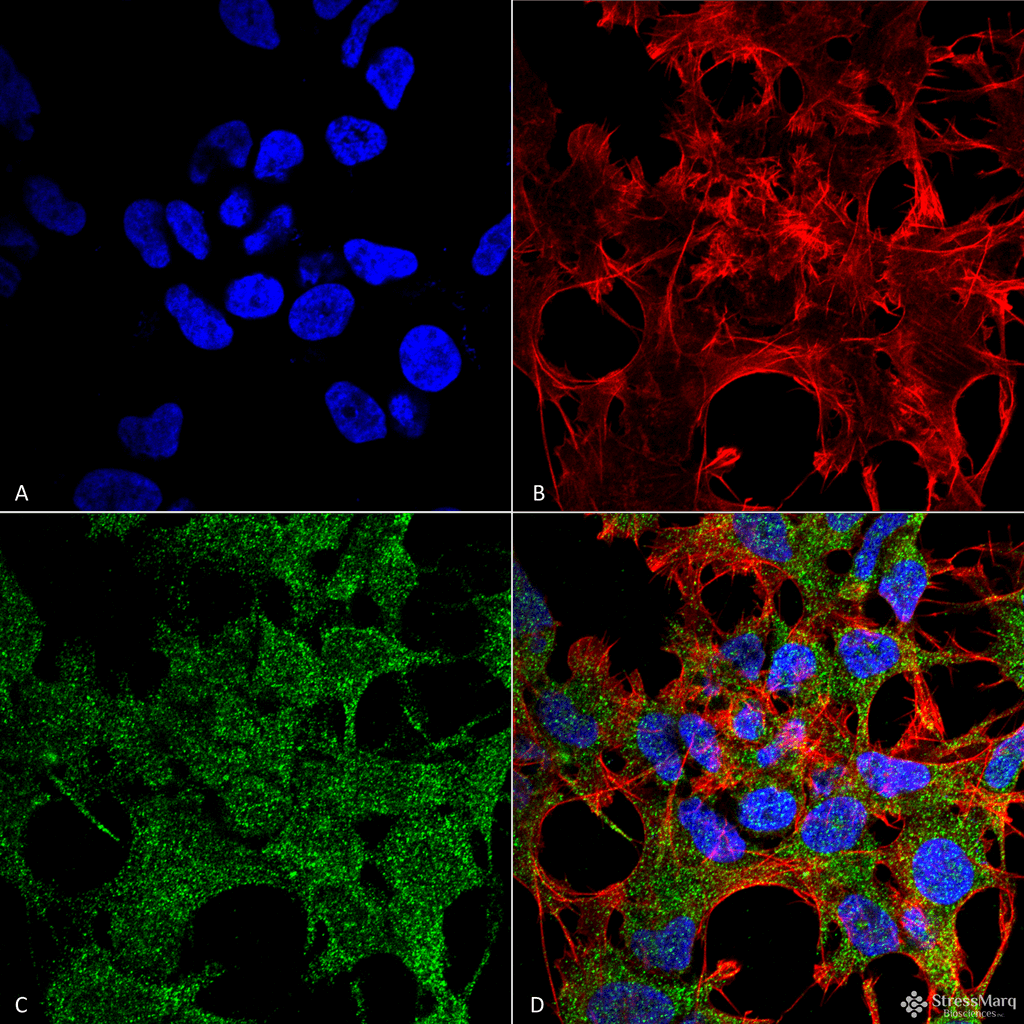
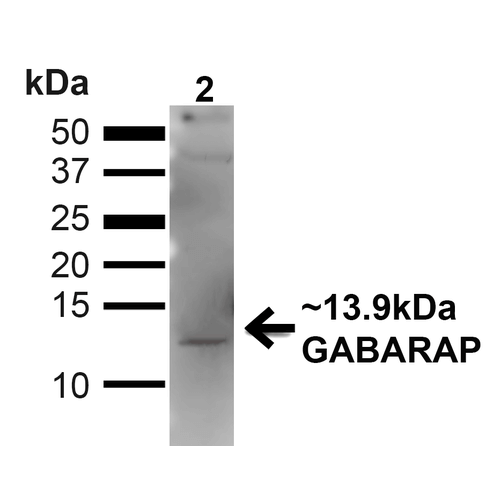
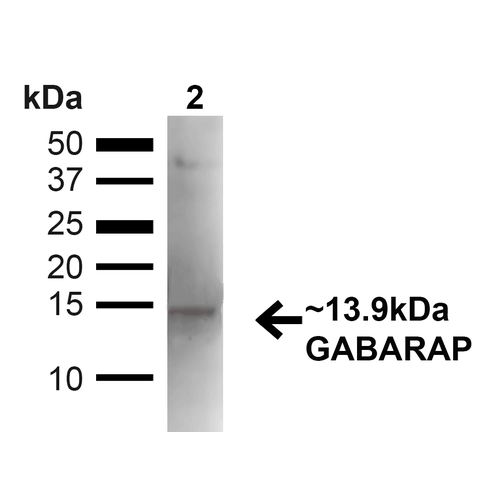
- WB, IF, ICC
- Konzentration:
- 1 mg/ml
- Spezies-Reaktivität:
- Human
- Aufreinigung:
- Affinity Purified
- Lagerbedingungen:
- -20[o]C
- Hersteller:
- StressMarq Biosciences
- Host:
- Rabbit
- Reaktivitäten:
- Human, Mouse
- ABP:
- IMP-GEN-2015-06 < 10% Serum <100ml
- Buffer:
- PBS, 50% glycerol, 0.09% sodium azide
- Immunogen:
- Synthetic peptide from the N-terminal of human GABARAP
- Uniprot:
- O95166
- Synonyme:
- ATG8A;epididymis secretory sperm binding protein;GABA(A) receptor-associated protein;GABARAP-a;gamma-aminobutyric acid receptor-associated protein;MM46
- Weitere Details:
- Gamma-aminobutyric acid receptor-associated protein (GABARAP) is a multifunctional protein originally identified for its role in clustering and trafficking GABA-A receptors, the primary mediators of fast inhibitory neurotransmission in the brain. By anchoring these ligand-gated chloride channels to the cytoskeleton, GABARAP ensures proper receptor localization at synaptic membranes, thereby maintaining inhibitory synaptic strength and neuronal network stability. Beyond its role in receptor trafficking, GABARAP is now recognized as a critical component of the autophagy machinery. It belongs to the Atg8 family of proteins and participates in autophagosome formation, cargo recognition, and lysosomal degradation-processes essential for cellular homeostasis and neuroprotection. Dysregulation of GABARAP has been implicated in several neurodegenerative diseases, including Alzheimer's, Parkinson's, and Huntington's disease. Impaired GABARAP-mediated autophagy may lead to the accumulation of toxic protein aggregates and dysfunctional organelles, contributing to neuronal death and disease progression. Additionally, altered GABA-A receptor trafficking due to GABARAP dysfunction can disrupt inhibitory signaling, further exacerbating excitotoxicity and synaptic imbalance. Given its dual role in synaptic regulation and autophagy, GABARAP is emerging as a promising molecular target in neurodegeneration research. Understanding its mechanisms may offer new therapeutic strategies for restoring cellular homeostasis and preserving neural function in aging and disease.
- Versandbedingungen:
- Blue Ice