SPC-181
HSP22 Antibody

Eine Lieferung in diese Region ist nicht möglich.
- SKU:
- SPC-181
- Zusätzliche Namen:
- HSPB8, HSP22, Heat shock protein beta-8, Alpha-crystallin C chain, E2-induced gene 1 protein, Protein kinase H11, Small stress protein-like protein, Heat shock protein family B member 8, CRYAC, E2IG1, CMT2L, DHMN2, H11, Heat shock 22kDa protein 8, HMN2, HSB8
- Anwendung:
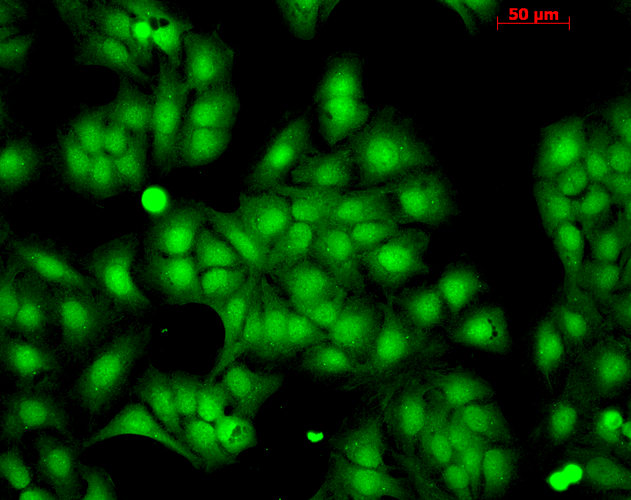
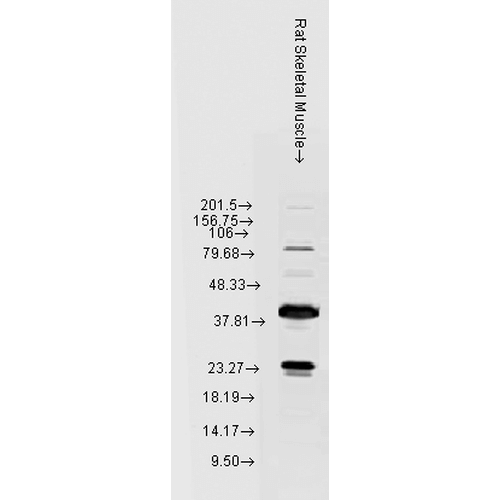
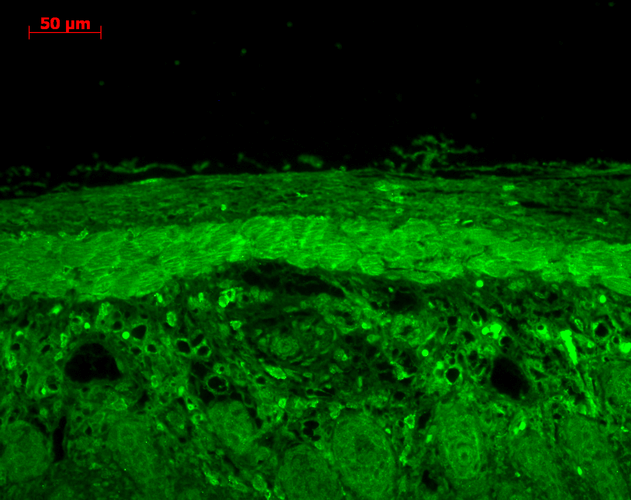
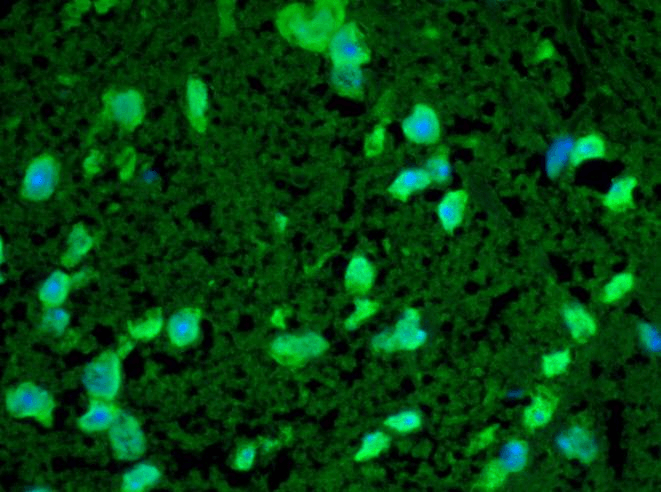
- IHC, WB, IF, ICC, IP
- Konzentration:
- 1 mg/ml
- Spezies-Reaktivität:
- Human
- Aufreinigung:
- Affinity Purified
- Lagerbedingungen:
- -20[o]C
- Hersteller:
- StressMarq Biosciences
- Host:
- Rabbit
- Reaktivitäten:
- Human, Mouse, Rat
- ABP:
- IMP-GEN-2015-06 < 10% Serum <100ml
- Buffer:
- PBS pH7.4, 50% glycerol, 0.09% sodium azide
- Immunogen:
- Human HSP22
- Uniprot:
- Q9UJY1
- Synonyme:
- alpha-crystallin C chain;CMT2L;DHMN2;E2-induced gene 1 protein;E2IG1;H11;heat shock 22kDa protein 8;heat shock 27kDa protein 8;heat shock protein beta-8;HMN2;HMN2A;HSP22;protein kinase H11;small stress protein-like protein HSP22
- Weitere Details:
- HSP22, also known as HSPB8, is a 196-amino acid member of the small heat shock protein (sHSP) superfamily, closely related to HSP27. While predominantly expressed in skeletal muscle, heart, and placenta, HSP22 is increasingly recognized for its critical role in neuronal health and neurodegenerative disease. Functioning as a monomer, HSP22 exhibits temperature-dependent chaperone activity and interacts with other sHSPs, including HSPB1 (HSP27). It preferentially binds phosphorylated forms of HSP27, suggesting a role in stress-adaptive signaling. HSP22 contains distinct N- and C-terminal domains that mediate interactions with various protein partners, enabling it to participate in essential cellular processes such as protein quality control, apoptosis, and macroautophagy. Importantly, HSP22 has emerged as a key player in neurodegenerative disease mechanisms. Mutations in the HSPB8 gene are linked to inherited peripheral neuropathies, including distal hereditary motor neuropathy type IIA (dHMNIIA) and Charcot-Marie-Tooth disease type 2L (CMT2L). These disorders are characterized by axonal degeneration and impaired motor function, underscoring HSP22's role in maintaining neuronal integrity. By promoting the clearance of misfolded proteins and supporting autophagic pathways, HSP22 contributes to cellular resilience in the face of proteotoxic stress-a hallmark of neurodegenerative conditions such as ALS and Alzheimer's disease. Its dual role in chaperone activity and neuroprotection positions HSP22 as a promising target for therapeutic intervention in neuroscience.
- Versandbedingungen:
- Blue Ice