SPC-116
SOD1 (Cu/Zn) Antibody

Eine Lieferung in diese Region ist nicht möglich.
- SKU:
- SPC-116
- Zusätzliche Namen:
- Superoxide dismutase [Cu-Zn], Cu/Zn superoxide dismutase, SOD1, ALS1, SODC_HUMAN, Superoxide dismutase1, IPOA, SODC
- Anwendung:
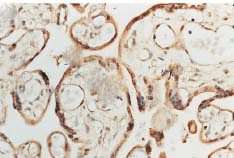
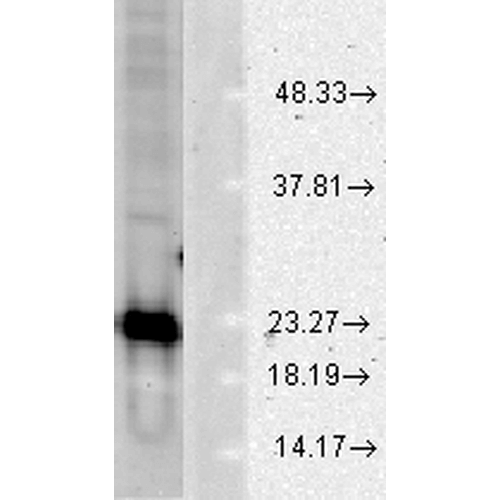
- ELISA, IHC, WB, IP
- Konzentration:
- 1 mg/ml
- Spezies-Reaktivität:
- Human
- Aufreinigung:
- Protein A Purified
- Lagerbedingungen:
- -20[o]C
- Hersteller:
- StressMarq Biosciences
- Host:
- Rabbit
- Reaktivitäten:
- Bovine, Canine, Fish, Hamster, Human, Mouse, Porcine, Rabbit, Rat, Ovine
- ABP:
- IMP-GEN-2015-06 < 10% Serum <100ml
- Buffer:
- PBS pH7.0, 50% glycerol, 0.09% sodium azide
- Immunogen:
- Synthetic Human Cu/Zn SOD Peptide
- Uniprot:
- P00441
- Synonyme:
- ALS;ALS1;Cu/Zn superoxide dismutase;epididymis secretory protein Li 44;HEL-S-44;homodimer;hSod1;indophenoloxidase A;IPOA;SOD;SOD, soluble;STAHP;superoxide dismutase [Cu-Zn];Superoxide dismutase 1;superoxide dismutase 1, soluble;superoxide dismutase, cystolic
- Weitere Details:
- Superoxide dismutase 1 (SOD1) is a copper- and zinc-dependent antioxidant enzyme that plays a vital role in cellular defense against oxidative stress. Present in nearly all mammalian cells, SOD1 catalyzes the dismutation of superoxide radicals (O₂-) into hydrogen peroxide (H₂O₂) and molecular oxygen (O₂). These reactive oxygen species are subsequently detoxified by catalase and glutathione peroxidase, maintaining redox balance and protecting cells from oxidative damage. SOD1 functions as a 32 kDa homodimer, with each 16 kDa subunit stabilized by an intra-subunit disulfide bridge and a conserved B Beta-barrel structure. It is primarily localized in the cytoplasm but also found in the nucleus and mitochondrial intermembrane space. Its structural integrity and metal-binding capacity are essential for enzymatic activity and cellular protection. In neuroscience and neurodegenerative disease research, SOD1 has gained prominence due to its association with amyotrophic lateral sclerosis (ALS). Mutations in the SOD1 gene can lead to protein misfolding, aggregation, and toxic gain-of-function effects, contributing to motor neuron degeneration. These pathological forms of SOD1 are key biomarkers and therapeutic targets in ALS and related disorders. Understanding the structure-function relationship of SOD1, particularly its metal coordination and dimerization, is critical for developing targeted interventions in oxidative stress-related neurodegeneration.
- Versandbedingungen:
- Blue Ice