

SMC-439D-APC
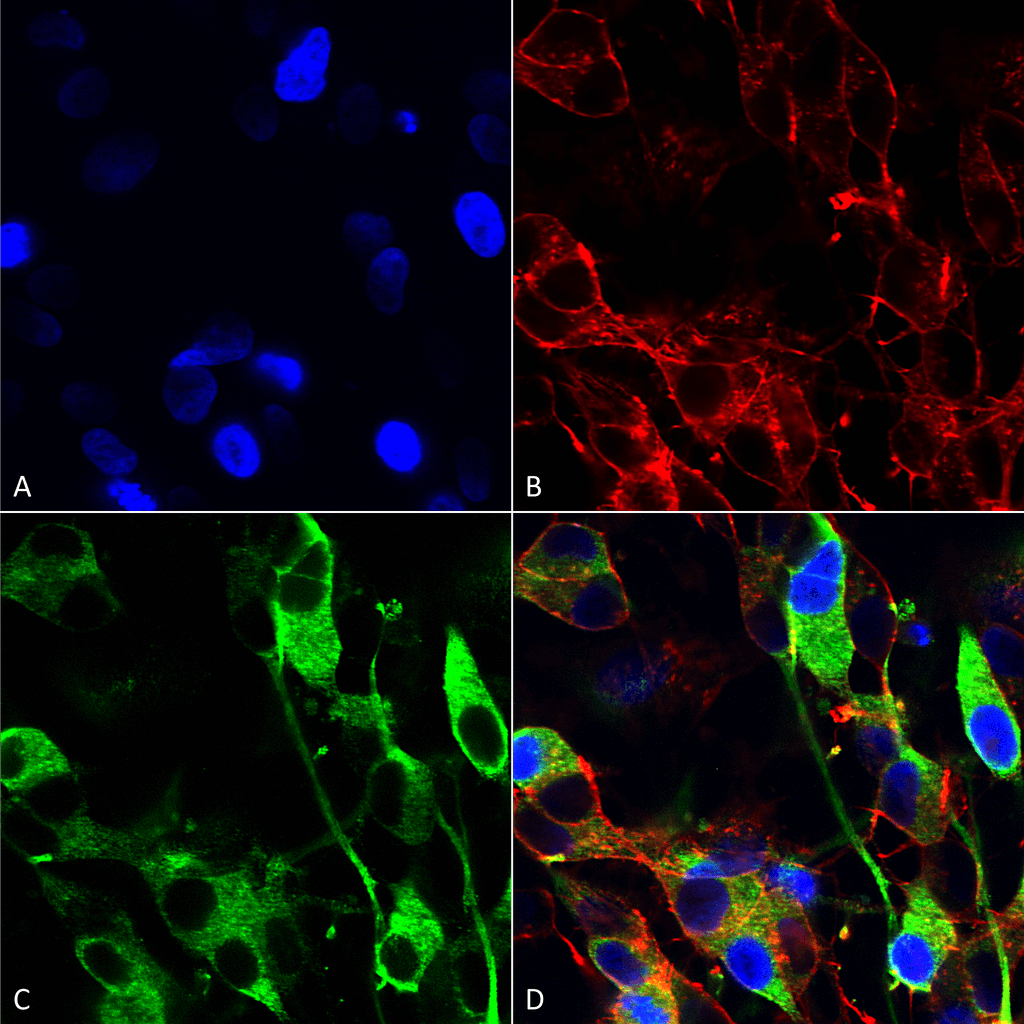
Versican Antibody, Clone N351/23: APC

Eine Lieferung in diese Region ist nicht möglich.
- SKU:
- SMC-439D-APC
- Zusätzliche Namen:
- Versican, CSPG2, VCAN, PG-M, PGM, PG-M proteoglycan, Chondroitin sulfate proteoglycan 2, Chondroitin sulfate proteoglycan core protein 2, Large aggregating proteoglycan, Large fibroblast proteoglycan, Glial hyaluronate-binding protein, Glial hyaluronate binding protein, GHAP, ERVR, Versican core protein, Versican proteoglycan, Versican V0, Versican V1, Versican V2, Versican V3, Versican V4, V1 Neo, WGN, WGN
- Anwendung:
- WB, IF, ICC
- Konzentration:
- 1 mg/ml
- Spezies-Reaktivität:
- Mouse
- Aufreinigung:
- Protein G Purified
- Lagerbedingungen:
- See Manual
- Hersteller:
- StressMarq Biosciences
- Host:
- Mouse
- Reaktivitäten:
- Human, Mouse, Rat
- ABP:
- IMP-GEN-2015-06 < 10% Serum <100ml
- Buffer:
- 95.46mM Phosphate, 2.48mM MES and 2mM EDTA
- Immunogen:
- Fusion protein amino acids 362-585 (glycosaminoglycan alpha domain) of mouse Versican core protein
- Klon:
- N351/23 (Formerly sold as S351-23)
- Uniprot:
- Q62059
- Synonyme:
- 5430420N07Rik;9430051N09;chondroitin sulfate proteoglycan core protein 2;Csp;Cspg2;DPE;DPEAAE;hdf;large fibroblast proteoglycan;NG2;PG-;PG-M;PG-M core protein;PG-M(V0);PG-M(V1);versican core protein
- Weitere Details:
- Versican (chondroitin sulfate proteoglycan 2, or CSPG2) is a large extracellular matrix (ECM) proteoglycan that plays a pivotal role in neural development, plasticity, and disease. As a key structural component of the brain's ECM, Versican contributes to the formation of hydrated, viscoelastic matrices that regulate cell proliferation, migration, and differentiation. Its modular structure-featuring hyaluronic acid- and glycosaminoglycan-binding domains, EGF-like repeats, a lectin-like sequence, and a complement regulatory protein-like domain-enables dynamic interactions with neural cells and signaling molecules. Alternative splicing of the VCAN gene produces isoforms with distinct glycosaminoglycan modifications, influencing tissue-specific functions and pathological outcomes. In the central nervous system (CNS), Versican is increasingly recognized for its role in modulating neuroinflammation, glial scar formation, and synaptic remodeling-processes central to neurodegenerative diseases such as Alzheimer's, Parkinson's, and multiple sclerosis. Versican-rich pericellular matrices, often co-localized with hyaluronan, can alter cell adhesion and morphology, facilitating neural cell motility and mitosis. These properties are critical in both developmental neurobiology and the maladaptive responses seen in CNS injury and degeneration. Emerging evidence also links Versican dysregulation to impaired neural repair and chronic inflammation, positioning it as a potential biomarker and therapeutic target in neurodegenerative disease research.
- Versandbedingungen:
- Blue Ice