SMC-319
TRPV3 Antibody, Clone N15/4

Eine Lieferung in diese Region ist nicht möglich.
- SKU:
- SMC-319
- Zusätzliche Namen:
- 1110036I10Rik, MGC124324, MGC124325, Transient receptor potential cation channel subfamily V member 3, TrpV3, Trpv3 heat sensitive channel, TRPV3_HUMAN, Vanilloid receptor 3, Vanilloid receptor like 3, Vanilloid receptor-like 3, vanilloid receptor-related osmotically activated channel protein, VRL 3, VRL-3, VRL3, vanilloid receptor 2, sensitive channel TRPV3
- Anwendung:
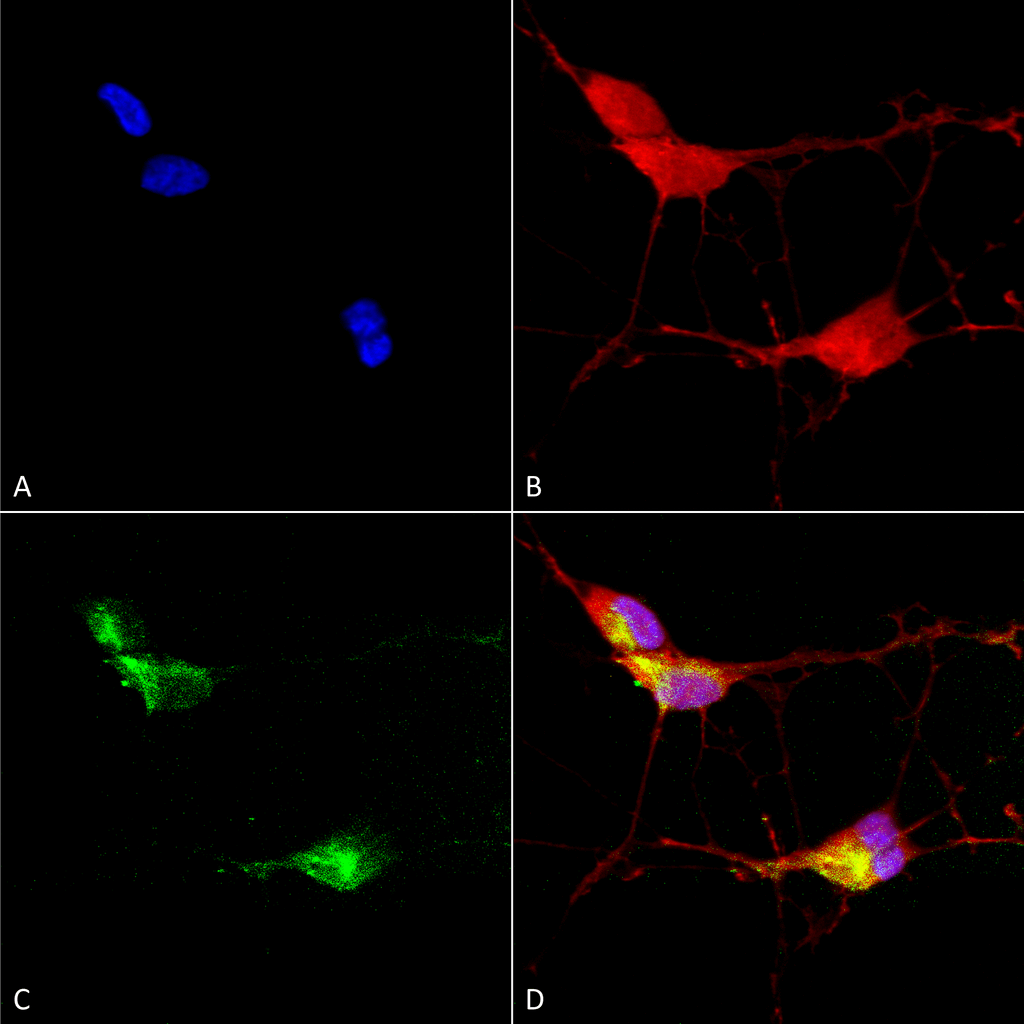
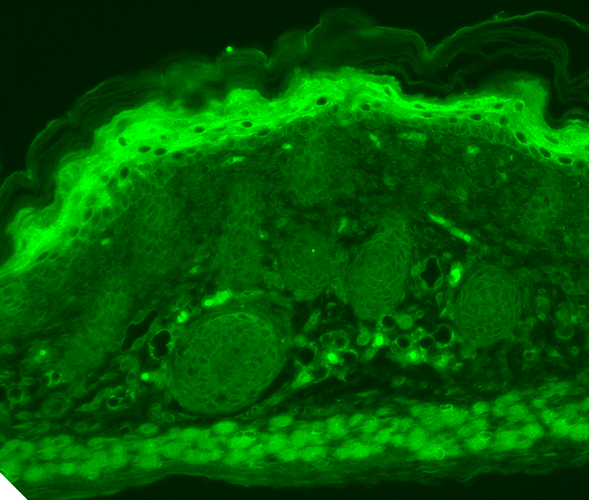
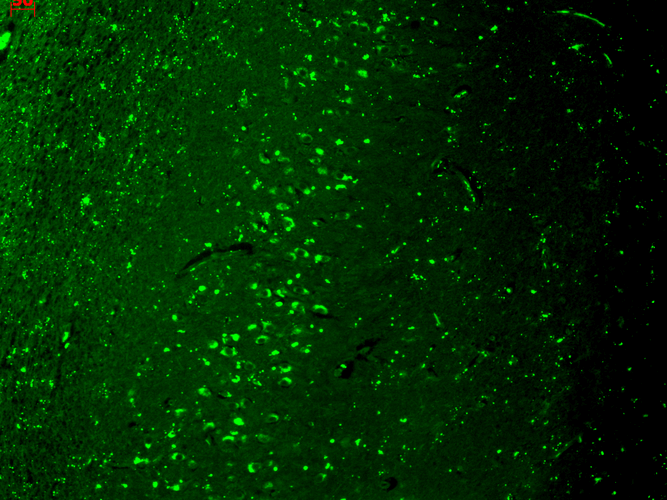
- IHC, WB, IF, ICC, IP, Microarray
- Konzentration:
- 1 mg/ml
- Spezies-Reaktivität:
- Rat
- Aufreinigung:
- Protein G Purified
- Lagerbedingungen:
- -20[o]C
- Hersteller:
- StressMarq Biosciences
- Host:
- Mouse
- Reaktivitäten:
- Human, Mouse, Rat
- ABP:
- IMP-GEN-2015-06 < 10% Serum <100ml
- Buffer:
- PBS pH7.4, 50% glycerol, 0.09% sodium azide
- Immunogen:
- Synthetic peptide amino acids 774-791 (C-terminus) of rat TrpV3
- Klon:
- N15/4 (Formerly sold as S15-4)
- Uniprot:
- Q4QYD9
- Synonyme:
- heat sensitive channel TRPV3;transient receptor potential cation channel subfamily V member 3
- Weitere Details:
- Transient Receptor Potential Vanilloid 3 (TRPV3) is a non-selective cation channel belonging to the thermosensitive TRP channel family, which plays a critical role in sensory physiology and cellular signaling. Activated by warm temperatures ranging from 22°C to 40°C, TRPV3 is predominantly expressed in keratinocytes and subsets of sensory neurons that innervate the skin. It contributes to temperature sensation, skin barrier function, and vasoregulation. Located on chromosome 17 near the TRPV1 gene, TRPV3 can form heteromeric complexes with other TRP channels, potentially modulating its biophysical properties and expanding its functional repertoire. While traditionally studied in the context of peripheral sensory biology, TRPV3 is increasingly recognized for its relevance in the central nervous system. Emerging evidence suggests that TRPV3 may influence neuroinflammatory pathways, glial activation, and neuronal excitability-processes intimately linked to the pathogenesis of neurodegenerative diseases such as Alzheimer's and Parkinson's. Aberrant TRPV3 activity has been associated with altered calcium homeostasis and oxidative stress, both of which are key contributors to neuronal dysfunction and degeneration. As a modulator of both peripheral and central signaling, TRPV3 represents a promising target for therapeutic intervention in neurodegenerative disorders. Ongoing research into its expression patterns, regulatory mechanisms, and interaction networks is shedding new light on its potential role in maintaining neuronal health and resilience.
- Versandbedingungen:
- Blue Ice